How AI Evaluates Expertise, Authority, and Trust Signals
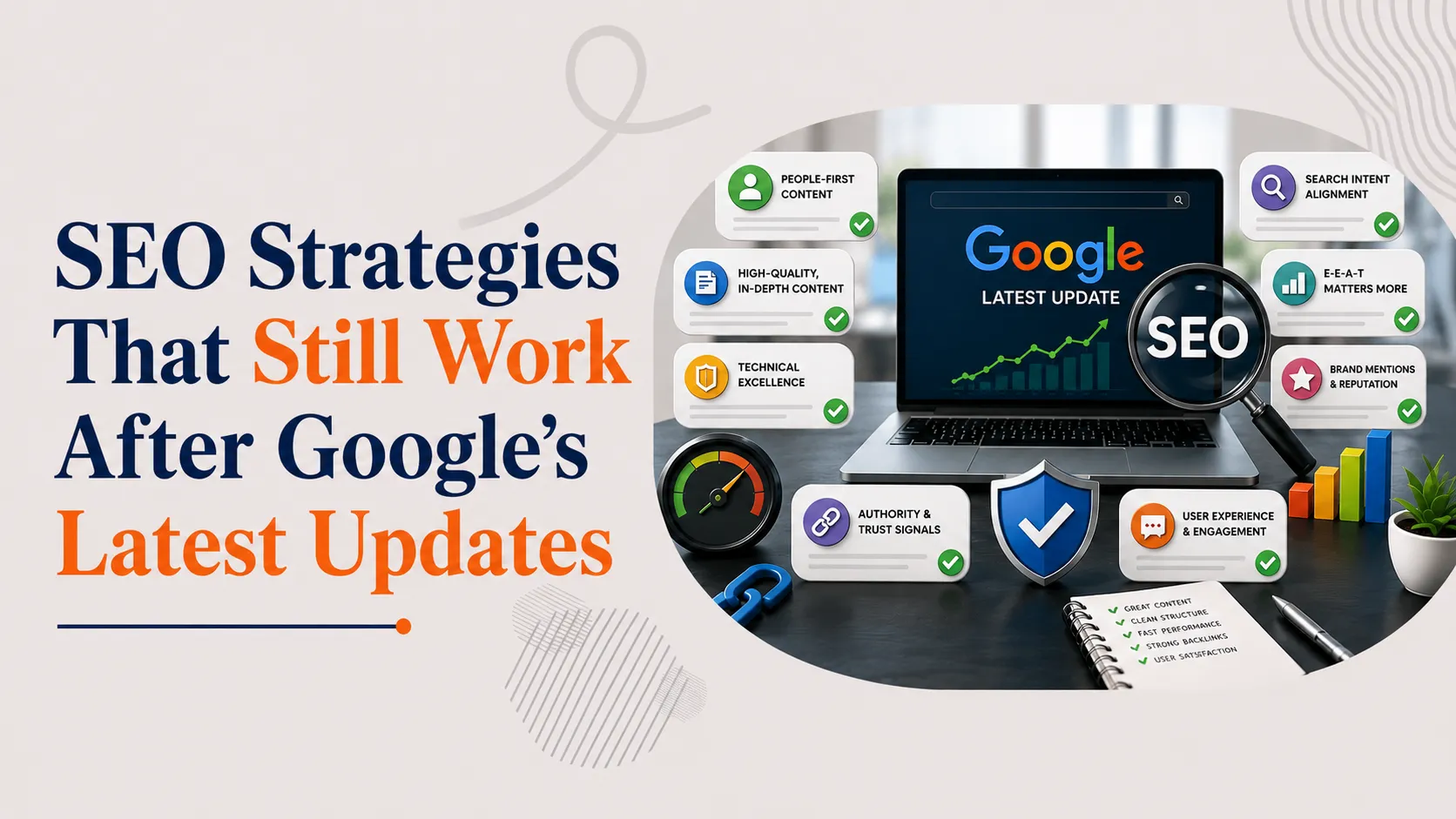
Artificial intelligence is transforming how search engines rank websites and evaluate content quality. Traditional SEO once relied heavily on keyword density, backlinks, and basic on-page optimization. Today, AI-powered search systems are much more advanced and capable of understanding context, intent, credibility, and user satisfaction.Modern search engines increasingly focus on identifying trustworthy and authoritative content that genuinely helps users.This shift has made expertise, authority, and trust signals critical ranking factors in AI SEO.Search engines now use advanced technologies such as:Machine learningNatural Language Processing (NLP)Semantic analysisEntity recognitionBehavioral analysisto determine whether content deserves visibility in search results.As AI systems become smarter, websites can no longer rely on basic optimization alone. Businesses must demonstrate:Real expertiseTopical authorityTrustworthinessHigh-quality user experiencesAccurate and reliable informationIn this article, we’ll explore how AI evaluates expertise, authority, and trust signals in modern SEO and how businesses can improve these signals for long-term search success.Why Expertise, Authority, and Trust Matter in AI SEOSearch engines want to provide users with:Accurate informationHelpful contentReliable recommendationsSafe browsing experiencesAI-powered algorithms are designed to reduce:Spam contentMisinformationThin AI-generated articlesManipulative SEO tacticsTo accomplish this, search engines evaluate whether websites demonstrate:ExpertiseAuthoritativenessTrustworthinessThese principles are often connected to Google’s EEAT framework:ExperienceExpertiseAuthoritativenessTrustworthinessAI systems increasingly rely on these signals to rank content effectively.Evolution of Search Engine EvaluationTraditional search engines mainly analyzed:Exact keywordsMeta tagsLink countsBasic content relevanceModern AI search engines analyze:Semantic meaningUser behaviorTopic relationshipsContextual relevanceSearch intent satisfactionContent credibilityThis evolution allows search systems to better evaluate content quality and trustworthiness.Role of Artificial Intelligence in Search RankingArtificial intelligence helps search engines:Interpret human languageUnderstand contextAnalyze content depthEvaluate expertise signalsPredict user satisfactionAI continuously learns from:Search patternsUser engagementClick behaviorContent interactionsSatisfaction signalsThis allows search engines to improve ranking quality over time.Understanding Expertise in AI SEOExpertise refers to the depth of knowledge demonstrated within content.AI systems analyze expertise by evaluating:Topic depthContent comprehensivenessSemantic relevanceAccuracyContextual understandingExpert content typically:Explains concepts clearlyCovers topics thoroughlyProvides valuable insightsUses accurate terminologyDemonstrates practical understandingSearch engines increasingly recognize content created by knowledgeable sources.How AI Detects ExpertiseAI-powered search systems use semantic analysis to evaluate expertise.These systems analyze:Related conceptsEntity relationshipsTopic coverageIndustry terminologyContextual relevanceFor example, an article about AI SEO may naturally include:semantic searchNLPmachine learningRankBrainsearch intentcontent optimizationComprehensive topical coverage signals expertise.Importance of Topical AuthorityTopical authority refers to how deeply a website covers a subject area.Search engines prefer websites that:Publish consistent contentCover related subtopicsBuild semantic content ecosystemsDemonstrate long-term expertiseFor example, a website about AI SEO may include:AI SEO auditssemantic SEOzero-click searchesAI content optimizationsearch intent mappinginternal linking strategiesThis interconnected structure strengthens authority signals.Topic Clusters and AI EvaluationTopic clusters help AI systems understand content relationships.A topic cluster typically includes:One pillar pageMultiple supporting articlesSemantic internal linksClusters improve:CrawlabilityContextual understandingSemantic relevanceTopical authoritySearch engines use these relationships to evaluate expertise more effectively.Natural Language Processing and Expertise AnalysisNatural Language Processing allows AI systems to interpret:Sentence meaningConversational languageSemantic relationshipsContextual intentNLP helps search engines distinguish between:Generic shallow contentExpert-level comprehensive contentWell-structured and semantically rich content performs better in AI-driven search environments.Understanding Authority SignalsAuthority reflects how respected and recognized a website or brand is within its industry.AI systems analyze authority using multiple signals.These may include:Backlinks from trusted websitesBrand mentionsIndustry reputationContent qualityUser engagementSemantic consistencyAuthority helps search engines determine which sources are most reliable.Backlinks and Authority EvaluationBacklinks remain important because they act as trust signals.However, AI systems now prioritize:Link qualityRelevanceContextual relationshipsNatural linking patternsA few high-quality backlinks are often more valuable than hundreds of low-quality links.AI systems can detect manipulative linking tactics more effectively than older algorithms.Brand Recognition and AI SEOStrong brands often receive:Higher click-through ratesMore engagementGreater trustIncreased mentions across the webSearch engines recognize brand authority through:Online reputationConsistent visibilityUser behaviorEntity recognitionBrand trust strengthens ranking potential significantly.Entity Recognition and AuthorityModern search engines use entity recognition to understand:PeopleBrandsOrganizationsTechnologiesConceptsEntities help AI systems interpret relationships between topics and trusted sources.For example:GoogleChatGPTOpenAIsemantic SEORankBrainThese entities contribute to contextual understanding and authority analysis.Understanding Trust Signals in AI SEOTrustworthiness is one of the most important ranking factors.AI systems evaluate trust signals to determine whether users can rely on a website safely.Trust signals may include:HTTPS securityAccurate informationClear authorshipTransparencyPositive user experiencesReliable reputationWithout trust, websites struggle to maintain strong rankings.User Experience and Trust EvaluationSearch engines increasingly analyze user behavior signals such as:Bounce rateDwell timeEngagementPage speedMobile usabilityPoor user experiences may indicate low-quality or untrustworthy content.Websites should prioritize:Fast loading speedsClear navigationReadable formattingMobile optimizationAccessibilityGood user experiences strengthen trust signals.Accuracy and Fact VerificationAI search systems increasingly prioritize accurate information.Websites should:Update outdated contentVerify facts carefullyAvoid misinformationProvide reliable sourcesAccurate information improves long-term trustworthiness.AI-Generated Content and Trust ChallengesAI-generated content has become widespread, creating challenges for search engines.Low-quality AI content often:Repeats generic informationLacks originalityMisses contextual depthProvides weak insightsSearch engines increasingly evaluate whether content includes:Human expertiseOriginal insightsEditorial oversightPractical valueAI-generated content should always be reviewed and improved by humans.Search Intent and Trustworthy ContentAI systems analyze whether content satisfies user intent effectively.Intent categories include:InformationalTransactionalNavigationalCommercial investigationContent aligned with user expectations typically:Generates better engagementReduces bounce ratesImproves satisfaction signalsIntent optimization strengthens trust and relevance.Semantic SEO and Trust BuildingSemantic SEO focuses on:ContextMeaningTopic relationshipsUser intentEntity optimizationWebsites that comprehensively cover topics demonstrate:Stronger expertiseBetter authorityGreater trustworthinessSemantic content ecosystems help search engines interpret credibility more accurately.Internal Linking and AI EvaluationInternal linking strengthens semantic relationships across a website.Effective internal linking:Improves crawlabilityConnects related topicsDistributes authorityEnhances user navigationStrong semantic linking helps AI systems understand expertise and contextual relevance.Structured Data and Trust SignalsStructured data helps search engines interpret website information more effectively.Schema markup can identify:AuthorsOrganizationsReviewsProductsFAQsStructured data improves search engine understanding and credibility analysis.AI Tools and Trust Signal OptimizationAI-powered SEO tools help businesses:Analyze semantic relevanceMonitor content qualityIdentify authority gapsOptimize internal linkingImprove topical coverageMany businesses work with a Professional AI SEO Consultant to develop scalable SEO strategies that strengthen expertise, authority, and trust signals across their websites.Common Mistakes That Weaken Trust SignalsMany websites struggle because they:Publish thin contentIgnore user intentUse outdated informationOveruse AI-generated textNeglect user experienceBuild weak semantic structuresModern AI search systems are increasingly capable of detecting low-quality optimization tactics.Future of AI and Trust EvaluationAI-powered trust evaluation will continue evolving rapidly.Future trends may include:Real-time credibility analysisAdvanced misinformation detectionPersonalized trust scoringEntity-based authority systemsPredictive quality evaluationSearch engines will continue prioritizing trustworthy and user-focused content.Best Practices for Building Expertise, Authority, and TrustTo improve AI SEO performance:Create Comprehensive ContentCover topics deeply and accurately.Build Topic ClustersStrengthen semantic relationships.Optimize for User IntentAlign content with user expectations.Improve User ExperienceEnhance readability, speed, and usability.Use Human ExpertiseAdd original insights and practical knowledge.Maintain Content AccuracyRegularly update and improve information.Human Expertise Remains EssentialAI tools improve efficiency, but human expertise remains irreplaceable.AI helps with:AutomationData analysisSemantic discoveryOptimization recommendationsHumans provide:CreativityStrategic thinkingIndustry experienceEmotional intelligenceEditorial qualityThe strongest SEO strategies combine AI technology with human expertise.Final ThoughtsArtificial intelligence has fundamentally transformed how search engines evaluate expertise, authority, and trust signals. Modern AI-powered search systems now prioritize websites that provide:Accurate informationComprehensive topic coverageStrong user experiencesSemantic relevanceTrustworthy contentBusinesses that focus on building:topical authoritysemantic SEO structuresuser-centered contentreliable trust signalswill achieve stronger visibility and sustainable rankings in the future of AI-driven search.