Oil Change Services in Canada: What Every Driver Should Know
27 Views
Regular vehicle maintenance is one of the simplest ways to support dependable performance and avoid preventable engine problems. Among the most important routine services is an oil change. Engine oil lubricates moving components, helps manage heat, and carries contaminants away from critical parts. As oil ages, its ability to perform these functions can gradually decline.
For drivers comparing oil change services in Canada, understanding what an oil change involves and when it is needed can make vehicle maintenance easier to manage. The right service schedule depends on factors such as the vehicle, engine type, driving conditions, and the manufacturer's recommendations.
Why Engine Oil Matters
An engine contains numerous moving components that operate under significant heat and friction. Motor oil creates a lubricating layer between these components, helping reduce direct contact and unnecessary wear.
Oil also performs several other important functions. It helps carry heat away from certain engine components, suspends contaminants, and supports cleaner operation. Over time, however, oil can become contaminated and its performance characteristics can change.
This is why changing the oil is more than simply replacing an old fluid. It is a routine maintenance step designed to support the engine's overall operating environment.
When Should You Get an Oil Change?
There is no single interval that applies to every vehicle. Modern engines, oil formulations, and manufacturer recommendations vary considerably. Some vehicles may have longer service intervals when the manufacturer specifies a particular type of oil, while vehicles exposed to demanding conditions may require more frequent attention.
The owner's manual is usually the best starting point for determining the recommended maintenance interval. Drivers should also consider their everyday driving pattern.
Driving Conditions Can Matter
Frequent short trips, extended idling, heavy loads, stop-and-go driving, and severe weather can place different demands on an engine than consistent highway driving. Seasonal temperature changes can also influence vehicle maintenance requirements.
Rather than relying solely on a generic mileage figure, drivers can combine the manufacturer's schedule with their actual driving habits. Keeping track of mileage and service dates makes it easier to identify when routine maintenance is due.
What Happens During an Oil Change?
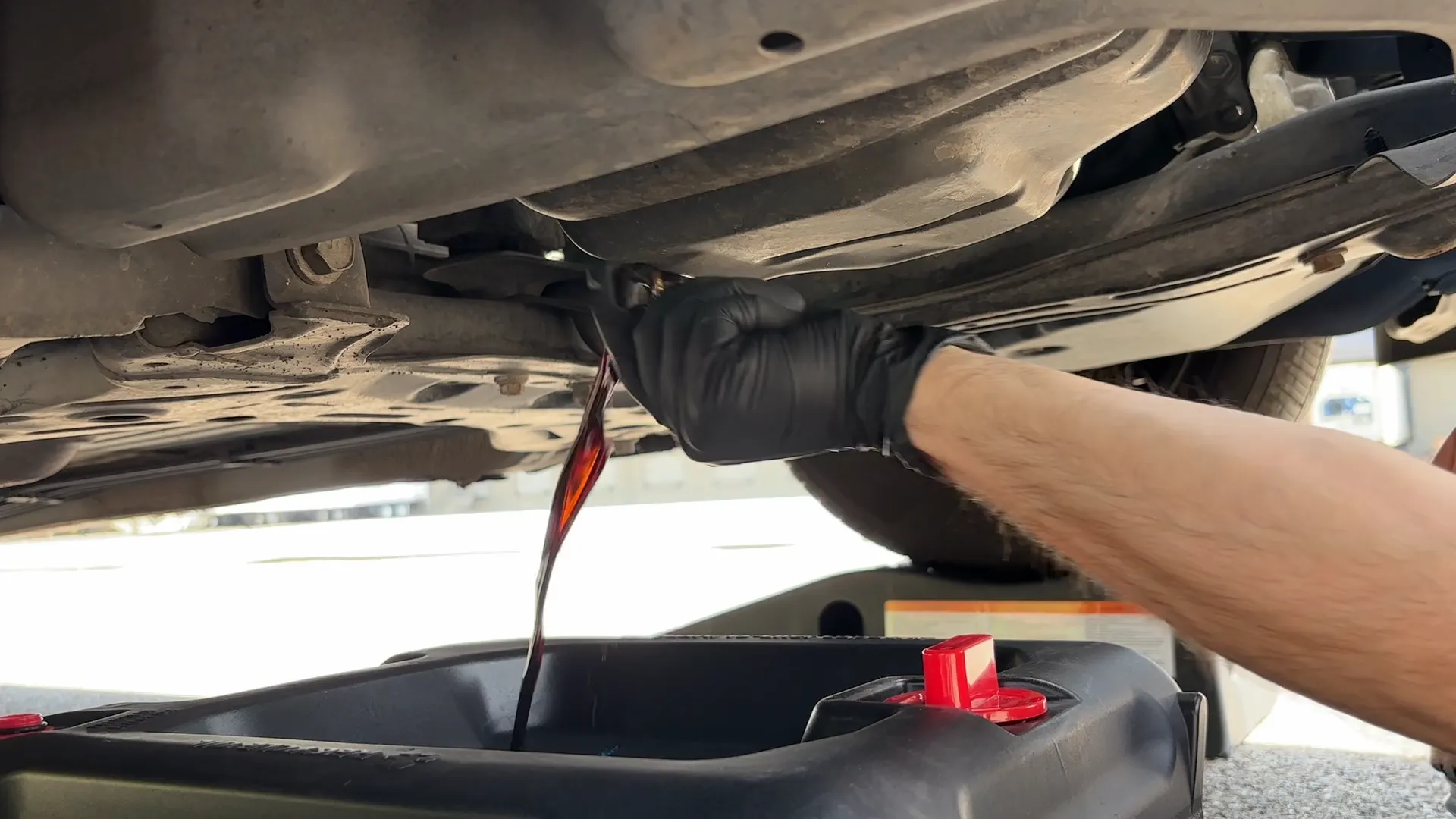
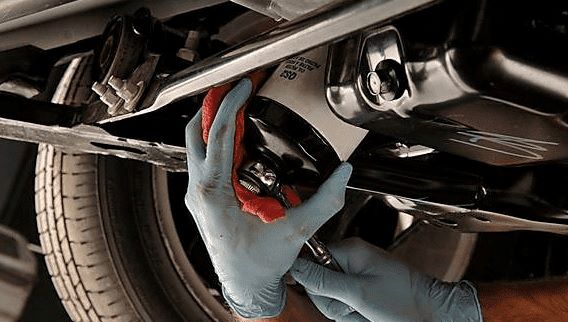
A professional oil change typically involves draining the used engine oil and replacing it with the appropriate fresh oil. Depending on the vehicle and service package, the oil filter may also be replaced because the filter collects particles and contaminants from the oil.
Technicians may also check fluid levels or perform a basic visual inspection as part of the service. These checks can help identify maintenance concerns that may otherwise go unnoticed.
The correct oil specification is particularly important. Different engines can require different viscosities and formulations, so using the oil recommended for the vehicle is essential rather than choosing solely based on price or general availability.
Choosing Oil Change Services in Canada
When comparing oil change services in Canada, drivers should look beyond the advertised price. A useful service should be convenient, transparent, and appropriate for the vehicle being maintained.
It is worth considering whether the service provider follows manufacturer specifications, uses suitable products, clearly explains what is included, and keeps accurate maintenance records. Understanding these details can help drivers make informed maintenance decisions without paying for services their vehicle does not require.
For drivers looking for information about routine oil maintenance and available service options, Victory Lube oil change services provide a useful starting point for understanding what an oil change service can include.
Conventional, Synthetic, or Synthetic Blend Oil?
Engine oil is available in several formulations, and the appropriate choice depends on the vehicle manufacturer's requirements.
Conventional oil is a traditional option used in certain engines and applications. Synthetic oil is engineered to provide specific performance characteristics and is commonly recommended for many modern vehicles. Synthetic blends combine characteristics of conventional and synthetic oils.
The important consideration is not simply which type is considered more advanced. The oil should meet the specifications established for the particular engine. Checking the owner's manual or consulting a qualified technician can help ensure the correct product is selected.
Why Regular Maintenance Is Worth the Effort
Skipping routine oil changes can allow degraded or contaminated oil to remain in the engine longer than recommended. While an oil change cannot prevent every mechanical issue, following an appropriate maintenance schedule is an important part of responsible vehicle ownership.
Consistent maintenance also makes it easier to monitor the vehicle over time. Service records can reveal patterns and provide useful information when additional maintenance is required.
Keep a Simple Maintenance Routine
A practical approach is to record the date, mileage, oil specification, and filter replacement whenever an oil change is completed. Drivers can then compare these records with the manufacturer's recommended schedule.
It is also helpful to pay attention to dashboard maintenance reminders and changes in vehicle operation. Unusual warning lights, noises, or performance changes should be addressed separately rather than assuming an oil change will resolve them.
Conclusion
Oil changes are a fundamental part of engine maintenance, but the right approach is not simply to change oil as often as possible. Drivers should follow the manufacturer's recommendations, consider their driving conditions, use the correct oil specification, and choose a service provider that follows appropriate maintenance practices.
By understanding these basics, vehicle owners can approach oil change services in Canada with greater confidence and keep routine maintenance organized. A consistent maintenance habit can contribute to reliable vehicle operation and help drivers stay proactive about the condition of their engines.