Will AI Take Over HR? What a PGDM in HR Actually Prepares You For
By Rakesh Kumar
44 Views
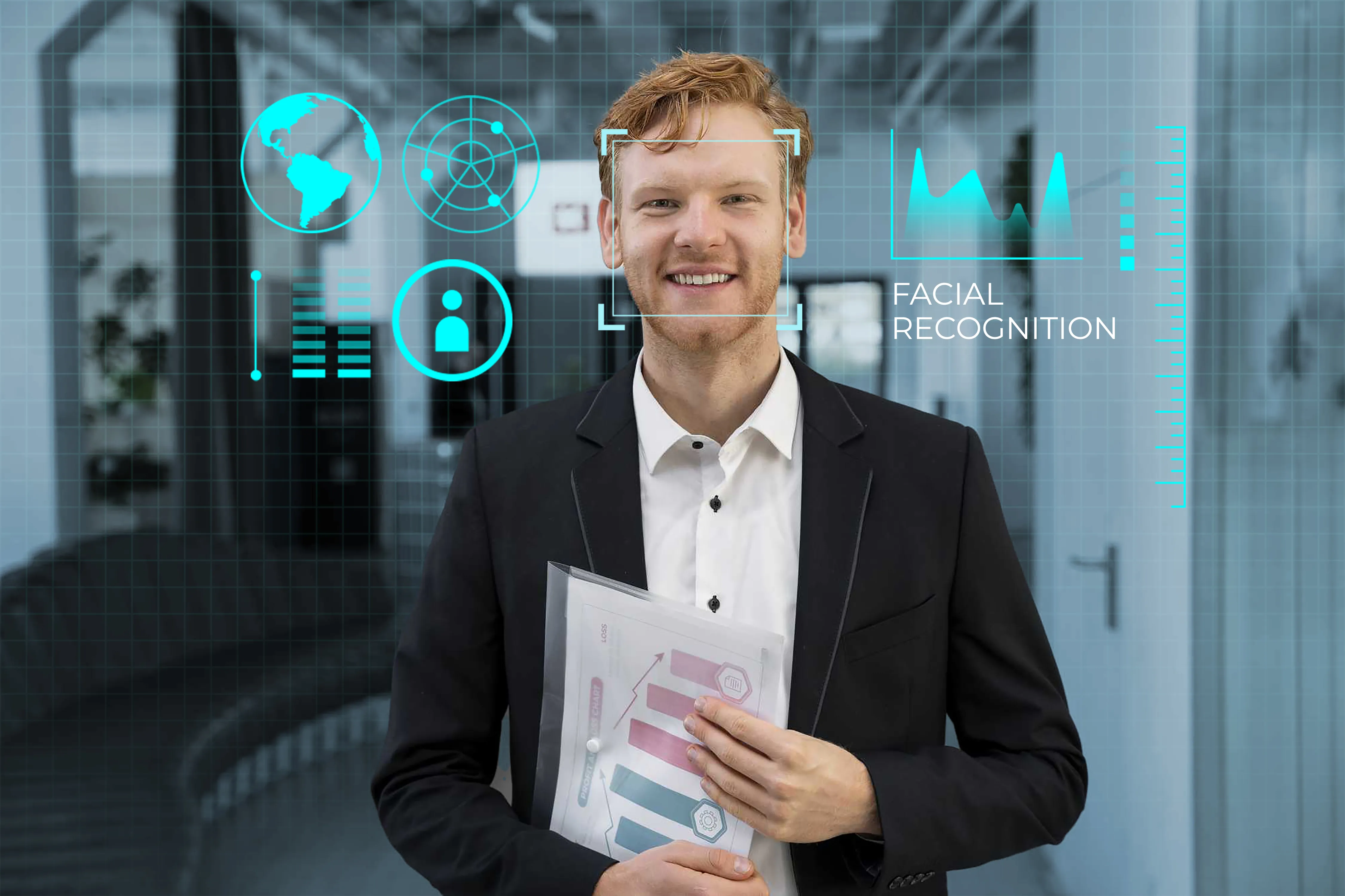
AI is already inside HR departments, screening resumes, scheduling interviews and running chatbots for employee queries. So the real question isn't whether AI is coming for HR. It's already here. The question worth answering is what it's actually replacing, and what a PGDM in HR is built to prepare you for once it does.
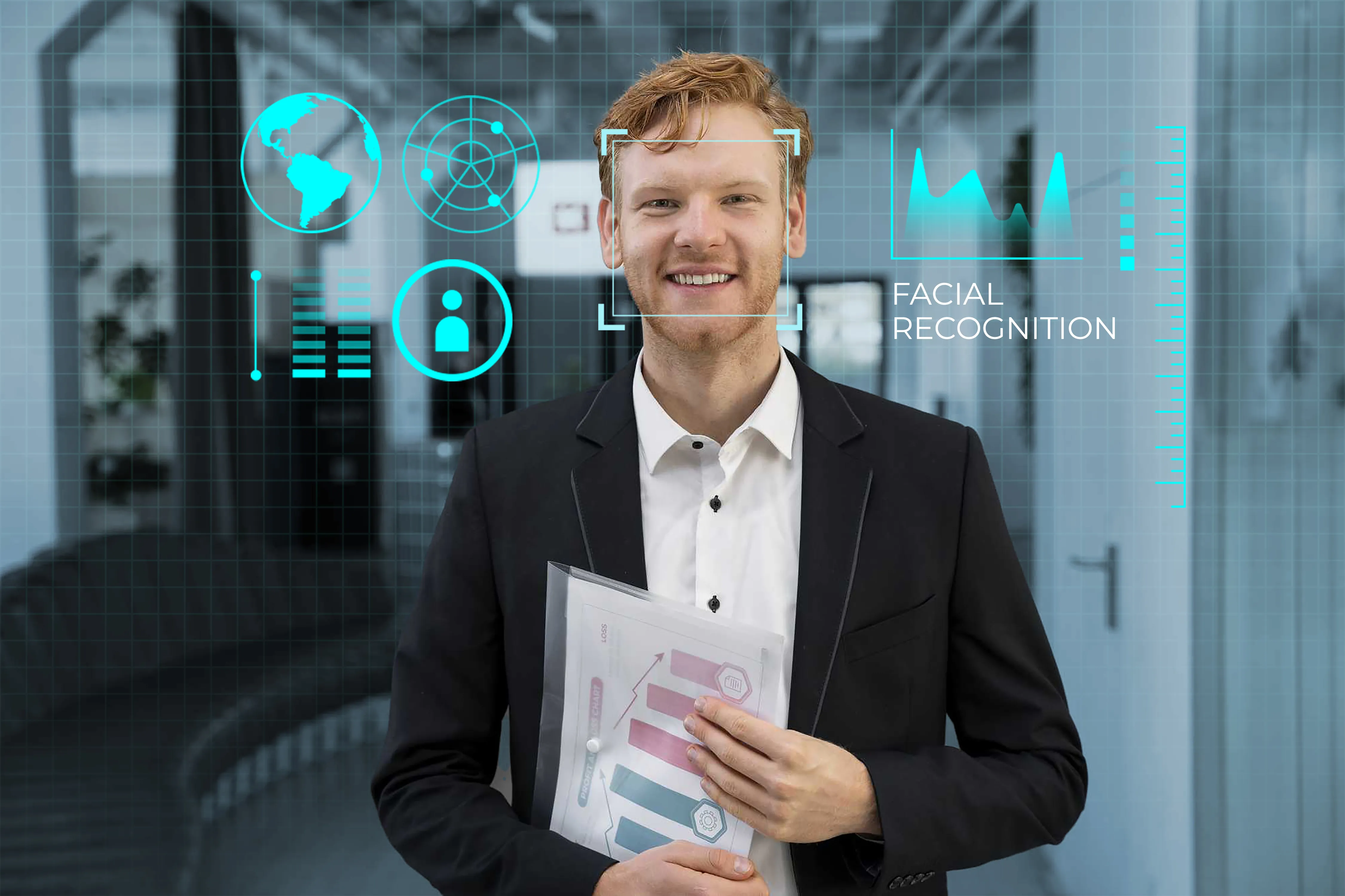
AI Isn't Taking Over HR. It's Taking Over HR's Busywork
Let's be direct about this instead of dancing around it. AI is not replacing the HR function. It's absorbing the transactional layer of HR work that was always closer to data processing than decision-making. That distinction matters more than the headline fear does.
- AI processes information faster than any human team could
- HR, at its core, is about judgment, trust, and people, not just data
- The two aren't in competition; one is a tool the other now uses
Once you separate "HR tasks" from "the HR profession," the panic around automation loses most of its weight.
What AI Is Already Automating in HR
A lot of the administrative weight of HR is being lifted by automation, and it's worth naming exactly what:
- Resume screening and shortlisting through AI-powered applicant tracking systems (ATS)
- Interview scheduling and basic candidate communication
- Payroll processing and attendance tracking
- First-line employee queries, handled through HR chatbots
- Repetitive compliance documentation and record-keeping
None of this is speculative. It's the current state of HR technology in most mid-to-large organisations, and it's exactly why the "will AI take over HR" question feels urgent right now.
What AI Still Can't Do in HR
Automation is strong at processing information. It's still weak at the parts of HR that involve judgment, trust, and context:
- Resolving a conflict between two employees with different, valid perspectives
- Deciding how to communicate a layoff with empathy and legal care
- Reading whether a team's low morale is about workload, leadership, or culture
- Negotiating compensation in a way that balances fairness and budget
- Building the kind of trust that makes someone comfortable reporting misconduct
These aren't soft add-ons to HR. They're the core of why the function exists. AI can flag a pattern in exit interview data, it can't decide how to respond to it.
A Real-World Example: Hiring, Before and After AI
It helps to see this play out in a single process rather than as an abstract idea.
- Before: an HR executive manually reviews hundreds of resumes, shortlists based on keywords, and schedules interviews one email at a time
- Now: an ATS shortlists candidates in minutes based on skill-matching, chatbots handle scheduling, and AI flags top candidates by predicted fit
- What's left for the human: deciding which "predicted fit" actually aligns with team culture, reading between the lines in an interview, and making the final judgment call on someone AI can't fully evaluate
The task got faster. The decision didn't get automated. That gap is exactly where a PGDM in HR positions you.
How a PGDM in HR Prepares You for This Shift
A modern PGDM in HR program isn't just labour law and recruitment theory anymore. The stronger ones are restructured around this exact transition:
- HR analytics and people analytics: learning to read workforce data, from attrition patterns to engagement scores, and turn it into decisions, not just dashboards
- AI-assisted recruitment and HR technology: understanding how ATS, HRIS platforms, and AI screening tools actually work, so you're directing the technology instead of being replaced by it
- Predictive workforce planning: using data to anticipate hiring needs, skill gaps, and attrition risk before they become a crisis
- Ethical AI governance in HR: knowing where AI-driven decisions in hiring or performance reviews need human oversight, especially around bias and fairness
- Strategic HR and business partnering: connecting HR decisions directly to business outcomes, which is the layer AI has no access to
A PGDM in HR doesn't compete with AI. It trains you to sit above it, using automation for the transactional work so more of your time goes toward the judgment-heavy work only a person can do.
Where Companies Are Already Restructuring HR Teams Around This
This isn't a future scenario. Organisations across IT, fintech, D2C, and consulting are already reshaping HR team structures around it:
- Smaller recruitment coordination teams, since sourcing and scheduling are largely automated
- Growing "people analytics" functions, often reporting directly into HR leadership
- New roles like HR Technology Manager and People Data Analyst that didn't exist five years ago
- HR business partners spending less time on paperwork and more time embedded with department heads on strategy
If you're mapping your own career against where the industry is headed, this restructuring is the map.
The Future HR Professional: What's Coming Next
It's worth looking a little further ahead, because the shift isn't slowing down. A few things already emerging in forward-looking HR teams:
- Predictive attrition modelling, where AI flags which employees are at flight risk weeks before they'd normally show signs, giving HR time to act rather than react
- Sentiment analysis across internal communication, used carefully and ethically, to catch early signs of disengagement or burnout across large teams
- Generative AI tools, like ChatGPT or Microsoft Copilot, being used to draft policy documents, job descriptions, and onboarding material, with HR professionals editing and approving rather than writing from scratch
- AI-personalised learning and development, where training paths adjust automatically based on an employee's role, performance data, and career goals
None of these tools make decisions on their own. They all still need someone who understands both the data and the people behind it, which is exactly the space a PGDM in HR is designed to place you in.
Common Myths About AI and HR Careers, Corrected
A few assumptions are worth clearing up directly, since they drive a lot of the unnecessary anxiety around this topic:
- Myth: AI will eliminate entry-level HR jobs entirely. Reality: it eliminates entry-level tasks, but entry-level roles are shifting toward analytics support and AI-tool management, not disappearing.
- Myth: You need a technical degree to work alongside AI in HR. Reality: a PGDM in HR now builds enough AI literacy for this; you don't need to code, you need to interpret and apply.
- Myth: Strategic HR roles are only for people with 10+ years of experience. Reality: as AI absorbs the transactional layer faster, the timeline to strategic responsibility is compressing, especially for graduates who are already fluent in HR analytics and AI tools.
Skills That Matter More Now, Not Less
As the administrative layer of HR shrinks, a specific set of skills becomes more valuable, not less:
- AI literacy, enough fluency to know what a tool can and can't be trusted with
- Data interpretation, turning HR analytics into a decision, not just a report
- Change management, since automation itself needs to be rolled out to employees without eroding trust
- Emotional intelligence, which remains the one input AI has no substitute for
- Strategic thinking, connecting people decisions to business goals rather than just process compliance
This is also why "will AI take over HR" is, in a way, the wrong fear to have. The professionals who lose ground aren't the ones AI replaces directly. They're the ones who never adapted to working alongside it.
Can You Build These Skills While Already Working?
For working professionals already in HR roles, this shift doesn't require stepping away from your career to catch up. A distance or online PGDM in HR is built around applying what you learn immediately, using a new AI-assisted recruitment method on a live requisition, or applying a people-analytics framework to your own team's data the same month you learn it. That immediate application is often what separates someone who reads about AI in HR from someone who's actually using it.
The Real Answer
Will AI take over HR? No, not the profession. It's already taking over the parts of HR that were always transactional, and it's leaving behind, and elevating, the parts that require judgment, ethics, and human trust. A PGDM in HR isn't a defence against that shift. It's the specific preparation for working inside it, with the data fluency, AI literacy, and strategic grounding to be the person making the calls the technology can't make on its own. If you are planning to pursue a modern HR career then you can check out IMT CDL, Ghaziabad’s online PGDM program in human resource management.
Related Reading
Expert Insights: Navigating the Complex World of Education & Learning
Welcome to our in-depth exploration of Education & Learning. In an era defin...
Why Education & Learning is Transforming the Global Industry Landscape
Welcome to our in-depth exploration of Education & Learning. In an era defin...