Why Your Brand Colors Look Different on Every Shirt (And How to Fix It)
19 Views
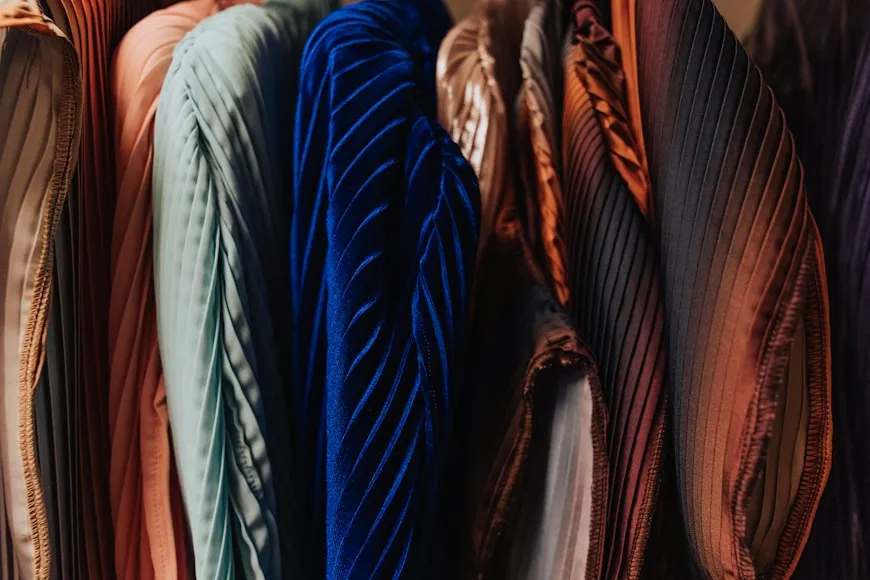
You've seen it happen. The hoodies from your last product launch came back looking purple instead of navy. The event tees printed two shades lighter than the Pantone you specified. Your marketing team signed off on a sample that looked perfect, and somehow the production run missed the mark.
Brand color inconsistency is one of the most common complaints in custom apparel. The good news is that it's usually preventable once you understand what's causing it.
The Problem Isn't the Color. It's the Variables.
When your brand color looks different across multiple apparel, there's rarely a single culprit. The issue compounds across several factors that most brands never think to control.
Substrate matters more than you think. A cotton tee absorbs ink differently than a poly-blend hoodie. The same PMS 289 will render darker on a ringspun cotton blank than on a moisture-wicking performance fabric. If you're ordering brand color matching apparel from a vendor who treats every garment the same way, you're likely to see drift. Different fabric weights and weaves also affect how ink settles and cures, which means even two cotton blanks from different mills can produce noticeably different results.
Dye lots vary. Even within the same blank style from the same mill, garments produced in different runs can carry subtle color variations. A white that skews warm will shift your ink one direction. A white that skews cool will shift it another. This is especially common with heathered or blended fabrics, where the base tone can shift from batch to batch.
Decoration method changes everything. Screen printing sits on top of the fabric. Dye sublimation bonds at a molecular level. Garment dyeing saturates the entire piece. Each method interacts with the substrate differently and requires its own color calibration. Expecting the same Pantone to look identical across all three methods without adjustment is a setup for disappointment.
Why "Match to Pantone" Isn't Enough
Most vendors will tell you they can match a Pantone. That's table stakes. The question is whether they can match it consistently across different garments, different decoration methods, and different production runs.
True brand color matching in apparel requires process control at every stage. The manufacturer needs to understand how your specific Pantone behaves on the blanks you've selected, calibrate for the decoration method, account for dye-lot variance, and catch drift before it ships.
This is where working with a promotional apparel manufacturer that manages the full production process makes a difference; there’s clearer accountability at every step. Issues get caught earlier, and corrections happen faster.
Custom Event Apparel Is Especially Vulnerable
Limited runs create a specific challenge. When you're producing custom event apparel for a tour, a conference, or a product launch, there's often no second chance. The order ships, the event happens, and whatever color came off the press is the color your audience sees.
This is why pre-production samples matter. You need a sample printed on the same blank, with the same ink formulation, under the same production conditions as the final run. A sample printed on a different substrate or with a different method may not reflect the final result accurately. If the sample approval process cuts corners, the production run is more likely to miss.
How to Fix It
Start with the blank. Define the exact style and color you're using, and require that samples use that same blank. If you're running custom event apparel across multiple garment types, request a sample for each.
Specify decoration method upfront. Screen printing and garment dye each behave differently. Tell your manufacturer what you need and ask how they'll calibrate for it.
Work with a promotional apparel manufacturer that owns the process. When printing, dyeing, and quality control are coordinated through a single manufacturing partner, accountability is clearer, and adjustments happen faster.
Request dye-lot matching on repeat orders. If you're reordering a core SKU, your manufacturer should be tracking blank sourcing and ink formulations to maintain consistency over time. Ask whether they do.
The Takeaway
Brand color inconsistency usually comes down to uncontrolled variables. With the right process and the right manufacturing partner, those variables become manageable.
Your brand standards exist for a reason. The apparel should meet them.