Why Transcritical CO₂ Plants Are Becoming the Norm in Europe?
By abdel
114 Views
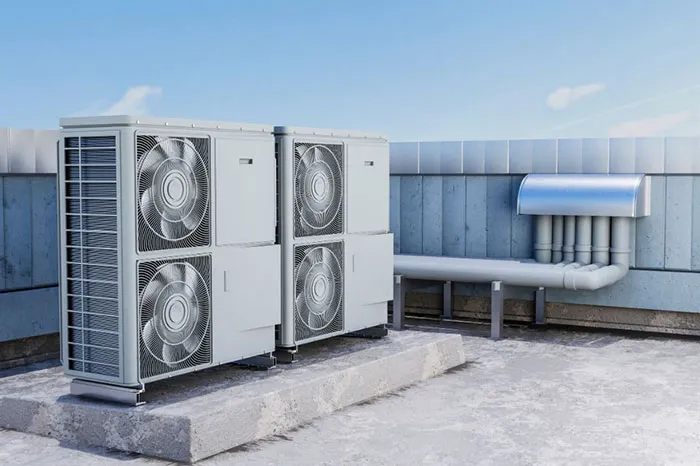
The refrigeration industry in Europe is undergoing a major transformation. As environmental regulations become stricter and businesses look for more sustainable ways to reduce energy consumption, traditional refrigeration systems are gradually being replaced by greener alternatives.
Among the technologies leading this transition, transcritical CO₂ refrigeration plants have emerged as one of the most promising solutions. Once considered a niche technology, they are now becoming the preferred choice for supermarkets, cold storage facilities, food processing plants, and commercial refrigeration projects across Europe.
But what is driving this rapid adoption? And why are transcritical CO₂ systems increasingly becoming the new standard?
Understanding Transcritical CO₂ Refrigeration
Transcritical CO₂ systems use carbon dioxide (CO₂ or R744) as the refrigerant instead of traditional synthetic gases such as HFCs.
Unlike conventional refrigeration systems, transcritical CO₂ installations operate at higher pressures and follow a different thermodynamic cycle. While the technology requires specialized engineering and installation expertise, it offers significant environmental and operational advantages.
Today, transcritical CO₂ plants are commonly found in:
- Supermarkets
- Food retail chains
- Cold storage warehouses
- Distribution centers
- Food processing facilities
- Industrial refrigeration applications
As the technology continues to mature, more businesses are recognizing its long-term benefits.
Europe’s Environmental Regulations Are Driving Change
One of the biggest reasons for the growth of transcritical CO₂ systems is the European Union’s commitment to reducing greenhouse gas emissions.
For many years, refrigeration systems relied heavily on hydrofluorocarbons (HFCs), refrigerants with a high Global Warming Potential (GWP). However, European regulations have progressively restricted the use of these gases through the F-Gas Regulation.
As a result, companies are increasingly searching for future-proof refrigeration solutions.
CO₂ offers several environmental advantages:
- Extremely low Global Warming Potential (GWP = 1)
- No ozone depletion potential
- Natural and non-toxic refrigerant
- Compliance with current and future environmental regulations
By investing in CO₂ refrigeration today, businesses can avoid future refrigerant restrictions and regulatory challenges.
Improved Energy Efficiency
Modern transcritical CO₂ systems have become significantly more efficient than earlier generations.
Advanced technologies such as:
- Parallel compression
- Gas ejectors
- Intelligent pressure control
- Variable-speed compressors
have dramatically improved system performance, particularly in moderate European climates.
For supermarkets and commercial facilities operating refrigeration systems 24 hours a day, energy efficiency translates directly into lower operating costs.
Many businesses report substantial reductions in electricity consumption after upgrading to modern CO₂ installations.
Heat Recovery Creates Additional Savings
One of the most attractive features of transcritical CO₂ systems is their ability to recover waste heat.
Instead of releasing excess heat into the atmosphere, the system can reuse it for:
- Building heating
- Domestic hot water production
- Office heating
- Warehouse climate control
This allows businesses to reduce both refrigeration and heating costs simultaneously.
For supermarkets, the recovered heat can often cover a significant portion of the building's heating needs during colder months.
A Sustainable Choice for Future Generations
Sustainability is no longer just a corporate trend—it has become a business necessity.
Consumers, investors, and regulators increasingly expect companies to reduce their environmental impact.
By switching to transcritical CO₂ refrigeration, businesses can:
- Lower their carbon footprint
- Demonstrate environmental responsibility
- Meet sustainability targets
- Improve their corporate image
For large retail chains, sustainability initiatives are now an important part of their long-term strategy and brand positioning.
Greater Refrigerant Availability and Stability
Another challenge facing traditional refrigeration systems is the rising cost and decreasing availability of certain synthetic refrigerants.
As regulations tighten, many HFC refrigerants have become more expensive and difficult to source.
CO₂ offers a practical alternative because it is:
- Widely available
- Relatively inexpensive
- Not subject to the same phase-out restrictions
- Readily accessible across Europe
This provides businesses with greater long-term security and predictability.
Technology and Expertise Have Matured
Several years ago, one of the main concerns about transcritical CO₂ systems was the lack of specialized expertise.
Today, the situation has changed dramatically.
Across Europe:
- Manufacturers have improved system designs
- Installation costs have become more competitive
- Refrigeration technicians have gained extensive experience
- Maintenance procedures are now well established
Countries such as Belgium, Germany, France, Spain, Italy, and the Netherlands have seen rapid growth in CO₂ installations, creating a strong network of qualified professionals.
As a result, businesses can adopt the technology with greater confidence than ever before.
Ideal for Supermarkets and Food Retailers
Supermarkets have become one of the biggest adopters of transcritical CO₂ refrigeration.
Their operations require:
- Refrigerated display cabinets
- Freezer sections
- Positive and negative cold rooms
- Continuous temperature control
A centralized CO₂ system can efficiently manage all these refrigeration needs while improving overall energy performance.
This combination of reliability, efficiency, and sustainability explains why many major retail chains across Europe have already made CO₂ their preferred refrigeration solution.
Challenges Still Exist
While transcritical CO₂ systems offer many benefits, they are not without challenges.
Businesses should consider:
- Higher operating pressures
- The need for specialized technicians
- More complex system design
- Initial investment costs
However, advances in technology continue to address these challenges, making the systems increasingly attractive from both technical and financial perspectives.
The Future of Commercial Refrigeration in Europe
The refrigeration industry is moving steadily toward natural refrigerants, and transcritical CO₂ technology is leading the way.
With stricter environmental regulations, growing energy concerns, and increasing demand for sustainable solutions, CO₂ systems are no longer viewed as an alternative technology—they are becoming the industry standard.
For businesses investing in refrigeration infrastructure today, choosing a transcritical CO₂ system means preparing for the future while benefiting from improved efficiency, environmental compliance, and long-term cost savings.
Transcritical CO₂ plants are becoming the norm in Europe because they offer a powerful combination of sustainability, energy efficiency, and regulatory compliance.
As environmental legislation continues to evolve and businesses seek more responsible refrigeration solutions, CO₂ technology provides a clear path forward.
What was once considered an innovative option has now become a proven and reliable solution for supermarkets, cold storage facilities, and commercial refrigeration projects throughout Europe.
For many companies, the question is no longer whether they should adopt transcritical CO₂ refrigeration—but when.
Company profile : Technicool Srl
Company informations
Company name : Technicool Srl
Address :
- Address : Rue Jakob Smits 17
- Citty : Bruxelles
- Postal code: 1070
- Country : Belgique
Phone : +32 475 81 56 51
Email : info@technicool.be
Website : https://www.technicool.be/