Why Your Teeth Still Look Yellow After Brushing Twice a Day: A Ghent Expert Explains What Actually Works
By Emma Carter
132 Views
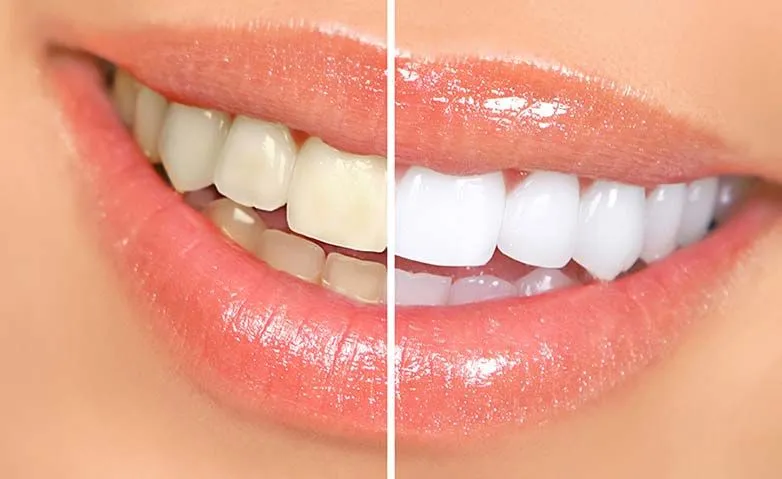
She had tried everything. Three different whitening toothpastes over several months. Whitening strips from the pharmacy used exactly as the instructions said. An electric toothbrush was bought specifically because the box promised a brighter smile. But every single morning the mirror told the same story. Yellow teeth. No visible change.
Shannon, a 34-year-old professional documented in a 2024 Good Morning America report on teeth whitening, described the experience as genuinely demoralising. She felt self-conscious in professional meetings and avoided smiling openly in photographs. Her teeth were not dirty. She brushed twice a day and visited the dentist regularly. The problem was something completely different and nobody had ever explained it to her clearly.
What finally changed her situation was not a new product. It was understanding why brushing was never going to solve the specific type of yellowing she had. Her story is one that dental professionals hear constantly. For people in Ghent dealing with the same frustration, the explanation is exactly the same.
The Honest Truth About What Brushing Actually Does
Most people grow up believing that yellow teeth mean dirty teeth. That belief is wrong and it causes a lot of unnecessary self-doubt.
Brushing twice a day is something you should absolutely keep doing. It removes plaque. It protects your gums. It prevents cavities from forming. But brushing does not change the actual colour of your teeth. It never has and it never will. That is not what a toothbrush is designed to do.
Your bristles work on the outer surface of your enamel. They can clean what sits on top. But the colour of your teeth is not always a surface issue. In many cases it goes deeper than the bristles can reach. When the yellowing comes from inside the tooth itself or from naturally thinning enamel, no amount of brushing changes anything.
This is not a hygiene failure. People with excellent oral habits still have yellow teeth. People who see the dentist regularly and use expensive toothpaste still have yellow teeth. Understanding the real reason behind that is the starting point for actually fixing it.
Two Types of Stains and Why Only One Responds to Brushing
Every dental professional who works on tooth discolouration will explain the same foundational concept. There are two completely different types of tooth staining and they require completely different solutions.
Extrinsic stains sit on the outside of your enamel. These come from the pigmented compounds in coffee, tea, red wine, cola, and tobacco. Because they are sitting on the tooth surface, brushing and some whitening products can actually make a difference. Regular brushing keeps these stains from building up too much. Professional cleaning removes what has accumulated over months.
Intrinsic stains are a fundamentally different problem. These stains sit inside the tooth itself, embedded within the enamel structure or in the dentin layer underneath it. They can develop because of aging, because of certain antibiotics taken during childhood, or simply because of the genetic characteristics you were born with. The American Dental Association (ADA) states explicitly that over-the-counter whitening products including toothpastes and chewing gums are effective only on extrinsic surface stains and will have no significant impact on intrinsic discolouration.
Most people who brush diligently and still see yellow teeth are dealing with intrinsic staining. They just have not been told this yet.
Why Your Whitening Toothpaste Cannot Do What You Think It Can
Whitening toothpastes do have a genuine use. They contain mild abrasives that polish away surface staining from food and drink. Some formulations include low concentrations of hydrogen peroxide to break down lighter discolouration. Used consistently they can help maintain a smile that is already reasonably bright.
But they cannot penetrate below the enamel surface. They cannot change the underlying shade of your dentin. They cannot reverse the natural yellowing that happens as enamel thins with age. The ADA is clear on this point. Whitening toothpaste deals with extrinsic stains on the enamel surface. That is the limit of what it can do.
This is why so many people spend months faithfully using whitening products and feel completely stuck. Three out of four people say white teeth matter to them according to data cited in dental industry research. Yet the products most people reach for first are genuinely not designed to deliver the dramatic change they are looking for.
What Coffee and Tea Are Actually Doing to Your Enamel Over Time
This is where the compounding effect becomes important to understand. Coffee is acidic. So is tea. So is most wine and most soft drinks. Every time you drink them, they slightly weaken the surface of your enamel. This happens in small amounts each time but over months and years it adds up considerably.
As enamel softens from acid exposure, the pigmented molecules in coffee and tea penetrate a little deeper into its structure than they normally would. What starts as a surface stain gradually works its way inward. By the time you have been drinking two coffees a day for several years, those stains are no longer sitting on top of the enamel. They are inside it. Brushing twice a day cannot reach them there.
A 2024 systematic review found that the yellow axis in tooth colour shifts noticeably toward yellow in adults over 45 compared to those under 30, driven by this exact combination of enamel thinning and deep stain accumulation.
The Role of Age and Genetics That Nobody Advertises
Here is the part that toothpaste companies never mention in their campaigns. Your natural tooth colour is significantly shaped by genetics. The thickness of your enamel and the natural shade of the dentin layer underneath it are inherited characteristics, just like eye colour or hair texture.
Dentin is the tissue directly beneath your enamel and it has a naturally yellowish tone. When enamel is thick, it reflects more light and your teeth look whiter. As you age, enamel gradually thins. The yellow dentin underneath starts to show through more clearly. WebMD, reviewed by medical experts as recently as October 2025, confirms that once enamel thins it cannot grow back. The yellowing that comes from this process is permanent unless you use a treatment that actually addresses it.
A 2024 study published in ScienceDirect involving 33 Gen-Z participants found that professional whitening positively affected self-confidence, professional life, personal life, social life, and mood across every single participant. Statistically significant improvements were recorded in all categories. This confirms that addressing the yellowing is not purely cosmetic. It genuinely affects how people feel day to day.
Some people are simply born with thinner enamel. Their teeth will always tend toward yellow regardless of brushing habits or diet. For these individuals especially, a professional approach is the only realistic path forward.
What Experts Find After Hours of Research on This Topic
Dental professionals who specialise in tooth discolouration spend hours of research reviewing the causes and treatment options before recommending anything to a patient. The conclusion they consistently reach is the same. For staining that sits below the enamel surface, only professional-grade treatment produces real results.
The American Dental Association confirms that professional bleaching agents are the only compounds formulated to oxidise and break down intrinsic staining. Consumer products do not contain the concentrations needed to do this without clinical supervision. Home products still serve a real purpose in maintaining results after professional treatment. But for someone who has been brushing correctly for years and is still looking at yellow teeth, changing brands or trying a new toothpaste is not the answer.
What Professional Whitening Actually Does Differently
Professional whitening treatments work on a different level entirely from anything available in a shop. They use higher concentrations of active bleaching compounds that penetrate the enamel and reach the discoloured dentin underneath. Many professional treatments combine a clinically formulated gel with LED whitening light, which activates the gel and helps it work more evenly across all tooth surfaces.
For people with sensitive teeth like Shannon from the Good Morning America report, the shift to non-peroxide gel formulas has been genuinely transformative. She described finally getting pain-free treatment through an LED-based system after years of avoiding whitening because of sensitivity. Non-peroxide formulas work more gently on the enamel while still reaching beneath the surface where the staining sits.
If you are in Ghent and want to understand exactly how this approach works, looking into tandenbleken gent gives you a clear picture of how LED technology combined with a non-peroxide gel delivers visible results safely in a single session.
The global teeth whitening market was valued at $8.08 billion in 2024 according to Data Bridge Market Research. That figure reflects how many people have moved beyond toothpaste and strips and found that professional treatment is where real change happens.
How Long Real Results Actually Last
After a professional whitening session, most people see results that last between 6 and 12 months with normal maintenance. Some research suggests results can hold for up to two years depending on diet and lifestyle.
The first 24 hours after treatment matter most. The enamel is more porous immediately after whitening, so avoiding strongly pigmented food and drink during that window protects the result. Rinsing with water after meals and using a gentle maintenance toothpaste both help extend the effect significantly over time.
Frequently Asked Questions
1- Why do my teeth stay yellow even though I brush correctly every single day?
Brushing removes surface plaque and debris but cannot change the colour of your enamel or lighten the dentin beneath it. If your yellowing comes from intrinsic staining, genetics, or age-related enamel thinning, no toothbrush or whitening toothpaste will produce a visible difference.
2- Is professional whitening safe if I have sensitive teeth?
Yes, particularly with non-peroxide gel formulas now widely available in professional settings. These gentler formulations are designed specifically for sensitive enamel and typically produce no discomfort during or after treatment, which makes them a good option for people who have avoided whitening in the past.
3- Does whitening toothpaste do anything useful at all?
Yes, but within a limited scope. It works well on fresh surface stains and plays a good supporting role in maintaining results after professional treatment. It cannot change your natural tooth shade or address staining that sits below the enamel surface.
What to Do When Brushing Harder Is No Longer the Answer
The most common mistake people make with yellow teeth is assuming that more effort at home will eventually produce results. It usually will not. The cause is almost always deeper than the surface and the solution has to match the depth of the problem.
A 2024 study on the influence of dental bleaching on quality of life covering 140 adult patients found significant improvements in self-worth, emotional wellbeing, and social life following professional whitening treatment. These were not cosmetic statistics. They reflected real changes in how people experienced their daily lives.
If you have been brushing twice a day for years without seeing the change you want, that is not a failure. It simply means the solution you need reaches further than your toothbrush can. Knowing that is where things actually begin to change.