Why Smart Controls Are Becoming Part of HVAC Automation
By Prerna Rai
94 Views
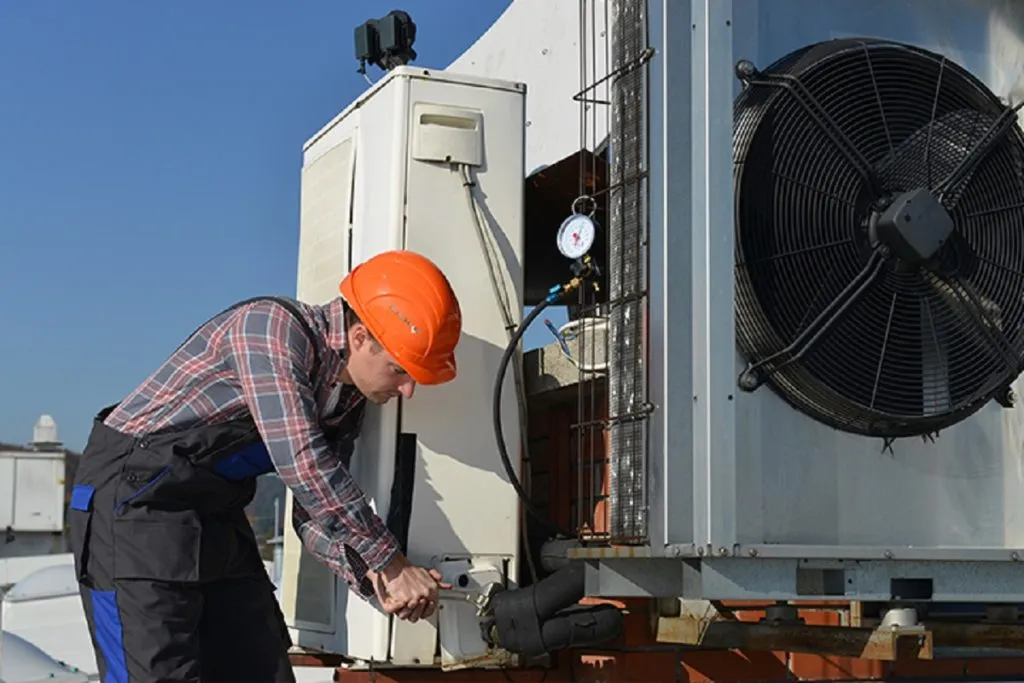
HVAC systems have traditionally been operated through basic thermostats, manual switches, and fixed schedules. While these methods can control temperature, they may not always respond to changing conditions inside a building. Modern properties are therefore moving towards smarter ways of managing heating, cooling, ventilation, and energy use.
Smart controls are becoming an important part of HVAC automation because they allow systems to respond more efficiently to factors such as temperature, occupancy, operating schedules, and indoor conditions. Instead of relying entirely on manual adjustments, automated controls can help manage different parts of an HVAC system based on actual requirements.
What Are Smart HVAC Controls?
Smart HVAC controls are technologies that allow heating, cooling, and ventilation equipment to be monitored and adjusted automatically. Depending on the system, these controls can include smart thermostats, sensors, programmable controllers, building management systems, and remote monitoring tools.
The level of automation can vary from a simple temperature-based control to a complete system that manages multiple HVAC zones across a commercial property.
Better Control Over Temperature
One of the main advantages of smart controls is more precise temperature management. Traditional systems may operate according to a fixed setting even when conditions inside a building change.
Smart sensors can monitor temperature in different areas and allow the system to adjust operation according to actual conditions. This can be particularly useful in offices and commercial buildings where different rooms may have different occupancy levels.
Helps Reduce Unnecessary Energy Use
HVAC equipment can consume a considerable amount of energy, especially when it operates for long hours. Running cooling or heating equipment in an empty space can result in unnecessary energy consumption.
Automation can help address this by adjusting operation according to occupancy, schedules, or temperature requirements. For example, cooling can be reduced in areas that are not being used and increased when occupancy rises.
The actual energy savings will depend on the building, equipment, controls, and operating conditions, but better control can help avoid unnecessary operation.
Supports Zone-Based Control
Large commercial properties often have different areas with different heating and cooling needs. Treating the entire building as one space may not always be efficient.
Smart controls can support zone-based operation, allowing individual areas to be managed according to their specific requirements. Meeting rooms, workspaces, reception areas, and other sections can therefore have different temperature settings when the system is designed for this type of control.
Remote Monitoring and Management
Another reason smart controls are becoming more common is the ability to monitor HVAC equipment remotely.
Depending on the technology being used, facility managers may be able to check temperatures, operating status, schedules, alerts, and other system information from a central interface. This can make it easier to identify unusual behaviour without having to inspect every part of the building manually.
Remote access can also be useful when HVAC systems need to be monitored outside normal working hours.
Can Help Identify Problems Earlier
Some automated systems can track equipment performance and generate alerts when readings fall outside expected ranges.
For example, unusual temperature changes, extended operating periods, or certain equipment faults may indicate that a system requires attention. Early detection does not eliminate the need for professional inspection, but it can help maintenance teams respond before a minor issue develops into a larger problem.
Useful for Commercial Buildings
Smart controls are particularly relevant to commercial properties because these buildings often have multiple zones, changing occupancy patterns, and long operating schedules.
Offices, hotels, retail spaces, hospitals, and other large facilities can benefit from having greater control over when and where HVAC equipment operates. The exact level of automation should be selected according to the building's size, HVAC configuration, and operational requirements.
Integration With Other Building Systems
Modern HVAC controls can sometimes be integrated with other building management technologies. Lighting, occupancy sensors, security systems, and ventilation equipment may work together through a central management platform.
This type of integration can provide a more coordinated approach to building operations. However, compatibility between different systems should be evaluated before installation.
Professional Planning Still Matters
Smart controls cannot compensate for an incorrectly designed or poorly maintained HVAC system. Equipment capacity, ductwork, airflow, sensors, wiring, and control logic all need to work together for automation to provide useful results.
For this reason, businesses considering an automated HVAC upgrade can benefit from discussing their existing setup with an experienced team such as M G Cooling Solution before selecting control equipment.
Final Thoughts
Smart controls are becoming an important part of modern HVAC automation because they provide better control over temperature, operating schedules, energy use, and system monitoring. They can also make it easier to manage different zones and identify potential issues.
However, automation should be viewed as part of a complete HVAC strategy rather than a standalone upgrade. Proper system design, compatible controls, professional installation, and regular maintenance are all important for achieving reliable long-term performance.