Why Schools Should Invest in Quality Kids Play Items
148 Views
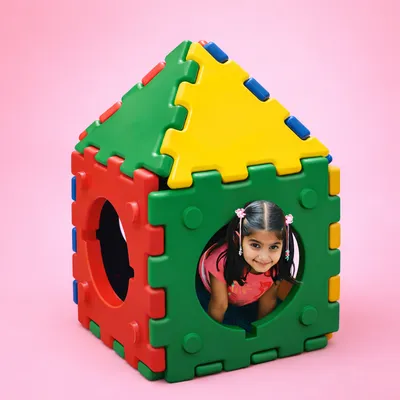
Play is an essential part of a child’s learning and development, especially during the early years of education. Modern schools are increasingly recognizing the importance of creating engaging play environments that support physical activity, creativity, and social interaction. This is why investing in high-quality kids play items has become a valuable decision for schools, daycare centers, and educational institutions.
From slides and swings to rockers and activity toys, quality play items help create enjoyable spaces where children can learn while having fun.
1. Supports Physical Development
One of the biggest benefits of kids play items is that they encourage active movement. Activities such as climbing, sliding, rocking, and swinging help improve:
- Balance and coordination
- Motor skills
- Muscle strength
- Flexibility
Regular physical activity is important for healthy growth, and play-based learning helps children stay active in a natural and enjoyable way.
2. Encourages Social Interaction
Children learn many important life skills through group play. Kids play items encourage children to:
- Share and cooperate
- Communicate with others
- Develop teamwork
- Build friendships
Interactive play areas create opportunities for children to engage socially, which helps improve confidence and emotional development.
3. Improves Creativity and Imagination
Creative play is essential for cognitive development. Quality kids play items encourage children to use their imagination, create stories, and explore different activities. This type of unstructured play helps improve problem-solving abilities and independent thinking.
4. Creates an Engaging Learning Environment
A school with attractive and engaging play areas becomes more enjoyable for children. Brightly designed kids play items make learning spaces more welcoming and encourage students to participate actively in school activities.
Play-based environments also help children feel more comfortable and emotionally connected to their school experience.
5. Ensures Better Safety for Children
Investing in quality kids play items means investing in child safety. Trusted manufacturers design play equipment using:
- Non-toxic materials
- Smooth edges
- Sturdy construction
- Child-safe designs
High-quality play items reduce the risk of injuries and provide safer play experiences for children in schools and daycare centers.
6. Long-Term Durability and Value
Schools require play equipment that can handle daily use by multiple children. Durable kids play items made from high-quality materials last longer and require less maintenance over time.
Weather-resistant and easy-to-clean products also help schools maintain hygienic and organized play areas.
7. Helps Reduce Screen Time
In today’s digital age, children spend increasing amounts of time on screens. Schools can encourage healthier habits by providing engaging kids play items that motivate children to participate in active outdoor and indoor play activities.
Active play contributes positively to both physical and mental well-being.
8. Enhances School Reputation
Modern parents often look for schools that offer safe and well-equipped play areas for children. Investing in quality kids play items helps schools create a positive impression and demonstrates a commitment to child development and safety.
Well-designed play spaces can become an important factor for parents when selecting schools for their children.
Conclusion
Investing in quality kids play items offers several benefits for schools, including improved physical activity, social interaction, creativity, and child safety. Well-designed play areas help create engaging learning environments where children can grow, explore, and develop important life skills through play.
By choosing durable and child-friendly kids play items, schools can provide safer, more enjoyable, and development-focused experiences that contribute positively to early childhood education.
Related Reading
Expert Insights: Navigating the Complex World of Education & Learning
Welcome to our in-depth exploration of Education & Learning. In an era defin...
Why Education & Learning is Transforming the Global Industry Landscape
Welcome to our in-depth exploration of Education & Learning. In an era defin...