Why Your Salon Reports Never Match Your Actual Sales
By iTudeTech
52 Views
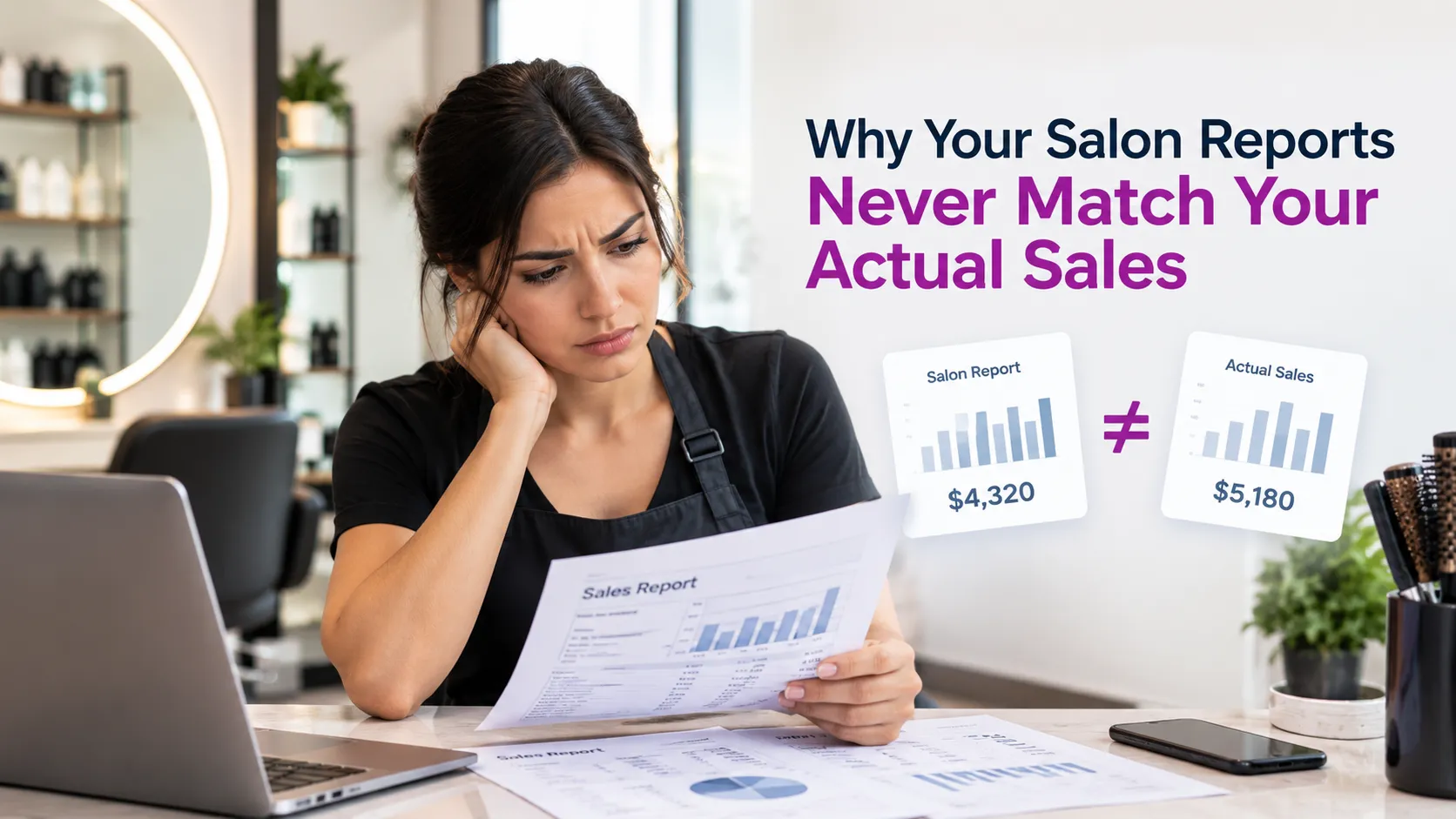
Running a successful salon requires more than delivering excellent services. Owners also need accurate reporting to understand revenue, monitor performance, and make informed business decisions. Yet many salon owners face a frustrating problem: their salon reports never seem to match their actual sales.
At first glance, the numbers may look close, but even small discrepancies can create major issues over time. Whether you're using spreadsheets or a dedicated salon POS system, understanding why reporting errors occur is the first step toward fixing them.
In this article, we'll explore the most common reasons salon reports and actual sales don't align and how you can improve reporting accuracy across your business.
Understanding the Cost of Inaccurate Salon Reports
When reports don't reflect reality, salon owners lose visibility into their business performance. Revenue forecasts become unreliable, inventory management suffers, and tax preparation becomes more complicated.
Even a small reporting mismatch can lead to:
- Incorrect profit calculations
- Poor budgeting decisions
- Inventory shortages or overstocking
- Employee commission disputes
- Tax reporting errors
Accurate reporting is essential for sustainable salon growth.
Common Reasons Salon Reports Don't Match Actual Sales
Manual Data Entry Errors
One of the biggest causes of reporting discrepancies is human error. Staff members may accidentally enter incorrect amounts, select the wrong service, or forget to record transactions entirely. These mistakes may seem minor individually, but they accumulate over weeks and months, creating significant differences between reported and actual revenue.
Unrecorded Cash Transactions
Cash payments are often the easiest transactions to overlook. If a payment is accepted but not properly recorded in the system, your sales reports will immediately become inaccurate. This issue is especially common in busy salons where employees are focused on serving clients and may forget to enter transactions after collecting payment.
Discounts Applied Incorrectly
Discounts can affect reporting accuracy when they are not tracked properly. Staff members may manually reduce prices without selecting the appropriate discount category. As a result, reports may show lower service revenue without explaining why the reduction occurred, making financial analysis difficult.
Refunds and Adjustments
Refunds, cancellations, and service adjustments can create reporting inconsistencies when they are processed incorrectly.
For example, if a refund is issued outside the system or recorded differently than the original sale, reports may not accurately reflect the transaction history.
Inventory and Retail Sales Tracking Problems
Many salons generate revenue from both services and retail product sales. Unfortunately, inventory tracking errors often contribute to reporting mismatches. A dedicated hair salon point-of-sale solution can help connect product sales with inventory movement, reducing the likelihood of discrepancies.
Products Sold Without Proper Recording
Employees may occasionally hand products to customers without completing the sale in the system. This creates two problems:
- Inventory decreases unexpectedly.
- Revenue reports remain unchanged.
Over time, these unrecorded sales create significant reporting gaps.
Inventory Shrinkage
Theft, damaged products, expired inventory, and misplaced stock can all affect retail reporting. If inventory counts don't match recorded sales, salon owners may struggle to identify where the losses are occurring.
Staff-Related Reporting Issues
Commission Calculation Errors
Many salons pay employees based on service revenue, product sales, or performance metrics.
When transactions are assigned to the wrong employee or entered incorrectly, commission reports become inaccurate. This often leads to disputes and payroll challenges.
Shared User Accounts
Some salons allow multiple employees to use the same login credentials. While convenient, this practice makes it difficult to determine who processed specific transactions. Without proper accountability, tracking reporting errors becomes much harder.
Incomplete Service Records
Staff members sometimes complete services but forget to close appointments or finalize tickets in the system. These incomplete records can create differences between appointment schedules and revenue reports.
Why Spreadsheets Often Create Reporting Problems
Many salon owners still rely on spreadsheets to track revenue and business performance.
While spreadsheets offer flexibility, they also introduce several risks:
- Formula errors
- Duplicate entries
- Missing transactions
- Manual reconciliation issues
- Lack of real-time updates
As transaction volume increases, spreadsheets become increasingly difficult to manage accurately.
Delayed Reporting Updates
When financial information is entered manually at the end of the day or week, reporting delays become inevitable. This creates opportunities for forgotten transactions and incorrect figures.
How Modern POS Systems Improve Reporting Accuracy
Real-Time Transaction Recording
Modern POS systems automatically record sales as transactions occur. This eliminates the need for manual calculations and significantly reduces errors. Real-time reporting also gives salon owners immediate visibility into daily performance.
Automated Revenue Categorization
Advanced systems automatically separate:
- Service revenue
- Product sales
- Discounts
- Taxes
- Refunds
This provides a clearer picture of business performance and reduces accounting mistakes.
Integrated Appointment Management
A specialized nail salon POS software platform can connect appointment scheduling directly with sales reporting, ensuring every completed service is reflected in revenue data. This integration reduces the risk of missing transactions and improves overall reporting consistency.
Best Practices for Accurate Salon Reporting
Conduct Regular Audits
Review your reports weekly to identify unusual trends or discrepancies. Frequent audits help catch errors before they become larger problems.
Compare:
- Daily sales reports
- Cash drawer balances
- Credit card settlements
- Inventory counts
Train Staff Consistently
Employees should understand the importance of accurate transaction processing.
Training should cover:
- Correct payment recording
- Refund procedures
- Discount application
- Inventory management
- End-of-day reconciliation
Limit Manual Processes
The fewer manual tasks involved in reporting, the lower the risk of human error. Automation improves consistency and allows staff to focus on customer service rather than administrative work.
Use Unique Employee Logins
Assigning individual accounts to every employee improves accountability and simplifies troubleshooting when discrepancies occur. This also enhances security and reporting transparency.
Building a Data-Driven Salon Business
Accurate reporting isn't just about balancing numbers. It's about gaining confidence in your business decisions. With the right systems in place, salon owners can identify their most profitable services, optimize staffing schedules, manage inventory more effectively, and improve customer retention strategies.
Many salons are moving toward integrated business management solutions offered by iTudeTech because they provide centralized visibility into sales, inventory, appointments, and employee performance.
Conclusion
If your salon reports never seem to match your actual sales, the issue is usually not a single mistake but a combination of manual errors, inconsistent processes, inventory discrepancies, and outdated tracking methods.
By implementing proper reporting procedures, training staff, conducting regular audits, and using modern POS technology, salon owners can significantly improve financial accuracy. Accurate reporting creates a stronger foundation for decision-making, increases profitability, and helps ensure long-term business success.