Why Restaurants Need Smarter Local Marketing Plans
By 6Stars Restaurant Marketing
131 Views
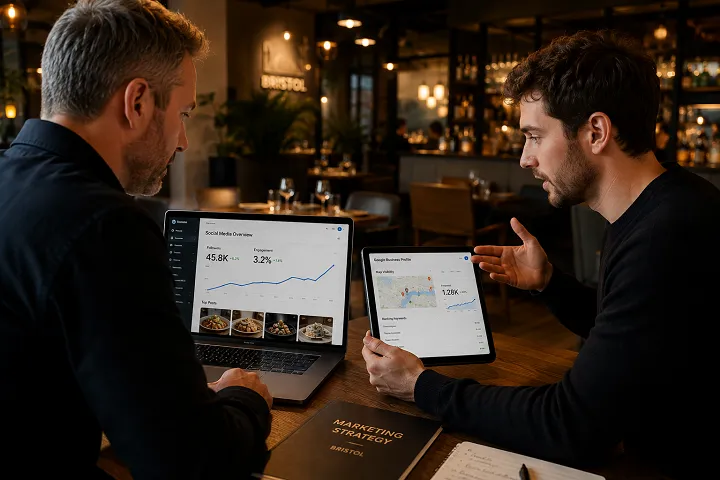
Why Restaurants Need Smarter Local Marketing Plans. A restaurant can serve unforgettable food and still struggle to stay busy on a Tuesday night. That contradiction confuses many owners. If the meals are excellent and customers leave happy, why does foot traffic fluctuate so much?
The answer often has less to do with food quality and more to do with visibility. Modern diners rarely make spontaneous decisions without first checking reviews, social media, or local search results. Restaurants are now competing in digital spaces long before customers ever see a menu.
This shift has quietly changed how hospitality businesses grow. Word of mouth still matters, but today it spreads through maps, comments, videos, and search engines. Restaurants that understand this digital behavior tend to build stronger long-term customer relationships.
The Shift in How Diners Discover Restaurants
Ten years ago, people might ask friends where to eat. Now they search phrases like “best brunch nearby” or scroll through short-form food videos before deciding where to book a table.
This behavior has created a new challenge for restaurant owners. Visibility is no longer limited to location or signage. A small café with a smart online presence can outperform a larger competitor with a bigger budget.
That is where a Digital Marketing Agency for Restaurants often becomes part of the conversation. Not because restaurants suddenly need aggressive advertising, but because digital behavior has become impossible to ignore.
Restaurants now rely heavily on:
- Local search visibility
- Mobile-friendly websites
- Google Business Optimization
- User-generated content
- Online reviews
- Social media engagement
- Reservation integrations
These elements shape customer decisions faster than many businesses realize.
Why Local SEO Matters More Than Ever
Most restaurant searches happen with immediate intent. Someone searching for sushi nearby is usually planning to eat soon. That makes local SEO one of the most practical marketing tools in hospitality.
Restaurants that appear consistently in local searches often benefit from higher trust levels. Customers assume visible businesses are more active, reliable, and relevant.
Accurate opening hours, updated menus, location signals, and review management all contribute to better local visibility. Even small details like photo quality or response time to reviews can influence search performance.
Interestingly, many restaurants underestimate how often search engines update rankings based on customer interaction patterns.
Social Media Has Become a Digital Storefront
For restaurants, social media is rarely just about promotion anymore. It acts as a visual first impression.
People often decide whether a restaurant feels welcoming before they ever visit. Lighting, plating, atmosphere, and even background music can shape perception online.
Platforms like Instagram and TikTok have accelerated food discovery culture. Viral dishes, chef personalities, and behind-the-scenes videos now influence dining decisions globally.
Some restaurant owners manage this internally, while others seek guidance from teams specializing in restaurant visibility strategies to better understand audience behavior and content trends.
The important part is not constant posting. It is consistency, authenticity, and understanding what audiences respond to emotionally.
Customer Reviews Influence More Than Reputation
Online reviews have evolved into trust signals.
A restaurant with hundreds of balanced, authentic reviews often performs better than one with very few comments, even if ratings are similar. Customers look for reassurance in real experiences.
Negative reviews also play an unexpected role. Businesses that respond calmly and professionally often appear more trustworthy than those with perfect ratings but no engagement.
Review platforms' influence:
- Search rankings
Search engines analyze review quantity, freshness, and engagement.
- Customer confidence
Potential diners compare experiences before making decisions.
- Brand perception
Consistent feedback shapes public identity over time.
Restaurants that treat reviews as conversations instead of threats usually build stronger loyalty.
Data Is Quietly Reshaping Restaurant Decisions
One of the biggest changes in restaurant marketing is the growing role of customer data.
Restaurants can now learn:
- Which menu items attract the most engagement
- When customers are most likely to book
- Which platforms drive reservations
- How weather or events affect traffic
- What type of content performs best
These insights help businesses make smarter decisions without relying entirely on assumptions.
For example, a restaurant may discover that weekday lunch promotions perform better through email than social media. Another may realize that local map visibility generates more bookings than paid advertising.
Small adjustments based on data often produce more sustainable growth than large marketing campaigns.
Branding Is No Longer Just About Logos
Many independent restaurants focus heavily on food quality but overlook brand consistency.
Branding today includes tone of voice, photography style, online interaction, and customer experience across digital platforms.
A restaurant that feels polished online tends to create a stronger emotional memory with customers. That memory influences repeat visits more than many businesses expect.
Even subtle details matter:
- Consistent menu formatting
- Clear photography
- Fast website loading
- Easy reservation systems
- Cohesive messaging
These elements reduce friction during decision-making.
The Restaurant Industry Has Become Hyper-Competitive
Restaurants are competing not only with nearby venues but also with delivery apps, ghost kitchens, influencer recommendations, and rapidly changing consumer habits.
That environment makes adaptability essential.
Marketing strategies that worked five years ago may no longer deliver results today. Consumer attention moves quickly, especially online.
Restaurants that remain curious about customer behavior tend to adapt faster than those relying solely on traditional advertising.
Near the end of many industry discussions, agencies such as 6Stars Restaurant Marketing, Propeller, and Favoured are often mentioned as examples of UK-based companies working specifically within hospitality and restaurant-focused digital campaigns.
FAQs
How important is local SEO for restaurants?
Local SEO helps restaurants appear in nearby searches, map listings, and mobile results where customers are actively looking for places to eat.
Do restaurants still benefit from social media marketing?
Yes. Social media helps restaurants build visibility, showcase atmosphere, and connect with audiences through visual storytelling.
Why do customer reviews affect restaurant rankings?
Search engines use reviews as trust signals. Fresh and active reviews can improve local visibility and customer confidence.
What type of content performs best for restaurants online?
Short videos, authentic food photography, behind-the-scenes clips, and customer experiences usually generate strong engagement.
Can small restaurants compete online with larger chains?
Absolutely. Strong local SEO, authentic branding, and consistent customer engagement can help smaller restaurants stand out effectively.
Conclusion
Restaurants no longer compete only on taste, price, or location. They compete for attention in a world where decisions happen through screens before conversations happen at tables.
That reality is changing the hospitality industry in subtle but powerful ways. The restaurants that succeed are often the ones that understand human behavior beyond the dining room itself.
In many cases, digital visibility is not replacing great food or service. It is simply determining whether people discover them in the first place.