Why Radon Testing Is Important for Rochester Properties
By Matt Grayson
16 Views
Understanding Radon Gas in Buildings
Radon is a naturally occurring radioactive gas produced by the breakdown of uranium in soil and rock. It has no color, smell, or taste, making it impossible to detect through ordinary observation. Radon can enter buildings through foundations and other openings, sometimes accumulating indoors. Understanding this environmental concern helps property owners recognize why professional testing is an important part of building maintenance.
The Importance of Professional Radon Testing
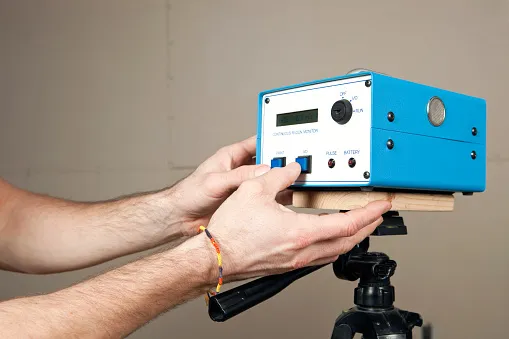
Radon Gas Testing Services in Rochester NY can help property owners determine whether radon is present indoors and measure its concentration. Testing involves using specialized equipment to collect measurements from selected areas of a building. The results provide valuable information about indoor conditions and help determine whether additional testing or a radon reduction system may be appropriate.
How Radon Enters a Property
Radon typically moves from the surrounding soil into buildings through openings in foundations and ground-contact areas. Small cracks in concrete floors, gaps around utility pipes, foundation joints, and floor drains may provide entry pathways. Differences in pressure between indoor spaces and the surrounding ground can also influence how the gas enters. Since these openings may be difficult to notice, testing is more reliable than visual observation alone.
Why Rochester Property Owners Should Pay Attention
Properties in Rochester may experience different radon conditions depending on local geology, foundation construction, and building characteristics. Homes, offices, and other structures can have varying indoor concentrations, even when they are located close to one another. A neighboring property's test results cannot establish the radon level of another building. Individual testing provides a more accurate understanding of the conditions inside a specific property.
Understanding the Radon Testing Process
Radon testing uses measurement devices placed in selected indoor locations for a specific period. Depending on the purpose of the assessment, short-term or long-term testing methods may be used. The devices must be positioned and maintained according to appropriate testing procedures. After the measurement period, the collected information is reviewed to determine the radon concentration and whether further action should be considered.
Choosing Appropriate Testing Locations
Testing locations can influence how useful the results are. Lower-level rooms, basements, and spaces near the foundation may deserve attention, depending on the property's design and intended use. In commercial buildings, regularly occupied ground-level areas may also be relevant. A qualified testing professional can help determine suitable locations and explain any limitations associated with the testing arrangement.
The Role of Certified Inspectors
Certified Inspectors can help property owners understand the testing process, select appropriate measurement locations, and interpret the findings. Professional testing should follow established procedures to help ensure that the collected results are meaningful. Property owners should ask about the inspector's qualifications, testing methods, and reporting process. Clear documentation helps owners understand the measured conditions and determine whether additional evaluation may be necessary.
Understanding Radon Test Results
Radon concentrations in the United States are commonly reported in picocuries per liter (pCi/L). The Environmental Protection Agency recommends taking action when indoor radon levels reach or exceed 4 pCi/L. However, lower readings do not mean that exposure risk is completely eliminated. Property owners should review results carefully and consider appropriate guidance when deciding whether further testing or corrective measures are needed.
Why Radon Awareness Matters for Occupants
People may spend significant amounts of time inside homes, offices, schools, and other buildings. Long-term exposure to elevated radon concentrations is associated with an increased risk of lung cancer. Since the gas cannot be identified through smell or appearance, occupants may not know whether a concern exists. Testing provides useful information that supports informed decisions about indoor environmental conditions.
Addressing Elevated Radon Concentrations
When testing identifies elevated radon levels, property owners should consider an appropriate reduction strategy. Depending on the building's construction and foundation, mitigation may involve a system designed to draw radon from beneath the structure and release it outdoors. Qualified professionals can evaluate the conditions and recommend suitable measures. Follow-up testing helps determine whether the corrective work has reduced indoor concentrations effectively.
Considering Radon Testing During Property Transactions
Radon testing can be a valuable part of property due diligence. Buyers may want to understand indoor environmental conditions before completing a purchase, while sellers may benefit from having reliable testing documentation available. Property managers can also use reports when preparing a building for leasing or reviewing maintenance needs. Testing provides information that can help support more informed decisions during property transactions.
Maintaining Radon Testing Records
Property owners should keep copies of testing reports, measurement dates, sampling locations, and any mitigation documentation. These records provide a useful history of indoor conditions and completed improvements. Additional testing may be appropriate after major renovations, changes to ventilation systems, or installation of a radon reduction system. Organized documentation makes it easier to monitor conditions and plan future maintenance.
Making Radon Testing a Property Maintenance Priority
Radon testing provides information that cannot be obtained through ordinary building observations. By measuring indoor concentrations and reviewing the results, property owners can identify potential concerns and determine whether corrective action is appropriate. Combining testing with regular building maintenance and follow-up evaluations supports responsible property management and helps owners make better-informed decisions about their indoor environments.
Related Reading
Expert Insights: Navigating the Complex World of Home Improvement
Welcome to our in-depth exploration of Home Improvement. In an era defined by ra...
Why Home Improvement is Transforming the Global Industry Landscape
Welcome to our in-depth exploration of Home Improvement. In an era defined by ra...