Why Peace Becomes More Important Than Victory in The Hero of Stramica
By Mark Wilson
84 Views
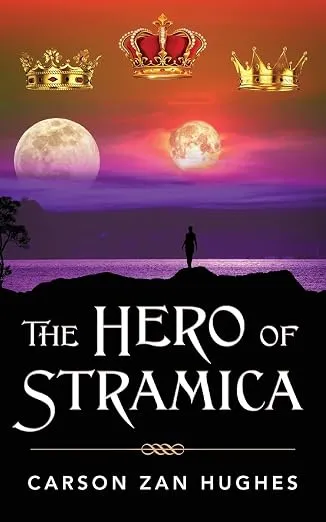
In The Hero of Stramica, victory is often followed by loss. A battlefield may be won, but the people who fought there do not all return home. A kingdom may gain ground, but the cost can remain in the lives of soldiers, families, and leaders who must carry what happened.
The war between Yaldrea and Luclaria begins with both sides believing they must fight for their people. Yaldrea wants to protect its future and keep Luclaria from gaining an advantage. Luclaria fears what may happen if its people lose their freedom and are forced into a life without safety.
Yet as the story moves forward, the meaning of victory begins to change. The characters see that winning a battle does not always bring hope. Sometimes, peace becomes the greater goal.
If you’re interested in purchasing this book, click the link below to place your order. (Buy This Book At Amazon)

A Victory Filled With Loss
After the battle in the valley, the Luclarians have forced the Yaldreans to retreat. The rockslide has changed the field, and the Luclarians have held their ground. But Halikar does not see the result as something worth celebrating.
He looks across the battlefield and sees the cost. Hundreds of Luclarians are dead, and many others are badly injured. He thinks about the mothers who will mourn their sons and the wives who will mourn their husbands.
For Halikar, this is not the kind of victory that brings comfort.
The Luclarians may have won the battle, but they have lost people who cannot be replaced. The field is left with stones, bodies, and the memory of what the war has taken. Halikar understands that a kingdom cannot build a future only by counting the battles it has won.
This is one of the first ways the story shows why peace matters more than victory. A battle may end, but grief continues.
The Burden Carried by Both Sides
The war does not hurt only one kingdom.
In Yaldrea, Valkest carries guilt after the landslide. He had dismissed the possibility that the Luclarians could prepare a trap on the mountainside. When the rocks fall, soldiers die, and Cadora is badly injured after warning him to retreat.
Valkest knows that he must lead. He must continue making decisions for Yaldrea, even when he cannot control every danger. But he also feels the weight of the people who suffer because of the war.
Cadora carries the cost in a different way. The landslide changes the life she believed she would have. She can no longer walk, and she learns that she cannot produce children. She feels that she has lost her place as Valkest’s guard and as the person she hoped to become beside him.
The war takes more than ground from Yaldrea and Luclaria. It takes futures.
When both sides are losing people, homes, and hope, victory becomes harder to see as the only answer.
Halikar’s Hope for Luclaria
Halikar does not want to lead his people into endless suffering. He knows that the Yaldreans have greater numbers. He fears what may happen if Luclaria falls, especially because the Luclarians may be treated as second-class or even made into slaves.
Still, Halikar does not speak about war as something he enjoys. He questions why people turn so quickly to violence. He wonders why people destroy when the world also holds things of beauty.
At one point, he considers surrender. He knows that surrender may bring hardship and danger for Luclaria. But he also wonders whether it could prevent an all-out war and allow more people to remain alive.
This shows how deeply Halikar values peace. He is not thinking only about holding power as king. He is thinking about the people who depend on him to find a way forward.
For him, peace is not weakness. It is the hope that his people may survive.
Cadora’s Choice to Protect
Cadora’s journey also changes the meaning of victory. At first, she fights for Valkest and Yaldrea. She is skilled, determined, and ready to face danger. But after the landslide, she begins to understand that fighting must have a purpose.
She does not want to fight for glory. She wants to protect people who deserve to live.
This belief leads her toward choices that go beyond the war. When she helps the Luclarians escape to safety, she sees them as people rather than only enemies. Her actions do not erase the pain caused by the conflict, but they create a path that does not depend on revenge.
Cadora shows that peace can begin when someone refuses to let old anger decide every choice.
Sylvester’s Final Choice
Sylvester begins as someone who enjoys battle. He leads charges, speaks lightly about fighting, and seems eager for action. But the war changes him as well.
Later, he is given the chance to return and continue hunting the Luclarians. He could choose revenge and keep the conflict moving forward. Instead, he refuses.
Sylvester accepts that Cadora has found a better solution. He understands that continuing the fight will not heal the losses already suffered by Yaldrea. It will only create more pain.
His decision shows that peace can require strength. It is not always easy to walk away from anger, especially after war has taken so much. But Sylvester chooses to let the chance for a different future remain.
A Future Beyond Victory
In The Hero of Stramica, peace becomes more important than victory because the characters see what war truly costs. Halikar sees the fallen Luclarians. Valkest carries guilt for the soldiers he could not save. Cadora loses the future she expected. Sylvester learns that revenge cannot bring back what has been lost.
The story does not say that protecting people is simple. It shows that leaders and warriors often face choices with no easy answer. But it also shows that another battle is not always the best path.
Peace offers something victory cannot always give: a chance for people to live, rebuild, and move forward without adding more loss to the pain already carried.
In the end, peace matters because it gives Yaldrea and Luclaria the possibility of a future where people are no longer asked to lose everything for one more battle.
Related Reading
Top 10 Hidden Secrets About Business & Finance You Need to Know
Welcome to our in-depth exploration of Business & Finance. In an era defined...
Why Business & Finance is Transforming the Global Industry Landscape
Welcome to our in-depth exploration of Business & Finance. In an era defined...