Why Newly Planted Trees Die Even When You Water Them Regularly
By Michel
10 Views
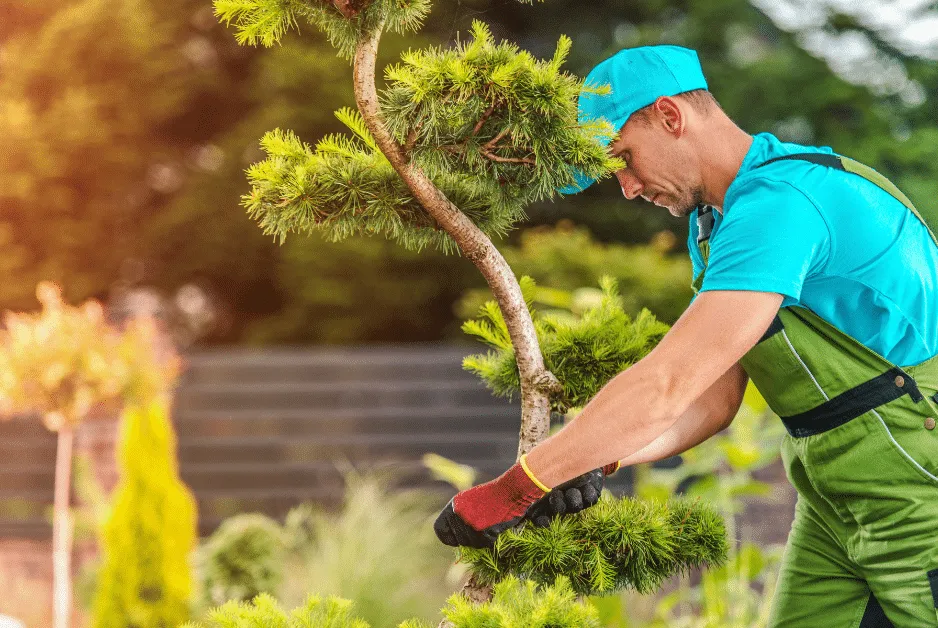
Planting a new tree seems like a simple job. You dig a hole. Place the tree inside. Cover the roots with soil and give it plenty of water. Then you expect the tree to settle in and start growing. But many newly planted trees begin to wilt within days or weeks even when they are watered regularly. Their leaves may become yellow or brown. New growth may stop and the tree may slowly lose its strength. The confusing part is that watering is often not the real problem. A young tree needs healthy roots. Proper planting depth. Good drainage. Suitable soil and enough time to adjust to its new environment.
The most important thing to understand is that a newly planted tree has a limited root system. When a tree is moved from a container or another growing location its roots are disturbed and some roots may be lost. The tree then has to produce new roots while still supporting its leaves and branches. This makes the tree much more sensitive to heat. Wind. Dry soil and poor drainage. Good tree planting therefore means creating the right conditions for roots to recover and spread. Water is essential but water alone cannot repair damaged roots or correct a tree that has been planted incorrectly.
The tree may not be getting enough usable water
One of the most common reasons a new tree struggles is shallow watering. Many people water every day but use only a small amount each time. This wets the surface of the soil while the deeper root zone can remain dry. The tree may therefore show signs of drought stress even though the ground looks wet from above. Newly planted trees need moisture around the root ball and in the surrounding soil where new roots are developing. Water should be applied slowly enough to move into the root zone instead of simply running away across the surface. Checking the soil several inches below the surface is much more reliable than judging moisture by looking at the top layer.
A better approach is to water thoroughly when the root zone actually needs moisture rather than giving the tree a small amount of water every day without checking the soil. The amount of water needed depends on the tree size. Soil type. Recent rainfall and weather conditions. Sandy soil may lose moisture quickly while heavy clay can remain wet for a long time. If the soil below the surface is still moist then watering again may be unnecessary. If it is dry then the tree may need a deeper watering. The goal is to maintain suitable moisture without keeping the soil permanently saturated.
Too much water can damage the roots
Overwatering is another major reason a young tree can die despite receiving plenty of water. Roots need oxygen as well as moisture and healthy soil contains spaces where air can reach the roots. When soil remains saturated for too long those air spaces become filled with water and the roots can become stressed. This is especially common in heavy clay soil or locations where water naturally collects. A tree with damaged roots may wilt even though there is plenty of water around it because unhealthy roots cannot absorb and transport water properly. This is why adding more water whenever leaves wilt can sometimes make the problem worse.
If the soil around your new tree stays wet for long periods then check drainage before increasing the watering schedule. Watch what happens after heavy rain or deep watering. If water remains around the root zone for a long time the site may have a drainage problem. A tree that prefers well drained soil may struggle badly in such a location. Good watering is therefore about balance. The roots need enough moisture to prevent drying but they also need enough oxygen to remain healthy. This balance is one of the most important things to understand when caring for a newly planted tree.
The tree may be planted too deep
Planting depth is one of the easiest problems to overlook because the tree can appear perfectly normal immediately after planting. A tree should not be buried deeply simply because deeper soil seems to provide more support. At the base of the trunk there is normally a natural widening where the trunk connects with the major roots. This area is called the root flare and it should normally be visible at the soil surface. When the root flare is buried the tree may be planted too deeply which can reduce oxygen around the roots and keep the lower trunk in constant contact with damp soil.
Look closely at the base of the trunk if your tree is struggling. If the trunk goes straight into the soil without a visible widening then check whether soil has been placed too high around the tree. Deep planting can cause problems that appear slowly rather than immediately. The tree may survive for a while and then begin showing weak growth. Leaf problems or general decline. Adding more water will not solve this problem because the issue is the position of the root system. If the tree was planted recently and clearly sits too deep then correcting the planting depth may be more important than changing the watering routine.
A narrow or badly prepared planting hole can restrict roots
The planting hole should give the tree a good opportunity to grow roots into the surrounding soil. A hole that is much deeper than the root ball can cause the tree to settle after watering and rainfall. A hole that is too narrow can also make it harder for roots to spread outward. Good planting practice generally focuses on making the hole wider rather than unnecessarily deeper. The root ball should sit at the correct level and the surrounding soil should allow roots to move outward naturally.
The sides of the planting hole can also become hard and smooth when soil is dug with a shovel. This can create a barrier that makes root growth more difficult especially when the surrounding ground is already compacted. Lightly loosening the sides of the hole can help roots move outward. The surrounding soil should also be considered because roots eventually need to grow beyond the original hole. A tree planted in a small pocket of loose soil surrounded by extremely compacted ground may still struggle even if the original planting hole was prepared properly.
Damaged roots may be the hidden reason
Sometimes the problem started before the tree was planted. Roots can be damaged during digging. Transport. Storage or handling. Container grown trees can also develop roots that circle around the inside of the container. If these roots are badly positioned they may not spread naturally after planting. A tree with a damaged or poorly developed root system can therefore struggle to absorb enough moisture even when the soil contains plenty of water. The leaves and branches may look healthy at first because the tree still has stored energy but the decline can become visible later when that energy is used up.
This is why it is important to inspect the root system when planting a container grown tree. The roots should have an opportunity to grow outward into the surrounding soil rather than remaining tightly circling around the old container shape. Severe root problems can be difficult to correct after planting which makes careful handling before planting especially valuable. If a tree begins declining soon after planting despite suitable moisture then root damage should be considered as one possible cause. Not every problem is caused by poor watering and sometimes the roots are where the real issue begins.
Transplant shock can make a healthy tree look unhealthy
A newly planted tree needs time to adjust to its new surroundings. Its roots have been disturbed and the soil around them is different from the soil where the tree was previously growing. The amount of sunlight may also change and the tree may suddenly experience stronger wind or higher temperatures. This stress is commonly called transplant shock and it can cause temporary wilting. Leaf loss. Yellowing or slow growth. Some stress after planting does not automatically mean that the tree is dying.
The best thing you can do during this period is avoid creating additional stress. Keep the soil appropriately moist without making it permanently wet. Protect the trunk from physical damage and avoid unnecessary pruning or digging around the root ball. Give the tree enough time to develop new roots and adjust to its new environment. It is normal for a young tree to focus much of its early energy on root establishment rather than producing large amounts of new growth above the ground. Patience is therefore an important part of caring for a newly planted tree.
Hot weather can quickly stress a young tree
A mature tree has a large root system that can explore a considerable area for water. A newly planted tree does not have that advantage. Its roots are still concentrated around the original root ball and are only beginning to spread into the surrounding soil. During very hot weather the leaves can lose water quickly while the limited root system struggles to replace that moisture. Strong wind can increase water loss even further. This is why a tree that seems perfectly healthy during mild weather can suddenly wilt during a period of extreme heat.
When temperatures rise it is better to pay closer attention to the actual moisture in the root zone rather than blindly following a fixed watering schedule. A tree may need more attention during hot dry conditions but that does not mean it should be kept constantly soaked. Check the soil before watering and consider recent rainfall. If the soil is already wet then additional water may create a drainage problem. If the soil is dry several inches below the surface then deeper watering may be necessary. The right response depends on what is actually happening around the roots.
Poor soil can prevent the tree from establishing
Sometimes the problem has little to do with how much water you provide and much more to do with the condition of the soil. Compacted soil can make it difficult for roots to grow and can also reduce the amount of air available around them. Heavy clay can hold too much moisture while very sandy soil can lose water quickly. Areas affected by construction or repeated foot traffic may have particularly compacted soil that creates a difficult environment for new roots. A tree needs moisture. Oxygen and enough physical space for roots to expand.
This is why simply filling the planting hole with very rich soil is not always the best solution. The roots eventually need to move into the surrounding ground. If the soil inside the hole is dramatically different from the soil outside it then the roots may not spread as naturally as expected. Before planting it is better to understand the condition of the site and improve it when necessary. A healthy root system depends on the entire planting area rather than just the small amount of soil directly around the original root ball.
Grass can compete with a young tree
Grass around a newly planted tree can create more competition than many people realize. Grass has a dense network of roots close to the soil surface and these roots can compete with the young tree for moisture and nutrients. This competition becomes more important during hot or dry weather when available moisture is already limited. Keeping grass and weeds away from the immediate root zone can give the young tree a better opportunity to establish its own roots. A suitable mulch area can also reduce competition and help the soil retain moisture.
There is no need to remove all vegetation from your entire garden. The important point is to create a reasonable area around the young tree where competing plants are controlled. Also be careful when mowing or using equipment near the trunk. Damage to young bark can create an opening for pests and disease and can permanently weaken the tree. A young tree has enough stress from transplanting already so avoiding unnecessary physical damage is a simple way to improve its chances of survival.
Mulch helps when it is used correctly
Mulch can be very helpful for a young tree because it slows evaporation and helps moderate soil temperature. It can also reduce weed growth and protect the soil from becoming compacted by rain. However mulch becomes harmful when it is piled too deeply or placed directly against the trunk. A thick mound around the trunk can keep the bark constantly damp and can create conditions that contribute to decay. Deep mulch can also reduce oxygen near the roots and interfere with normal water movement through the soil.
The best approach is to spread a moderate layer of mulch over the root zone while leaving the trunk and root flare uncovered. Do not create a tall mound around the base of the tree. Check the mulch depth from time to time because old mulch can build up when new layers are repeatedly added. Mulch should help the tree interact with the soil more effectively rather than burying the base of the tree. A simple and even layer is usually much better than a large pile.
The tree may not suit the location
Even excellent care cannot always overcome a poor planting location. Some trees need plenty of sunlight while others tolerate shade. Some species prefer well drained soil while others can handle wetter conditions. A tree that grows into a very large mature plant may also need much more root and branch space than the current planting area provides. Before planting it is therefore important to consider the conditions that the tree will experience for many years rather than only thinking about how the location looks on planting day.
Look at the sunlight. Soil drainage. Available space. Wind exposure and general growing conditions. Think about how large the tree will eventually become and whether the surrounding area can support that size. Choosing a suitable tree for the site is one of the most important parts of successful Tree Planting. When the species and location match each other the tree has a much better chance of establishing strong roots and growing normally.
How should you water a newly planted tree
There is no single watering schedule that works for every newly planted tree because soil. weather. tree size and rainfall are different from one location to another. A commonly recommended approach is to water daily during the first one to two weeks. Then watering can move to every two to three days during weeks three through twelve. After that weekly watering may continue while the tree is becoming established. This is only a general guide and should be adjusted when rainfall is sufficient or when the soil remains wet.
The amount of water matters just as much as frequency. One general recommendation is to provide around 1 to 1.5 gallons of water for each inch of trunk diameter at each watering. This should be treated as a starting point rather than an exact rule because a tree growing in sandy soil may need different care from one growing in heavy clay. Water slowly and apply it across the root zone rather than concentrating everything directly against the trunk. The purpose is to moisten the soil where roots are growing while still allowing the soil to drain properly.
How can you tell what is actually wrong
When a new tree begins to decline despite regular watering it is tempting to change the watering routine immediately. Instead take a few minutes to inspect the whole planting area. Check the soil several inches below the surface and determine whether it is dry or saturated. Look at the base of the tree and make sure the root flare is not buried. Check whether mulch is touching the trunk and see whether grass is competing heavily around the root zone.
Then think about the weather and the way the tree was planted. Recent heat. Strong wind or a sudden dry period can explain rapid wilting. Poor drainage can explain why a tree stays weak despite wet soil. Deep planting can create long term root problems. Damaged roots can make water absorption difficult. Looking at all these factors together gives you a much better chance of finding the actual cause than simply increasing the amount of water.
Give the tree time to establish
A newly planted tree does not become established simply because it survives its first few weeks. Root establishment takes time and the amount of time depends on the size of the tree and its growing conditions. Smaller trees generally establish faster while larger transplanted trees can take several years to develop a well established root system. During this period the tree needs consistent care and protection rather than constant interference.
This means you should continue checking the soil even after the tree begins looking better. Dry weather can still stress a young root system during later seasons. At the same time you should avoid keeping the soil constantly wet just because the tree is still young. The goal is to help the roots gradually move outward and become capable of finding moisture on their own. Once that root system becomes established the tree will usually become much more resilient.
Conclusion
A newly planted tree can die even when you water it regularly because water is only one part of successful tree care. The tree also needs healthy roots. Correct planting depth. Good drainage. Suitable soil. Enough root space and protection from extreme conditions. If any of these factors are wrong then simply adding more water will not solve the underlying problem.
When a young tree starts wilting or losing leaves take a step back and inspect the entire planting area. Check whether the soil is actually dry. Look at the root flare. Check drainage. Pull mulch away from the trunk and consider whether grass is competing with the tree. Think about recent weather and whether the tree is suited to its location. This simple investigation can often reveal a problem that is easy to miss when you focus only on watering.
Good Tree Planting is really about giving a tree the conditions it needs to build a strong root system. Once those roots spread into the surrounding soil the tree becomes much better at finding moisture and nutrients for itself. If you want to understand more about how plants are moved and established in new locations you can read about transplanting and learn why protecting the root system is so important. A strong start can make the difference between a tree that struggles for years and one that grows into a healthy and lasting part of the landscape.
Related Reading
Expert Insights: Navigating the Complex World of Home Improvement
Welcome to our in-depth exploration of Home Improvement. In an era defined by ra...
Why Home Improvement is Transforming the Global Industry Landscape
Welcome to our in-depth exploration of Home Improvement. In an era defined by ra...