Why Modern Engines Demand Better Viscosity Modifier Technology
By Top Polymers
81 Views
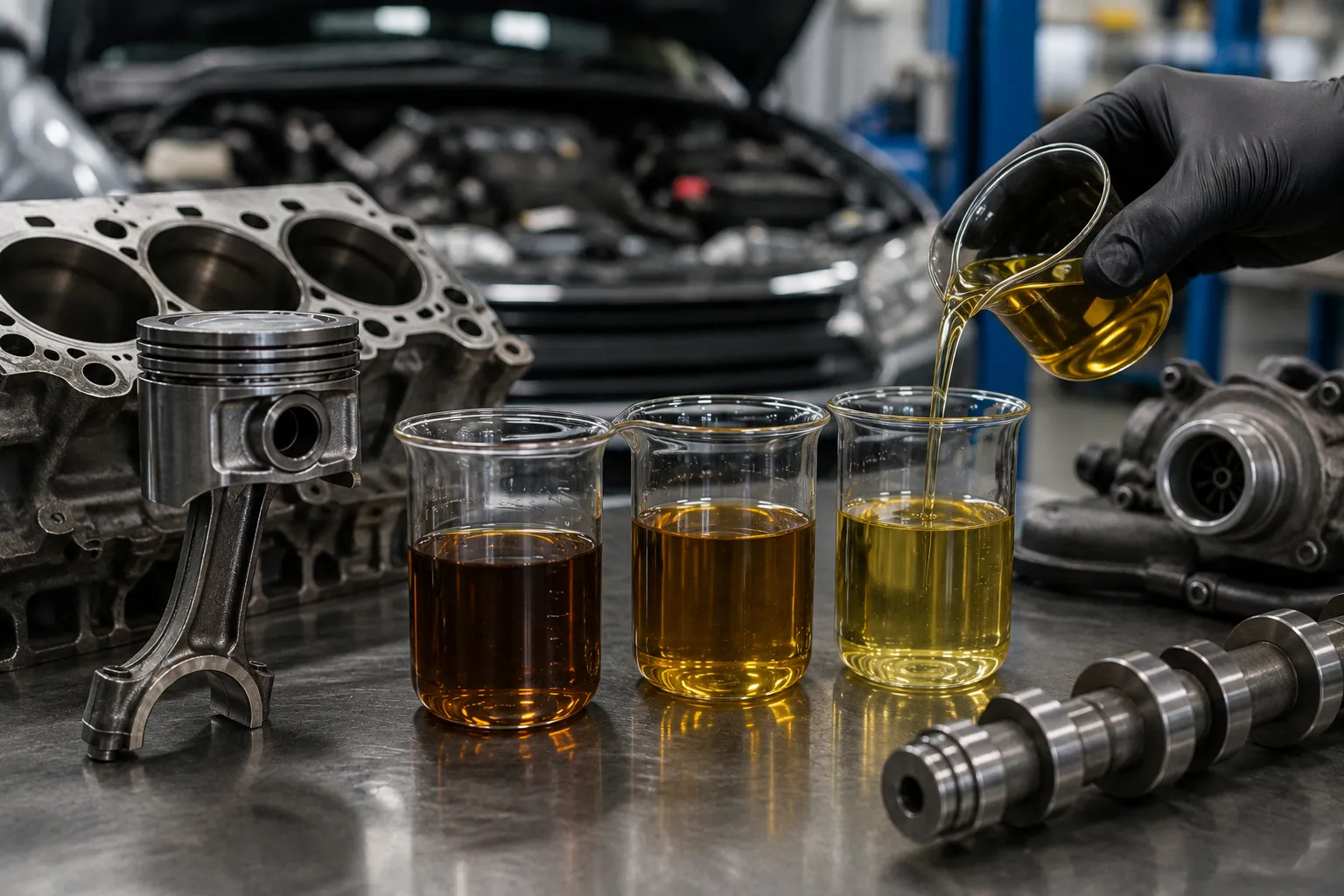
Modern vehicles have come a long way over the past decade. Engines are becoming smaller, more powerful, and significantly more fuel-efficient than their predecessors. At the same time, they operate under greater pressure, higher temperatures, and stricter emission standards. These advancements have raised the bar for engine lubricants, making their performance more critical than ever.
One of the key technologies behind today's high-performing lubricants is viscosity modifiers in engine oil. Although they work behind the scenes, these advanced additives help engine oil maintain the right consistency across a wide range of operating temperatures. For vehicle owners, fleet operators, and industries across the UAE, choosing lubricants formulated with high-quality viscosity modifiers means better engine protection, improved efficiency, and longer equipment life.
Why Engine Oil Performance Matters More Than Ever
Engine oil has always played an important role in reducing friction and protecting moving components. However, modern engines place much greater demands on lubricants than older designs ever did.
Turbochargers, direct fuel injection systems, start-stop technology, and tighter engine tolerances all require oils that can respond quickly while maintaining reliable protection.
If engine oil becomes too thick during cold starts or too thin under high temperatures, it cannot properly protect internal components. This is where advanced viscosity modifier technology becomes essential.
Understanding Viscosity Modifiers
Viscosity refers to how easily an oil flows.
When temperatures are low, oil naturally becomes thicker. As temperatures increase, oil tends to become thinner. Both situations can affect engine performance if the oil loses its ideal consistency.
Modern viscosity modifiers in engine oil are specially engineered polymers that help stabilize viscosity across changing temperatures. They allow oil to flow smoothly during startup while maintaining a strong protective film when the engine reaches full operating temperature.
This balance helps engines perform efficiently under a variety of driving conditions.
Meeting the Challenges of the UAE Climate
The UAE presents one of the most demanding environments for automotive lubricants.
During summer months, ambient temperatures can exceed 45°C, and engine compartments often become significantly hotter during heavy traffic or long-distance driving.
Without effective viscosity control, engine oil may lose some of its protective capability under these extreme conditions.
High-quality viscosity modifiers help lubricants maintain consistent performance even during prolonged exposure to elevated temperatures.
For drivers covering long highway distances or commercial fleets operating throughout the Emirates, this stability provides valuable protection.
Improving Engine Protection
Every engine contains hundreds of moving parts operating at high speed.
As these components interact, friction generates heat and gradually wears metal surfaces.
Advanced viscosity modifiers in engine oil help maintain an effective lubricating film between these moving parts, reducing direct metal-to-metal contact.
This improves protection for critical components such as:
- Pistons
- Bearings
- Camshafts
- Crankshafts
- Valve train systems
Better lubrication contributes to smoother engine operation and longer component life.
Supporting Better Fuel Efficiency
Reducing fuel consumption has become a priority for both vehicle manufacturers and drivers.
Lubricants that maintain the correct viscosity create less internal resistance as engine components move.
Lower friction allows the engine to operate more efficiently, reducing unnecessary energy loss.
Although fuel savings depend on several factors, including vehicle condition and driving habits, properly formulated lubricants can contribute to improved overall efficiency.
For businesses managing vehicle fleets in the UAE, even small efficiency improvements can produce meaningful long-term cost savings.
Extending Engine Life
Engine repairs can be expensive, particularly for commercial vehicles and heavy equipment.
Consistent lubrication is one of the most effective ways to reduce long-term wear.
Modern viscosity modifier technology helps engine oil remain stable throughout its service life, providing dependable protection across changing operating conditions.
This stability reduces the likelihood of excessive wear while supporting longer engine service life.
Routine oil changes combined with quality lubricants remain one of the best investments vehicle owners can make.
Supporting Modern Engine Design
Automotive manufacturers continue introducing more compact, lightweight engines capable of delivering greater performance.
These engines often operate at higher pressures and temperatures than previous generations.
As a result, lubricants must meet increasingly demanding performance standards.
Advanced viscosity modifiers in engine oil help manufacturers formulate oils that satisfy these requirements while remaining compatible with modern engine technologies and manufacturer specifications.
Without these additives, many current engine oil formulations would struggle to provide adequate protection.
Reducing Maintenance Costs
Reliable lubrication does more than protect the engine—it also reduces maintenance expenses.
When engine oil maintains stable viscosity, components experience less wear, helping minimize unexpected repairs and extend service intervals.
This is especially important for commercial fleets, logistics companies, construction businesses, and industrial operators across the UAE, where vehicle downtime directly affects productivity.
Investing in high-quality lubricants often results in lower long-term operating costs.
Choosing the Right Engine Oil
Not all engine oils are formulated the same way.
Vehicle owners should always choose lubricants that meet the manufacturer's recommended specifications and performance standards.
High-quality oils formulated with advanced viscosity modifier technology provide improved stability, reliable protection, and consistent performance across demanding operating conditions.
Working with trusted lubricant suppliers also helps ensure the selected oil matches the vehicle's specific requirements.
Conclusion
Modern engines demand lubricants that perform consistently under increasingly challenging conditions. From extreme temperatures to advanced engine technologies, today's vehicles require oils capable of delivering dependable protection throughout every journey.
High-quality viscosity modifiers in engine oil play a vital role in achieving that performance. They help stabilize oil viscosity, reduce wear, improve fuel efficiency, and extend engine life, making them an essential component of modern lubricant formulations. For drivers and businesses across the UAE, choosing engine oils with advanced viscosity modifier technology is a practical investment in reliability, efficiency, and long-term vehicle performance.
Frequently Asked Questions
What are viscosity modifiers in engine oil?
Viscosity modifiers are advanced polymer additives that help engine oil maintain stable viscosity across different temperatures, improving lubrication and protecting engine components.
Why are viscosity modifiers important?
They prevent engine oil from becoming excessively thin at high temperatures or overly thick during startup, helping maintain reliable lubrication under varying operating conditions.
Do viscosity modifiers improve engine performance?
Yes. By maintaining consistent oil viscosity, they reduce friction, improve engine protection, support fuel efficiency, and contribute to longer engine life.
Related Reading
Top 10 Hidden Secrets About Business & Finance You Need to Know
Welcome to our in-depth exploration of Business & Finance. In an era defined...
Why Business & Finance is Transforming the Global Industry Landscape
Welcome to our in-depth exploration of Business & Finance. In an era defined...