Why Kraft Is the Smart Choice for Sustainable Brands?
By Logan Smith
103 Views
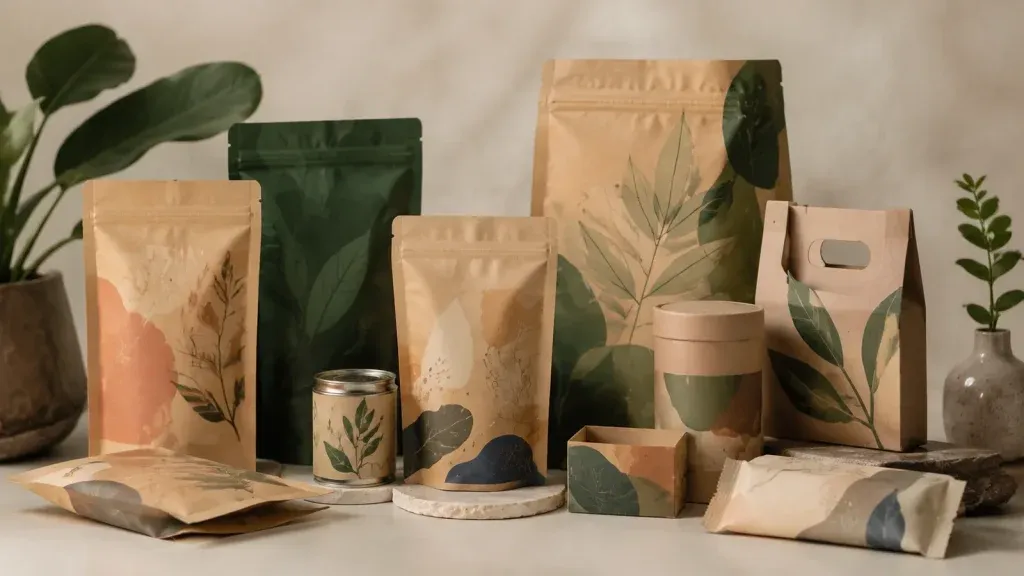
Consumer expectations around packaging sustainability have moved from preference to requirement in many U.S. market segments. In natural food, wellness, beauty, and direct-to-consumer retail, brands that cannot articulate a credible sustainability position in their packaging are increasingly disadvantaged at point of purchase.
Kraft packaging, manufactured from unbleached wood pulp, has become the default material for brands making their first serious commitment to sustainable packaging. This guide examines why, and provides the substantive detail that buyers and brand managers need to make informed sourcing decisions.
What Makes Kraft Packaging Sustainable
Biodegradability
Kraft paper is made from wood fiber, an organic material that decomposes through biological processes. Uncoated kraft paper biodegrades in 2–6 weeks in a commercial composting environment and in 1–2 months in a standard soil environment. This stands in stark contrast to plastic packaging materials, which can persist in the environment for hundreds of years.
The caveat is that 'kraft packaging' is not a monolithic material. Kraft paper laminated with aluminum foil or polyethylene, as used in barrier pouches, is not biodegradable in the same way as unlaminated kraft. Buyers should specify 'unlaminated kraft' or 'compostable kraft' to ensure they're getting the environmental performance they intend.
Recyclability
Uncoated kraft paper is one of the most widely accepted materials in U.S. municipal recycling streams. Paper and cardboard account for approximately 67% of all recycled materials in the U.S. by weight. Most kraft packaging formats, bags, boxes, mailers, tissue, can be placed directly in household recycling without consumer confusion.
This is a meaningful advantage over most plastic packaging formats, which have recycling rates below 10% in the U.S. due to contamination, sorting challenges, and limited end markets for recovered material.
Renewable Raw Material
Kraft paper is manufactured from wood pulp, a renewable resource when forests are managed responsibly. Packaging suppliers sourcing from certified forests (FSC, Forest Stewardship Council, or SFI, Sustainable Forestry Initiative) provide documentation that the raw materials come from managed sources where replanting and sustainable harvesting practices are in place.
The right packaging doesn't just protect, it sells. In consumer surveys, over 60% of U.S. shoppers say they are more likely to purchase from a brand that uses recyclable or sustainable packaging. For brands in natural food and wellness categories, this is a direct conversion driver.
Kraft Packaging Formats and Applications
Kraft Bags and Pouches
Stand-up kraft pouches with resealable zippers are widely used in coffee, tea, snack, and natural food categories. The natural brown aesthetic is immediately recognizable as eco-conscious positioning. Kraft pouches with window panels allow consumers to see the product while maintaining the kraft aesthetic.
Kraft Mailers
E-commerce brands have largely shifted away from plastic poly mailers toward kraft paper mailers in categories where consumer sustainability perception matters. Kraft mailers with self-seal closures provide adequate protection for non-fragile goods in standard carrier transit, and their paper composition makes them curbside recyclable.
Kraft Boxes
Kraft boxes, from small retail cartons to corrugated shipping boxes manufactured with kraft linerboard, signal eco-commitment across the entire packaging system. Kraft-faced corrugated boxes with minimal printing are the packaging system choice of many sustainability-forward direct-to-consumer brands.
Kraft Tissue and Interior Packaging
Shredded kraft tissue and kraft void fill papers replace petroleum-based foam peanuts and plastic bubble wrap for interior packaging. The consumer experience of receiving a product cushioned in kraft tissue rather than plastic foam is meaningfully different and aligns with the sustainability story brands want to tell.
The Brand Communication Value of Kraft
Kraft packaging communicates specific values without a single word of copy: natural, honest, sustainable, artisanal. These associations are not accidental, they have been built through consistent use of kraft materials by brands in natural food, farm-to-table, organic beauty, and handcraft retail categories over several decades.
For brands entering these categories, kraft packaging is a credibility signal. It tells the consumer, before they read a word of label copy, that the brand shares their values. For established brands in adjacent categories looking to reposition toward sustainability, switching packaging to kraft is one of the highest-signal moves available.
Limitations of Kraft Packaging
Honest assessment of kraft requires acknowledging its limitations:
- Barrier performance: standard kraft is not a moisture or oxygen barrier. Products requiring protection from environmental ingress need laminated kraft or a different substrate
- Durability in wet conditions: kraft paper weakens significantly when wet. For products exposed to moisture (ice packs, refrigerated goods, outdoor retail), kraft requires wet-strength treatment or inner liner
- Print fidelity: uncoated kraft absorbs ink, which limits color vibrancy and fine-detail reproduction. Coated kraft papers improve this but reduce biodegradability
- Cost vs. commodity plastic: kraft packaging typically costs more than equivalent plastic formats, though the premium has narrowed as demand has scaled production
Evaluating Kraft Packaging Suppliers
When sourcing kraft packaging, the certifications and claims that matter most include:
- FSC or SFI certification: confirms raw material comes from responsibly managed forests
- Compostability certification: ASTM D6400 (industrial composting) or BPI certification
- Recycled content percentage: percentage of pre- and post-consumer recycled fiber
- Wet-strength additive disclosure: some wet-strength chemicals affect compostability
Alpha Global Packaging offers custom Kraft packaging across multiple formats with printing and customization options designed for brands that need both sustainability credentials and professional brand presentation.
Related Reading
Top 10 Hidden Secrets About Business & Finance You Need to Know
Welcome to our in-depth exploration of Business & Finance. In an era defined...
Why Business & Finance is Transforming the Global Industry Landscape
Welcome to our in-depth exploration of Business & Finance. In an era defined...