Why Is My Air Conditioner Running but Not Cooling My Home?
70 Views
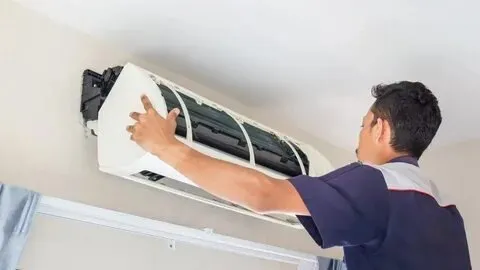
Your air conditioner can run for hours without making your home feel cooler when something prevents it from removing heat properly. The issue may be as simple as a clogged air filter or as serious as a refrigerant leak or failing compressor. Finding the cause early helps prevent higher energy bills and extra wear on the system. Most cooling problems have clear warning signs, and understanding them makes it easier to decide whether you can fix the issue yourself or should call a qualified HVAC technician.
Start With the Simple Things First
Many homeowners assume the worst when their air conditioner keeps running but the house stays warm. I have seen plenty of service calls where the problem turned out to be something small that could have been found in just a few minutes. Before worrying about expensive repairs, check the thermostat settings, make sure the air filter is clean, and confirm that all supply vents are open.
If you have searched for ac repair New Braunfels, you are probably dealing with hot indoor temperatures during a Texas summer. Start by setting the thermostat to "Cool" and lowering the temperature a few degrees below the current room temperature. Listen for the outdoor unit to start, then check whether cool air is coming from the vents. These basic checks often point you in the right direction before more advanced troubleshooting begins.
A Dirty Air Filter Can Restrict Airflow
One of the most common cooling problems is a clogged air filter. When dust and debris block airflow, your system cannot move enough conditioned air through the home. The equipment keeps running, but the rooms never reach the desired temperature.
I always tell homeowners to inspect the filter before assuming the equipment has failed. A clean filter improves airflow, helps protect the blower motor, and reduces strain on the entire system. Replacing it every one to three months, depending on use and indoor conditions, is one of the easiest ways to keep an air conditioner working efficiently.
Low Refrigerant Can Reduce Cooling Performance
Refrigerant is what allows your air conditioner to absorb heat from inside your home and release it outdoors. If the system develops a leak, cooling performance drops because there is not enough refrigerant to complete the cooling cycle. Unlike fuel, refrigerant is not supposed to run out during normal operation.
Signs of low refrigerant often include warm air from the vents, ice forming on the indoor coil, and longer cooling cycles. Since handling refrigerant requires specialized equipment and licensing, this is a repair that should always be left to a trained HVAC professional.
Frozen Evaporator Coils Can Stop Cooling
An evaporator coil needs proper airflow and the correct refrigerant level to work as designed. If airflow becomes restricted or refrigerant levels fall too low, moisture on the coil can freeze into ice. Once that happens, the system loses its ability to cool effectively.
I have seen homeowners mistake this problem for a broken thermostat because the air conditioner continues running. Turning the system off and allowing the ice to melt may restore airflow temporarily, but the underlying issue still needs to be identified and corrected before the problem returns.
Problems With the Outdoor Condenser Unit
Your outdoor condenser releases the heat collected from inside your home. If the unit is covered with dirt, blocked by plants, or has damaged components, heat cannot escape efficiently. The system keeps operating, but indoor temperatures remain uncomfortable.
Keep at least two feet of open space around the outdoor unit and gently remove leaves, grass clippings, and debris. During one maintenance visit with APEX Electrical A/C And Heating LLC, I watched a technician restore airflow simply by cleaning years of buildup from the condenser coils. The equipment immediately operated more efficiently because heat could move away from the system again.
Electrical Problems Can Interrupt Normal Operation
Air conditioners depend on several electrical parts working together. A failed capacitor, worn contactor, damaged wiring, or weak electrical connection can prevent the compressor or fan from operating correctly. Sometimes the indoor blower runs while the outdoor unit does not, creating the impression that the system is cooling when it really is not.
Watch for warning signs such as buzzing sounds, clicking noises, or breakers that trip repeatedly. Electrical repairs involve safety risks and should always be handled by a qualified technician instead of becoming a do it yourself project.
Signs That Help Identify the Problem
Certain symptoms often point toward specific cooling issues. Paying attention to these details helps narrow down the possible cause before scheduling service.
- Warm air is blowing from supply vents.
- Weak airflow is reaching some rooms.
- Ice forms on indoor refrigerant lines or coils.
- The outdoor unit runs constantly without lowering indoor temperatures.
- Energy bills suddenly increase without changes in weather.
- Strange sounds or unusual odors appear during operation.
These warning signs should never be ignored because small issues often become expensive repairs when left unresolved.
When the Thermostat Is the Real Problem
A thermostat acts as the control center for the entire cooling system. If it reads temperatures incorrectly or has faulty wiring, the air conditioner may receive the wrong commands. That can cause short cycling, nonstop operation, or poor temperature control throughout the house.
I recommend checking thermostat batteries first if your model uses them. Also make sure the thermostat is not exposed to direct sunlight or located near appliances that produce heat. Incorrect temperature readings can cause the system to run longer than necessary without making your home comfortable.
Regular Maintenance Prevents Many Cooling Problems
Routine maintenance solves many issues before they interrupt your comfort. A seasonal inspection gives technicians the opportunity to clean coils, inspect electrical components, check refrigerant pressure, test airflow, and identify worn parts before they fail.
From my experience, homeowners who schedule regular maintenance usually deal with fewer emergency repairs and enjoy more reliable cooling throughout the summer. Small adjustments made during an inspection often improve efficiency, reduce operating costs, and extend the life of the equipment.
Knowing When to Call a Professional
Some air conditioning problems have simple solutions, but others require specialized tools and training. If changing the air filter, checking the thermostat, and confirming airflow do not solve the issue, it is time for a professional inspection. Refrigerant leaks, compressor failures, electrical faults, and frozen coils all require proper diagnosis.
An air conditioner that runs without cooling is sending a clear signal that something is wrong. Addressing the problem early helps protect your system, lowers energy waste, and restores comfort before a minor issue develops into a major repair. A careful inspection is often the fastest way to identify the cause and return your home to a cool, comfortable temperature.
Related Reading
Expert Insights: Navigating the Complex World of Home Improvement
Welcome to our in-depth exploration of Home Improvement. In an era defined by ra...
Why Home Improvement is Transforming the Global Industry Landscape
Welcome to our in-depth exploration of Home Improvement. In an era defined by ra...