Why Hospitality Designers Need Better FF&E Documentation Tools
By stevewood
147 Views
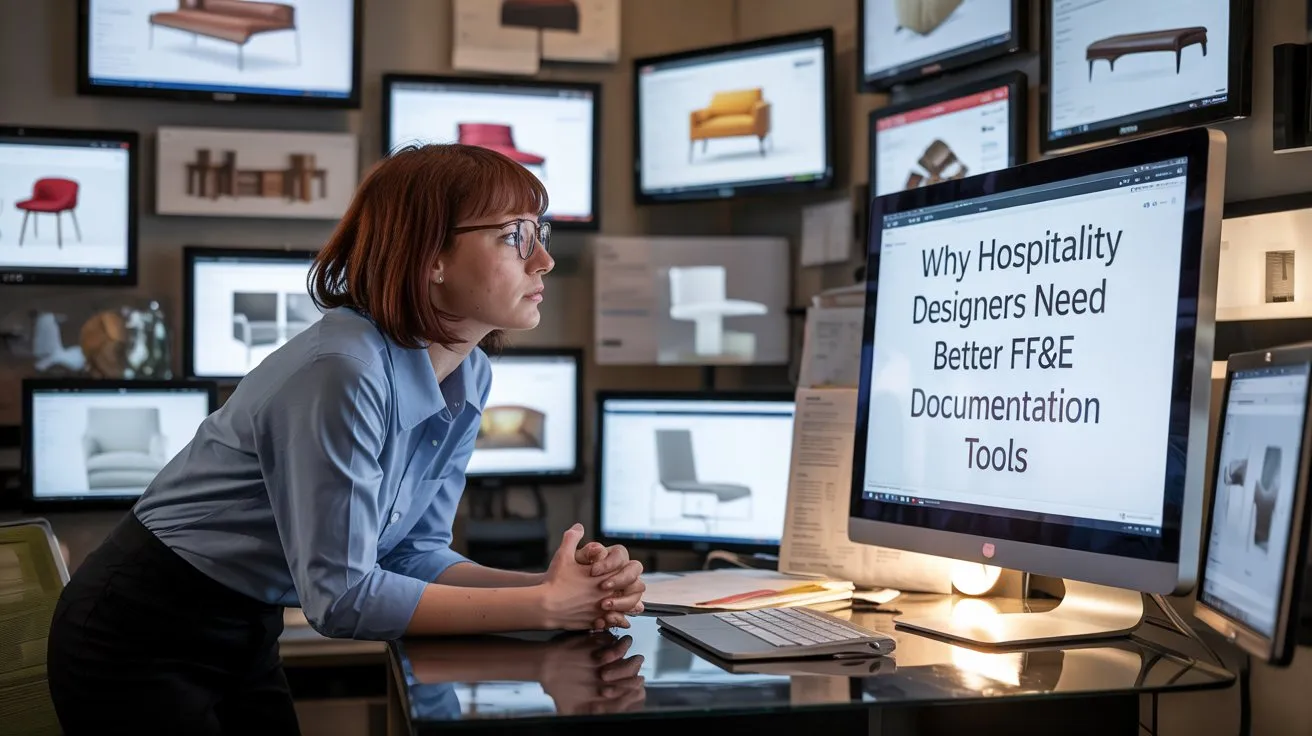
Hospitality design has always been about creating experiences. A guest may never notice the exact stitching on a lounge chair, the finish code of a bedside lamp, or the sourcing timeline of a custom reception desk—but they feel the result of every detail. In hotels, resorts, restaurants, and luxury spaces, design is not simply decoration. It shapes emotion, comfort, memory, and brand identity.
Behind these carefully curated environments lies an enormous operational challenge: FF&E documentation. Furniture, fixtures, and equipment specifications are the hidden framework that keeps hospitality projects organized from concept to installation. Yet many hospitality designers still rely on outdated systems that slow down workflows, create communication gaps, and increase the risk of expensive mistakes.
As hospitality projects become more ambitious and globally connected, the industry is reaching a turning point. Designers no longer need documentation tools that simply store information—they need intelligent systems that support creativity, collaboration, procurement, and precision simultaneously.
The Complexity of Hospitality Projects Has Changed
Hospitality design projects are unlike most other interior design sectors. A residential project may involve a limited number of rooms and products, but a hospitality environment can include hundreds or even thousands of furniture and fixture items spread across guest rooms, restaurants, spas, lobbies, conference areas, and outdoor spaces.
Every piece must align with the brand identity while meeting operational requirements, safety standards, durability expectations, and procurement timelines. A single hotel project may involve dozens of vendors, manufacturers, consultants, and contractors across multiple countries.
This level of complexity makes documentation one of the most critical parts of the project lifecycle. Without organized specifications, even the most visually stunning design concept can collapse under logistical pressure.
Unfortunately, many firms still depend on disconnected spreadsheets, PDFs, emails, and manual tracking systems that were never built for modern hospitality demands.
Why Traditional Documentation Methods No Longer Work
For years, hospitality designers managed specifications manually because there were limited alternatives. Teams copied product details into spreadsheets, attached vendor images to presentations, and updated procurement changes through endless email chains.
At first glance, these systems may appear manageable. However, as projects grow larger, the weaknesses become impossible to ignore.
Manual workflows create version confusion, duplicate data entry, inconsistent formatting, and delayed approvals. One outdated product dimension or incorrect finish code can trigger procurement delays that affect installation schedules and project budgets.
Hospitality projects also move quickly. Vendors update lead times, clients revise selections, and supply chain conditions change unexpectedly. Static documents cannot keep pace with this environment.
That is why many firms are now turning toward smarter solutions like FF&E Specification Software to improve organization, reduce errors, and create a more connected documentation process from design development to final installation.
Better Documentation Improves Design Accuracy
Hospitality designers spend months refining the guest experience. They carefully select materials, textures, lighting, furniture proportions, and finishes to create a cohesive atmosphere. However, without accurate documentation, that creative vision can easily become compromised during execution.
Better documentation tools help preserve design intent. They allow teams to centralize product information, maintain consistency across all project phases, and instantly update specifications when revisions occur.
Instead of relying on fragmented files, designers can access one connected system that stores dimensions, finish details, vendor contacts, pricing, installation requirements, and procurement status in a single location.
This level of organization minimizes confusion between design teams, procurement specialists, contractors, and suppliers. When everyone works from the same updated information, projects move more smoothly and accurately.
Procurement Has Become More Complicated Than Ever
The hospitality industry has experienced major procurement challenges in recent years. Supply chain disruptions, material shortages, shipping delays, and fluctuating costs have forced designers to rethink how they manage product sourcing.
In the past, teams could often rely on stable timelines and predictable inventory. Today, product availability can change within days.
This is where better documentation tools become essential. Modern systems allow designers to track procurement statuses in real time, monitor lead times, and quickly identify alternative products when delays occur.
Instead of reacting to problems late in the process, hospitality firms can make proactive decisions that protect project schedules and client expectations.
The ability to adapt quickly has become one of the most valuable competitive advantages in hospitality design.
Collaboration Is the New Foundation of Design
Hospitality projects involve an unusually large network of stakeholders. Interior designers work alongside architects, branding teams, procurement managers, hotel operators, lighting consultants, contractors, and ownership groups.
Without centralized documentation, communication often becomes fragmented. One team may work from outdated files while another references revised specifications. This disconnect creates costly misunderstandings during procurement and installation.
Better FF&E documentation tools solve this problem by improving collaboration across departments and locations. Cloud-based systems allow teams to review updates in real time, ensuring everyone has access to the latest information.
This collaborative approach is especially important for international hospitality projects where vendors and project managers may operate in different time zones. Instant access to accurate specifications reduces delays and improves accountability throughout the project lifecycle.
Clients Expect Greater Transparency
Modern hospitality clients are more involved in the design process than ever before. Hotel owners and developers want visibility into budgets, procurement timelines, approvals, and product selections throughout the project.
Traditional documentation systems often make this difficult because information is scattered across multiple platforms. Designers may spend hours creating reports manually just to answer simple client questions.
Advanced documentation tools improve transparency by organizing project data into accessible, easy-to-understand formats. Clients can review approved selections, monitor procurement progress, and understand how design decisions affect budgets and timelines.
This transparency builds trust and strengthens client relationships. It also positions design firms as highly organized and operationally sophisticated partners.
Sustainability Demands Smarter Documentation
Sustainability is becoming a major priority in hospitality design. Hotels and resorts are increasingly focused on environmentally responsible materials, energy efficiency, and ethical sourcing practices.
As sustainability standards evolve, documentation requirements are becoming more detailed. Designers must track certifications, recycled content, manufacturing origins, durability ratings, and environmental compliance information for countless products.
Managing this level of detail manually is both time-consuming and risky.
Smarter FF&E documentation systems help hospitality firms organize sustainability data efficiently while supporting green building initiatives and eco-conscious design strategies.
Future-focused firms understand that sustainability is no longer optional—it is part of the guest experience and brand identity.
Technology Should Support Creativity, Not Replace It
Some designers worry that technology may reduce creativity by making the design process feel overly technical. In reality, better documentation tools do the opposite.
When repetitive administrative tasks are automated, designers gain more time to focus on storytelling, concept development, and guest experience innovation.
Instead of spending hours updating spreadsheets or correcting procurement errors, teams can dedicate more energy to creating memorable hospitality environments.
Technology works best when it supports the creative process behind the scenes. The goal is not to replace human design thinking but to remove operational friction that limits productivity and innovation.
Hospitality design will always depend on emotional intelligence, aesthetic sensitivity, and cultural understanding—qualities that technology alone cannot replicate.
The Future of Hospitality Design Is Data-Driven
The future of hospitality design will be heavily influenced by data intelligence. Better documentation systems allow firms to collect valuable insights from past projects, helping teams make smarter decisions in the future.
By analyzing procurement histories, vendor performance, installation timelines, and material durability, firms can identify patterns that improve project planning and operational efficiency.
Data-driven insights also help designers balance creativity with practicality. Teams can make informed product selections based not only on aesthetics but also on long-term performance, maintenance requirements, and procurement reliability.
As hospitality projects continue to scale globally, firms that leverage data effectively will have a significant advantage in both efficiency and profitability.
Better Tools Create Better Guest Experiences
At its core, hospitality design is about people. Guests may never see the complexity behind FF&E documentation, but they experience its impact every time they enter a well-designed space.
Accurate specifications help ensure furniture arrives on time, finishes match design intent, lighting performs correctly, and spaces feel cohesive from room to room.
Poor documentation creates delays, inconsistencies, and operational stress that ultimately affect the guest experience.
Better tools allow hospitality designers to focus less on administrative chaos and more on delivering spaces that feel immersive, comfortable, and unforgettable.
Conclusion
Hospitality design is evolving rapidly, and the demands placed on design firms are greater than ever before. As projects become larger, faster, and more globally connected, traditional documentation methods can no longer support the complexity of modern hospitality environments.
Better FF&E documentation tools are not simply about organization—they are about protecting creativity, improving collaboration, reducing costly mistakes, and delivering exceptional guest experiences.
Firms that invest in smarter documentation systems will be better positioned to manage procurement challenges, support sustainability goals, and maintain accuracy across every phase of a project.
In the future of hospitality design, success will not depend only on beautiful concepts. It will depend on how effectively firms transform those concepts into coordinated, executable realities through intelligent documentation.