Why Historic Preservation Matters When National Landmarks Are Changed
By Bonfire
4 Views
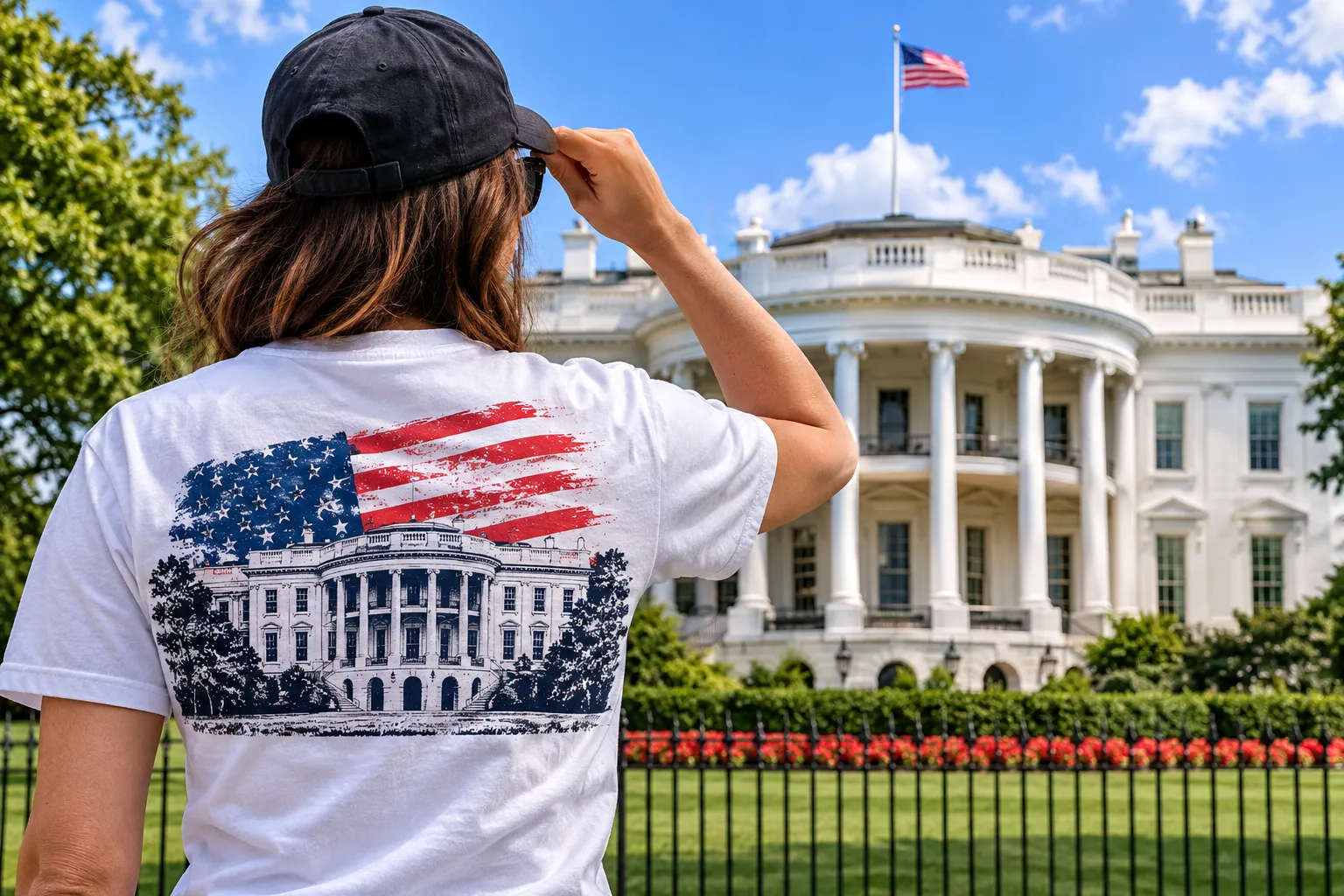
Historic landmarks are more than impressive buildings, recognizable monuments, or popular tourist destinations. They are physical reminders of the people, decisions, struggles, and achievements that have shaped a nation's identity. From government buildings to historic public spaces, these places connect present-day communities with important moments from the past. However, when nationally recognized landmarks undergo major renovations or architectural changes, important questions arise: How much change is appropriate? Who should have a voice in these decisions? And what responsibilities do we have to protect places that belong to the nation's shared history?
Historic preservation helps answer these questions by encouraging thoughtful planning, public awareness, and respect for cultural heritage. It does not mean preventing every improvement. Instead, it means recognizing that historic places carry significance that cannot always be recreated once their original character is lost.
1. Historic Landmarks Preserve a Nation's Collective Memory
Every historic landmark tells a story. Its architecture, materials, design, and surrounding environment often reflect the political, social, and cultural conditions of the period in which it was created. These physical details provide valuable information that photographs, books, and digital records cannot fully replace.
Consider the White House. Beyond serving as the official residence and workplace of the American president, it represents centuries of presidential history, national traditions, and important public events. Its rooms, exterior features, and surrounding grounds have witnessed decisions that influenced the country and the wider world.
Preserving such places allows future generations to experience history through authentic physical surroundings. When distinctive architectural elements are removed or substantially changed, part of that historical connection may disappear.
Protecting landmarks therefore means protecting more than bricks and stone. It means maintaining a tangible connection to the events and experiences that helped shape national identity.
2. Architectural Heritage Deserves Thoughtful Protection
Historic architecture reflects the craftsmanship, materials, engineering techniques, and artistic preferences of different generations. Older buildings frequently contain details that are difficult or expensive to reproduce using modern construction methods.
Preservation professionals emphasize maintaining distinctive materials and architectural features whenever possible. The National Park Service's Secretary of the Interior's Standards for the Treatment of Historic Properties provides guidance on preserving, rehabilitating, restoring, and reconstructing historic structures.
These standards recognize that historic buildings can sometimes accommodate modern needs without sacrificing their defining characteristics.
For example, updating electrical systems, improving accessibility, strengthening structural components, and introducing energy-efficient technology may be necessary. However, these improvements should be carefully planned so that important historical features remain protected.
This balanced approach demonstrates that modernization and preservation do not have to compete. Responsible renovation can improve a building's functionality while respecting the architectural qualities that make it historically important.
3. Public Landmarks Require Public Accountability
National landmarks often represent institutions and values that extend beyond the individuals temporarily responsible for managing them. Their historical importance gives the public a legitimate interest in understanding how major changes are proposed, evaluated, and approved.
Large renovation projects can involve substantial budgets, architectural decisions, environmental considerations, and long-term consequences. Transparent planning helps communities understand why changes are necessary and whether less disruptive alternatives have been considered.
Public accountability is particularly important when a landmark has strong national or cultural significance. Government officials, preservation specialists, architects, historians, and community representatives can contribute different perspectives to the decision-making process.
The National Historic Preservation Act established an important framework for recognizing and considering historic properties in federal planning. Its broader principle is that historic resources deserve meaningful consideration rather than being treated as ordinary construction sites.
Citizens also have opportunities to express their views through public discussions, journalism, civic organizations, and peaceful demonstrations. Wearing a White House renovation commentary shirt can be one informal way to participate in that wider cultural conversation.
4. Preservation Protects Cultural Identity for Future Generations
A historic landmark belongs to more than the generation that currently uses it. Its importance often develops over decades or centuries, making preservation a responsibility that extends into the future.
Future generations deserve the opportunity to understand historical places through their original features and surviving architectural details. Once significant elements are demolished or permanently altered, restoring them accurately may be difficult or impossible.
Preservation also encourages people to examine history from multiple perspectives. Some landmarks represent national achievements, while others reflect difficult chapters involving inequality, conflict, or social change. Keeping these places accessible allows society to study the past honestly rather than simply celebrating selected moments.
This educational value makes preservation especially important for schools, researchers, historians, and visitors. A well-maintained historic property can serve as a living classroom, encouraging curiosity and informed discussion.
Choosing history-inspired political design is another way individuals can communicate their interest in historical identity, civic participation, and the decisions shaping nationally significant places.
5. Responsible Renovation Balances Progress With Preservation
One common misunderstanding is that historic preservation means refusing to modernize. In reality, preservation experts recognize several approaches to managing historic properties.
Preservation focuses on maintaining existing historic materials and features. Rehabilitation allows compatible alterations that support continued use while retaining significant historical characteristics. Restoration aims to represent a property during a particular period, while reconstruction recreates a documented historic appearance when necessary.
The appropriate approach depends on the property's significance, physical condition, available historical documentation, and intended future use.
These distinctions matter because not every renovation project creates the same level of historical impact. A carefully designed accessibility improvement is different from removing a distinctive architectural feature simply to accommodate a new aesthetic preference.
Good planning begins with research, professional assessments, documentation, and consideration of alternatives. It also requires recognizing that convenience, appearance, and short-term political priorities should not automatically outweigh long-term cultural value.
A thoughtful landmark preservation statement tee can reflect this broader idea: progress deserves consideration, but so does the responsibility to protect historically meaningful places.
6. Public Awareness Keeps Preservation Conversations Alive
Historic preservation is not exclusively the responsibility of architects, government agencies, or professional historians. Ordinary citizens also influence how communities understand and protect their shared heritage.
People can support preservation by visiting historic sites, learning about local history, following public renovation proposals, attending community meetings, and supporting organizations dedicated to cultural conservation.
Social media and independent creative expression have also created new ways to discuss public issues. Clothing, artwork, photography, and other forms of visual communication can introduce historical topics to audiences who might not regularly follow preservation debates.
The important point is to encourage informed discussion rather than treating every architectural change as automatically harmful or every modernization project as unquestionably beneficial.
A healthy preservation culture welcomes questions, examines evidence, and considers the long-term consequences of decisions affecting nationally important places.
Conclusion: Protecting History While Building the Future
Historic landmarks connect generations through architecture, public memory, and shared cultural experiences. Their preservation is not about freezing society in the past. It is about making thoughtful choices so that modernization does not unnecessarily erase the historical qualities that give important places their meaning.
Whether discussing the White House or another nationally recognized landmark, the central questions remain relevant: What makes this place historically significant? What changes are genuinely necessary? And how can its character be protected for those who will inherit it?
Ultimately, responsible preservation recognizes that some things are difficult to replace. By encouraging transparency, professional planning, and public participation, society can continue developing while respecting the landmarks that help tell its story.
Related Reading
Why Lifestyle & Culture is Transforming the Global Industry Landscape
Welcome to our in-depth exploration of Lifestyle & Culture. In an era define...
Expert Insights: Navigating the Complex World of Lifestyle & Culture
Welcome to our in-depth exploration of Lifestyle & Culture. In an era define...