Why Every Montessori Classroom Uses Wooden Block Stacking Activities
159 Views
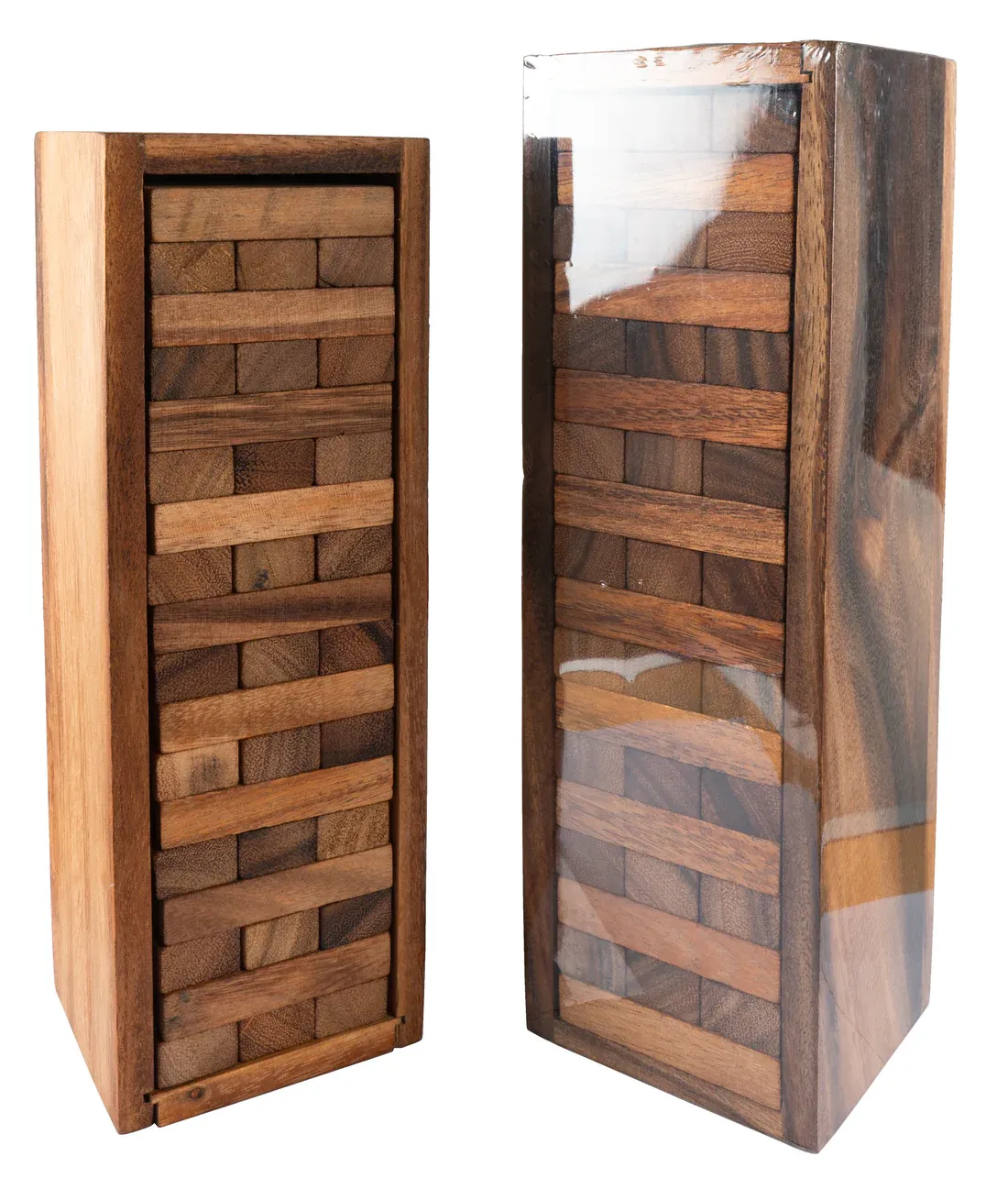
Montessori education focuses on hands-on learning, creativity, and practical life skills. One activity that appears in almost every Montessori setting is wooden block stacking. Simple wooden blocks may look basic at first glance, yet this timeless learning tool helps children build important physical, social, and cognitive skills from an early age.
Parents and teachers continue to choose wooden toys because natural materials encourage better focus and imaginative play. Unlike noisy plastic alternatives, wooden blocks offer a calm and engaging learning experience. At CCcollections, natural and thoughtfully designed products remain a popular choice for families who value quality educational materials.
The Importance of Wooden Block Stacking in Montessori Learning
The Montessori method encourages children to explore independently. Wooden block stacking activities fit perfectly into this learning style because children can build, balance, sort, and create without complicated instructions.
Blocks help improve:
- Hand-eye coordination
- Fine motor skills
- Concentration
- Problem-solving abilities
- Spatial awareness
- Creativity
A child learns through trial and error while stacking blocks. If a tower falls, the child naturally tries again and discovers better ways to balance shapes and sizes. This process develops patience and confidence.
Why Wooden Toys Are Preferred
Montessori classrooms often avoid bright flashing toys because excessive stimulation can distract from learning. Wooden toys provide a more natural sensory experience.
Wooden blocks feel smooth, solid, and comfortable in small hands. The weight and texture help children understand balance and control. Natural wood also creates a calming classroom environment.
Many parents now prefer eco-friendly products that last longer than plastic toys. Quality wooden items can remain useful for years and may even pass from one generation to another.

Encouraging Creativity Through Open-Ended Play
One major advantage of wooden block stacking activities is open-ended play. Blocks do not limit imagination. A child can create towers, bridges, castles, roads, houses, or abstract structures.
Open-ended toys support independent thinking because no single “correct” result exists. Creativity develops naturally when children experiment freely.
This type of play also improves communication skills during group activities. Children often discuss ideas, share blocks, and collaborate on building projects.
Supporting Fine Motor Development
Fine motor skills are essential during early childhood. Stacking blocks requires careful movement and control of fingers and hands.
Repeated practice helps strengthen muscles needed for:
- Writing
- Drawing
- Using scissors
- Buttoning clothes
- Holding utensils
Montessori classrooms introduce activities that gradually improve coordination. Wooden blocks remain one of the simplest and most effective tools for this purpose.
Learning Basic Maths and Science Concepts
Many educational benefits come from block play. While building structures, children begin understanding:
- Size comparison
- Height
- Weight
- Symmetry
- Balance
- Counting
- Shapes
A child may notice that larger blocks work better at the bottom of a tower. This introduces early engineering concepts without formal lessons.
Teachers often combine blocks with counting activities to introduce basic mathematics in a fun and practical way.
Improving Concentration and Patience
Modern distractions can reduce attention spans in young children. Montessori learning encourages focused activities that require calm concentration.
Wooden block stacking naturally develops patience because building stable structures takes time and careful effort. Children often become deeply engaged while experimenting with designs and balancing blocks.
This focused play supports emotional regulation and independent learning habits.
Safe and Sustainable Learning Materials
Safety is another reason wooden materials remain popular in Montessori environments. High-quality wooden blocks are durable and less likely to break into small dangerous pieces.
Natural products are also more environmentally friendly. Many parents now prefer sustainable alternatives instead of mass-produced plastic toys.
Educational households often pair wooden toys with other natural household products such as:
- Cotton storage baskets
- Bamboo trays
- Wooden puzzles
- A chopping board teak accessory for practical kitchen learning
These materials create a warm and organised learning environment.
Montessori Activities Beyond the Classroom
Wooden learning tools are not limited to schools. Many families now create Montessori-inspired spaces at home.
Simple home activities may include:
- Sorting wooden shapes
- Building towers
- Creating obstacle courses
- Matching colours
- Counting blocks
Parents often combine educational toys with practical daily items to support independent routines. A reusable sling bottle can also encourage self-care habits during playtime and outdoor learning activities.
Social Development Through Group Building
Block activities become even more valuable during group play. Children learn:
- Sharing
- Cooperation
- Communication
- Leadership
- Listening skills
A group project teaches how to work together toward a common goal. One child may build the base while another adds details to the structure.
These interactions help develop confidence and social understanding from an early age.
Why Parents Continue Choosing Wooden Educational Toys
Educational trends change regularly, yet wooden toys remain popular because of long-term value and developmental benefits.
Parents appreciate:
- Durability
- Natural materials
- Timeless design
- Educational value
- Reduced screen time
Many families now prefer minimalist toys that encourage imagination instead of electronic entertainment.
Natural wooden learning products from brands such as CCcollections continue gaining attention among parents who want practical and sustainable educational resources.
Choosing the Right Wooden Blocks
Not all wooden blocks are identical. Good Montessori materials should be:
- Smooth and splinter-free
- Safe for children
- Easy to hold
- Durable
- Non-toxic
Simple designs often work best because children can use imagination more freely.
Large sets with different shapes and sizes provide greater opportunities for creative learning and problem-solving.
Conclusion
The popularity of wooden block stacking in Montessori classrooms comes from its ability to support learning in many different ways. From improving motor skills to encouraging creativity and concentration, wooden blocks remain one of the most valuable educational tools for early childhood development.
Natural materials help create calm learning environments while encouraging independent exploration. Whether used in classrooms or at home, wooden block activities continue helping children build confidence, patience, and essential life skills through simple hands-on play.
Parents looking for thoughtful educational products and natural lifestyle items often explore collections from CCcollections to support creative and practical learning experiences.
FAQ
Why is wooden block stacking important in Montessori education?
Wooden block stacking helps children develop fine motor skills, concentration, creativity, and problem-solving abilities through hands-on learning activities.
At what age can children start using wooden blocks?
Most children can begin using large wooden blocks from around 12 months old with supervision. More advanced stacking activities become suitable as coordination improves.
Are wooden blocks better than plastic blocks?
Many parents and teachers prefer wooden blocks because natural materials are durable, environmentally friendly, and provide a calmer sensory experience.
How do wooden blocks improve learning?
Wooden blocks introduce early maths, balance, spatial awareness, and engineering concepts while encouraging independent play and creativity.
Related Reading
Why Lifestyle & Culture is Transforming the Global Industry Landscape
Welcome to our in-depth exploration of Lifestyle & Culture. In an era define...
Expert Insights: Navigating the Complex World of Lifestyle & Culture
Welcome to our in-depth exploration of Lifestyle & Culture. In an era define...