Why Does My Car Clunk When I Accelerate or Brake?
By a1driveshafts
5 Views
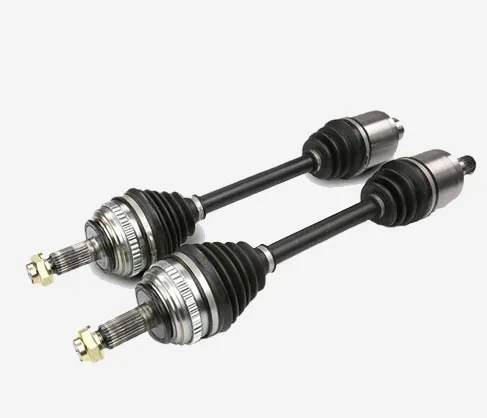
A clunking noise when accelerating or braking can be unsettling, particularly when it suddenly appears in a vehicle that normally drives smoothly. You may hear a single knock when taking off, a clunk when releasing the accelerator, or a noticeable noise when braking and coming to a stop.
While some movement within a vehicle's driveline is normal, a new or increasingly loud clunk shouldn't be ignored. The sound can come from several areas, including the driveline, suspension, engine mounts, transmission or steering system.
Understanding the possible causes can help you recognise when your vehicle needs professional attention.
Why Does a Car Clunk During Acceleration or Braking?
Acceleration and braking both change the forces acting on the vehicle.
When you accelerate, engine torque is transferred through the transmission and driveline to the wheels. When you suddenly release the accelerator or apply the brakes, those forces change direction.
If a component has excessive movement or wear, this change in load can produce a noticeable clunk.
Potential causes include:
- Worn universal joints.
- Drive shaft movement.
- Tailshaft problems.
- Worn engine or transmission mounts.
- Differential wear.
- Suspension components.
- CV joint wear.
- Loose or damaged mounting points.
The location and timing of the sound can provide useful clues, but a professional inspection is needed to identify the actual cause.
1. Worn Universal Joints
Universal joints allow a drive shaft or tailshaft to operate through changing angles while transferring power.
Over time, they can develop excessive play.
This may cause a clunk when:
- Accelerating from a stop.
- Releasing the accelerator.
- Changing gears.
- Moving between reverse and drive.
You may also notice vibration or shuddering under load.
If the universal joint has significant wear, professional drive shaft repairs Melbourne may be required to restore smooth power transfer.
2. Excessive Driveline Slack
A small amount of movement between driveline components is normal. However, excessive play can become noticeable when torque changes direction.
For example, you might hear a clunk when you:
- Accelerate.
- Release the accelerator.
- Accelerate again.
This can happen because worn components have additional clearance that gets taken up as the direction of force changes.
Potential sources include the tailshaft, universal joints, differential, CV joints and other connections.
3. Worn Engine or Transmission Mounts
Not every clunk comes from the driveline.
Engine and transmission mounts help hold the powertrain in position while controlling normal movement.
When a mount becomes worn or damaged, the engine or transmission can move more than intended.
You may notice:
- A thump when accelerating.
- A clunk when braking.
- Increased cabin vibration.
- Excessive engine movement.
- A knock when changing gears.
A technician can inspect the mounts to determine whether they are contributing to the noise.
4. Tailshaft Problems
Vehicles equipped with a tailshaft can develop clunking when components become worn or damaged.
Possible causes include:
- Worn universal joints.
- Centre bearing wear.
- Loose connections.
- Damaged flanges.
- Incorrect alignment.
- Physical damage.
If the tailshaft is responsible, professional tailshaft repairs Melbourne can help determine whether individual components can be repaired or whether replacement is more appropriate.
5. Tailshaft Imbalance
An unbalanced tailshaft usually produces vibration rather than a simple clunk, but both problems can sometimes occur together.
You may notice:
- Vibration at certain speeds.
- Shuddering during acceleration.
- Humming underneath the vehicle.
- Increased vibration under load.
Professional tailshaft balancing Melbourne can help correct rotational imbalance when the shaft is otherwise structurally sound.
Balancing won't repair worn universal joints or damaged components, so the entire assembly should be inspected first.
6. Worn CV Joints
CV joints Melbourne are responsible for transferring power to the wheels while allowing movement from the suspension and steering.
When worn, they can cause:
- Clicking while turning.
- Clunking.
- Vibration during acceleration.
- Shuddering under load.
If your vehicle clunks during acceleration and also makes clicking noises while turning, the CV system should be inspected.
7. Damaged CV Boots
The protective boot surrounding a CV joint keeps grease inside and prevents contaminants from entering.
A torn boot can allow grease to escape and dirt to enter the joint.
Look for:
- Cracked rubber.
- Splits.
- Grease around the wheel.
- Loose clamps.
- Deteriorated boot material.
Regular inspection of CV boots Melbourne can help identify damage before the CV joint develops more serious wear.
8. Differential Wear
The differential contains gears that transfer power to the wheels while allowing them to rotate at different speeds during cornering.
Wear within the differential can sometimes produce:
- Clunking.
- Whining.
- Humming.
- Excessive driveline movement.
A small amount of differential backlash can be normal, but excessive movement should be professionally assessed.
9. Suspension Components
If the clunk happens mainly when braking, accelerating or travelling over bumps, the suspension should also be considered.
Potential causes include worn:
- Bushes.
- Ball joints.
- Control arms.
- Stabiliser links.
- Shock absorber components.
A suspension problem can produce a sound that feels as though it is coming from the driveline.
This is why proper diagnosis is more reliable than trying to identify the component by sound alone.
10. Brake Components
If the clunk happens specifically when braking, there may also be an issue within the braking system.
For example, excessive movement in a brake component or related hardware can create a knock as braking force is applied.
If the clunk is accompanied by:
- Brake pedal changes.
- Pulling to one side.
- Grinding.
- Reduced braking performance.
- Brake warning lights.
the vehicle should be inspected promptly.
Does the Timing of the Clunk Matter?
Yes. When the noise occurs can provide useful diagnostic information.
Clunk when accelerating from a stop
This may indicate driveline movement, worn mounts or universal joint wear.
Clunk when releasing the accelerator
This can indicate excessive driveline play as torque changes direction.
Clunk when braking
Suspension, mounts or braking components may need inspection.
Clunk when changing gears
Universal joints, mounts, differential components or other driveline parts may be involved.
Clunk over bumps
Suspension components become more likely.
These are general clues rather than a diagnosis.
Can Melbourne Roads Contribute to Clunking?
Melbourne drivers regularly encounter potholes, tram tracks, speed humps, roadworks and uneven road surfaces.
Repeated impacts can contribute to wear in suspension and driveline components.
A severe pothole can potentially affect:
- Drive shafts.
- Tailshafts.
- Suspension components.
- Wheels and tyres.
- Mounting points.
If the clunk appeared after a significant road impact, mention this when booking an inspection.
Could Steering Problems Cause Similar Symptoms?
Some steering issues can produce knocks or unusual noises, particularly when turning or manoeuvring at low speeds.
If you also notice:
- Heavy steering.
- Fluid leaks.
- Whining while turning.
- Uneven steering response.
the power steering pump Melbourne and related steering components may require inspection.
Checking the steering system alongside the driveline can help identify separate problems that may be occurring at the same time.
When Should You Have the Clunk Checked?
A new clunk shouldn't automatically be considered a major failure, but it shouldn't be ignored either.
Arrange a professional inspection if:
- The noise is getting louder.
- It happens more frequently.
- You feel a strong impact through the vehicle.
- Vibration occurs at the same time.
- The vehicle handles differently.
- The noise appeared after hitting a pothole.
- You notice difficulty accelerating or braking.
Early diagnosis can help prevent worn components from damaging other parts.
How Is a Clunking Noise Diagnosed?
A technician may inspect the vehicle's:
- Drive shafts.
- Tailshaft.
- Universal joints.
- CV joints.
- CV boots.
- Engine and transmission mounts.
- Differential.
- Suspension.
- Braking system.
- Steering components.
The vehicle may also be assessed under different driving conditions to determine when the noise occurs.
This helps identify the actual source rather than replacing components based on assumptions.
Supporting Melbourne Drivers
If your vehicle makes a clunk when accelerating or braking, a professional inspection can help determine whether the problem comes from the driveline, suspension, braking system or another component.
For Melbourne motorists, checking a workshop's Google Business Profile can also be useful when choosing a local specialist. Customer reviews, workshop photos, opening hours and recent updates can provide useful information before booking a service.
Whether you require drive shafts repairs, tailshaft repairs, tailshaft balancing, an inspection of CV joints, attention to CV boots, or assistance with a power steering pump Melbourne, choosing an experienced specialist can help restore smooth and dependable vehicle performance.
Final Thoughts
A clunk when accelerating or braking can have several possible causes. Worn universal joints, driveline slack, engine mounts, tailshaft components, CV joints, suspension parts and differential wear can all create similar sounds.
The most useful clue is often when the noise occurs and whether it is accompanied by vibration, shuddering or changes in vehicle handling.
Rather than ignoring the sound or replacing parts without diagnosis, have the vehicle professionally inspected. Identifying the cause early can help prevent further wear, reduce repair costs and keep your vehicle performing reliably on Melbourne roads.