Why Do AI Checkers Disagree, and Which Result Should You Believe?
By Mohsin Ch
17 Views
Introduction
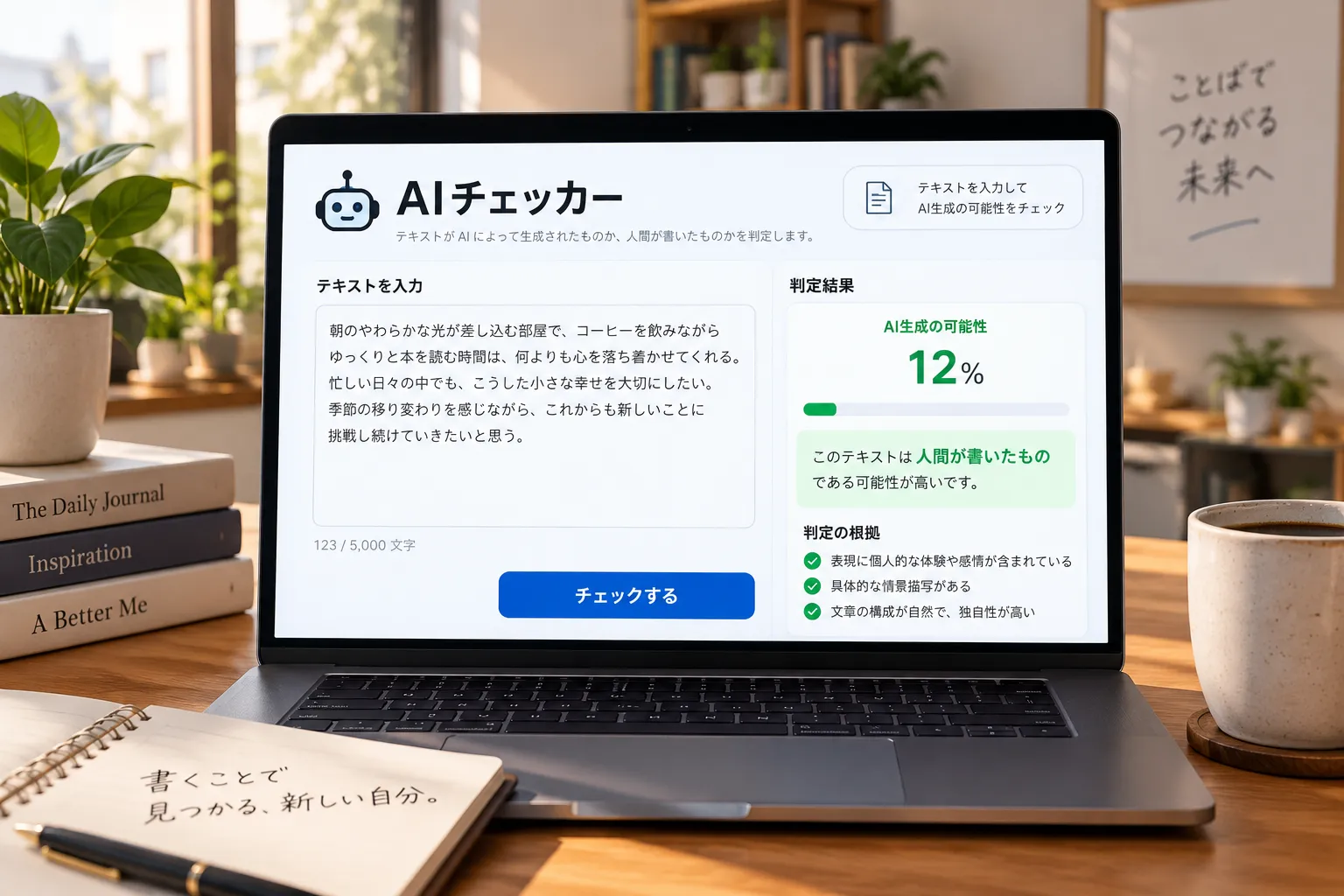
Run the same paragraph through two different tools and you may get “92% AI” from one and “mostly human” from the other. If you have used an aiチェッカー even once, you have probably seen this happen. The conflict is not a glitch. It is a direct result of how these tools are built, and understanding it will help you decide how much weight any single score deserves.
Why Two Tools Rarely Agree
Every checker is trained on its own collection of human and machine-written samples, using its own method. One may focus on how predictable the word choices are. Another may analyze sentence variation or other statistical traits. Each then converts its findings into a score using its own scale and cutoff.
That means a “70%” from one product and a “70%” from another are not the same measurement. One may use the number as a probability, while another may use it to show how much of the text it flagged. Without reading each tool’s documentation, comparing scores directly can mislead you.
Five Factors That Change the Score
Text Length
Short passages give software little to work with, so results can swing widely. A few hundred words generally gives a more stable reading than a single paragraph.
Subject and Genre
Technical manuals, legal summaries, and lab reports tend to use fixed phrasing and a steady tone. That can resemble machine output even when a person wrote every word.
Editing History
Text that began as AI output but was later rewritten by hand may pass as human. The reverse also occurs: human writing smoothed by grammar software can look more machine-like than the original draft.
Language Background
In 2023, researchers at Stanford reported that several popular detectors misclassified essays by non-native English speakers as AI-generated. This is a notable concern in the United States, where many students and employees write in a second language.
Tool Updates
Language models change often, and detectors are retrained in response. A score from one month may not match the same tool’s score later.
A Fair Way to Read a Result
Think of a score as a reason to look closer, not a ruling. A practical approach looks like this:
- Check the length. If the sample is short, expand it before drawing any conclusion.
- Look at what was flagged. Read the highlighted sentences yourself. Are they truly generic, or just formal?
- Try a second tool. Wide gaps between results signal uncertainty, and that is useful information.
- Record the details. Note the tool, date, and sample size so your reasoning can be explained later.
OpenAI withdrew its own AI text classifier in 2023, citing a low rate of accuracy. That decision shows how hard reliable detection is, even for the company that builds the models.
Evidence That Counts More Than a Percentage
Software output is weak evidence on its own. These checks are easier to verify.
Confirm the sources. Search for every cited study, statistic, and quotation. Chatbots sometimes produce references that do not exist, and a missing source tells you far more than a score.
Review the revision history. Google Docs and Microsoft Word record edits over time, showing whether a document developed gradually or appeared in one paste. For organizations drafting review procedures, a [ANCHOR TEXT HERE](TARGET URL HERE) can provide additional context.
Compare with earlier writing. If you have prior samples from the same author, abrupt changes in vocabulary, sentence length, or typical mistakes can be informative.
Talk with the writer. Asking someone to explain a choice or expand on a section shows quickly whether they know the material.
Who Should Be Most Careful
Educators
A flagged essay can affect a student’s record. A conversation and a look at drafts should come before any penalty.
Editors and Content Managers
Original reporting, named sources, and verifiable details are stronger quality signals than a detection score.
Hiring Teams
A cover letter flagged by software says little about a candidate’s ability. A short live writing task is more informative.
Setting Rules Before Problems Appear
Clear policies reduce disputes. Many US schools and publishers now state where AI help is acceptable, such as brainstorming or grammar checks, and where it is not, such as writing final drafts. A short disclosure line on submissions removes much of the guesswork. Assignments built on personal reflection, local interviews, or in-class writing are also harder to outsource.
Conclusion
Conflicting scores are normal, and they are a reminder that no tool can see how text was actually produced. Use checkers as a first screen, verify facts, review the drafting process, and give writers the benefit of the doubt until the evidence is solid. For anyone comparing a 生成aiチェッカー, the best choice is a tool that explains its limits openly, works alongside a second opinion, and leaves the final decision to a person.