Why Daily Traffic Jams and Constant AC Idling Degrade Engine Oil for Cars Faster
By Rojer Jesper
29 Views
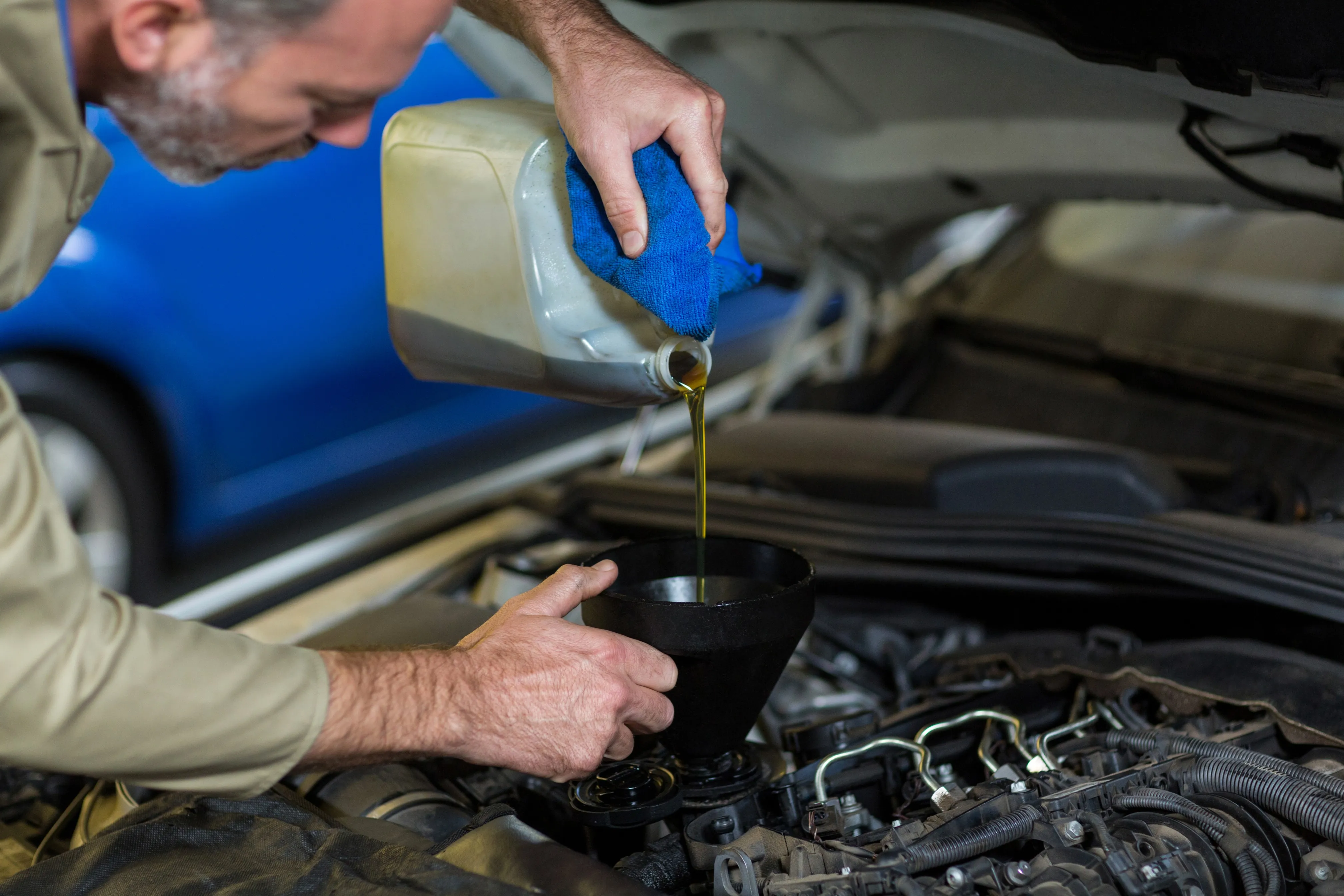
Anyone who drives across the UAE knows the daily routine: you leave home in the morning, join the crawling traffic along Sheikh Zayed Road or Al Ittihad Road, and switch the air conditioning to maximum. Outside, the midday sun easily pushes past 45°C. Inside, the cabin stays ice cold but underneath the bonnet, your vehicle is fighting extreme thermal and mechanical stress.
Most drivers believe engines only work hard when cruising fast along open motorways. In reality, sitting motionless in bumper-to-bumper traffic while running the AC places far more punishment on your vehicle than driving smoothly at 120 km/h.
When your car spends hours idling in the heat, the vital fluids keeping your engine alive break down long before your odometer shows it is time for a service.
The Hidden Trap: Odometer Distance vs. Engine Operating Hours
Most manufacturer service handbooks suggest changing your oil every 10,000 kilometres. However, that baseline assumes ideal conditions: open highways, moderate ambient temperatures, and constant natural airflow through the radiator grille.
City driving in the Gulf is completely different:
-
Minimal Distance, Maximum Running Time: A 40-minute crawl moving only 3 kilometres registers barely any mileage on your odometer, yet your engine runs continuously the entire time.
-
Pistons and Pumps Under Continuous Load: Fuel injectors fire, oil pumps circulate fluid, and cooling fans spin at peak speeds without rest.
-
Premature Thermal Breakdown: By the time your dashboard displays 7,000 kilometres, your engine may have accumulated the operational wear of 12,000 kilometres of highway driving.
Waiting for the standard 10,000 km milestone often means leaving your engine running on burnt, watery fluid that no longer protects internal metal components.
How Constant Cabin AC Puts Extra Stress on Auto Lubricants
Your car air conditioning system draws power directly from the engine via the serpentine belt. During peak summer, running climate control on full power demands continuous mechanical output from the engine block.
Here is what happens inside the engine bay during extended idle periods:
-
Zero Natural Airflow: Because the car is stationary, there is no forward motion pushing ambient air through the front radiator to cool the engine down.
-
Superheated Surrounding Air: Cooling fans blow constantly, but they pull in air already heated by surrounding exhaust pipes and baking tarmac.
-
Fluid Thinning: This trapped heat attacks your essential auto lubricants, causing standard motor oils to thin out rapidly until they flow like water.
-
Loss of Protective Oil Film: Once oil loses its viscosity, it can no longer cushion moving parts. Piston rings, camshafts, and bearings begin rubbing against each other, creating fine friction scratches.
Why Quality Engine Oil for Cars Matters in Stop-and-Go Commutes
In stop-and-go driving, your engine continuously alternates between idling and sudden acceleration. You tap the accelerator, move forward three metres, and step back on the brake.
This irregular pattern creates specific challenges:
-
Unburnt Fuel & Carbon Buildup: The engine never settles into an efficient combustion cycle, allowing unburnt fuel and carbon soot to wash past piston rings into your oil pan.
-
Fine Desert Sand Infiltration: High winds and blowing sand sneak past aging air filters, mixing with hot oil to form an abrasive paste.
-
Sludge Formation: Low-grade mineral oils cook quickly under high heat, turning into thick, tar-like sludge that clogs narrow oil galleries.
The Full Synthetic Advantage
Switching to premium synthetic engine oil for cars solves this problem directly:
-
Thermal Stability: Engineered synthetic molecules resist evaporation and viscosity breakdown even under 50°C ambient temperatures.
-
Detergent Protection: Active additives keep soot and microscopic dirt suspended in the fluid so the oil filter can trap them safely.
-
Instant Circulation: Synthetic formulations maintain consistent flow properties, ensuring immediate lubrication as soon as you step on the accelerator.
Do Not Overlook Vital Auto Lubricants and Brake Fluids in Traffic
While engine oil takes the heaviest beating, bumper-to-bumper city traffic strains the rest of your vehicle’s hydraulic and mechanical fluids just as hard.
Every time you crawl forward, you press the brake pedal often hundreds of times in a single hour. This continuous friction transfers high heat straight into the brake calipers and wheel hubs.
-
Moisture Contamination: Standard brake fluids naturally absorb moisture from humid coastal air over time.
-
Risk of Brake Fade: When extreme caliper heat meets moisture-laden brake fluid, the water can boil and create compressible vapour pockets. This leads to a spongy pedal feel and delayed stopping response.
-
Transmission & Steering Strain: Power steering pumps and automatic gearboxes generate intense fluid heat during endless low-speed crawling.
Keeping fresh, high-grade auto lubricants and fresh hydraulic fluids circulating through every system guarantees smooth gear shifts, sharp steering, and dependable braking in dense traffic.
4 Quick Driveway Checks You Can Do Today
You do not need workshop tools to monitor your fluid health. Take five minutes once a week to inspect your vehicle at home:
-
Check Dipstick Colour: Pull the dipstick and wipe it on a white paper towel. Healthy oil is golden or light amber. If it looks jet black and thick like syrup, change it immediately.
-
Feel the Texture: Rub a drop of oil between your thumb and index finger. It should feel slick and smooth. If it feels thin, watery, or contains gritty specks, dirt has contaminated the fluid.
-
Inspect the Brake Fluid Reservoir: Check the translucent brake fluid tank near the firewall. Fresh fluid is clear or pale amber. If it looks dark brown or cloudy, it needs a system flush.
-
Listen During Cold Starts: If you hear clicking or ticking noises under the bonnet during the first few seconds of starting the car, old or thin oil is taking too long to circulate.
Protect Your Car Before the Heat Causes Expensive Damage
An engine rebuild or major transmission repair can easily cost anywhere from 4,000 to 8,000 AED. Replacing your vital fluids takes less than an hour and costs a tiny fraction of that amount.
Do not wait for a dashboard warning light to turn on while sitting in afternoon highway traffic. If you commute daily, treat your vehicle to fresh, heat-resistant fluids built for Gulf driving conditions.
Visit AutoPlus Mart today to explore our full selection of 100% genuine engine oil for cars, heat-tolerant brake fluids, and high-performance auto lubricants. Browse top global brands online and enjoy fast delivery straight to your doorstep across the UAE.