Why Converting Images Helps Improve Embroidery Quality
By David
170 Views
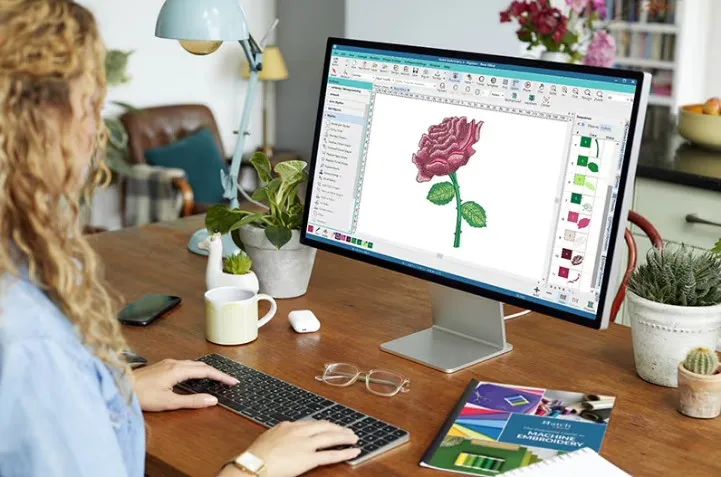
Embroidery starts with a design. Many people use simple images like JPG or PNG files. These images look fine on a screen. But they are not ready for embroidery machines. If you use them as they are, the result may look messy.
To get clean embroidery, the image must be converted into a stitch file. This process helps the machine understand where to stitch and how to move. Many people use Image to DST Conversion to turn their pictures into machine-ready designs.
When the image is converted the right way, the stitches look smooth, neat, and professional.
What Does Image Conversion Mean in Embroidery?
Image conversion means turning a picture into a stitch file.
A machine cannot read normal images. It needs a file with stitch data.
Conversion includes:
- Turning shapes into stitches
- Setting stitch paths
- Adjusting density
- Adding underlay
This process is also called digitizing.
Why Images Cannot Be Used Directly
Images are made of pixels. Machines do not understand pixels.
Problems with raw images:
- No stitch direction
- No stitch count
- No path for machine
- No fabric control
This leads to poor embroidery results.
Real Experience: What Happens Without Conversion
Many beginners try to stitch images directly.
The result is often bad:
- Broken threads
- Uneven shapes
- Rough edges
- Poor detail
Experts at Absolute Digitizing often fix these issues by converting images into proper stitch files. This improves quality and saves time.
How Conversion Improves Embroidery Quality
1. Clear Stitch Paths
Why It Matters:
The machine needs a path to follow.
Result:
Smooth stitching with no confusion.
2. Proper Stitch Density
Why It Matters:
Too many stitches damage fabric. Too few make weak designs.
Result:
Balanced and clean output.
3. Correct Stitch Types
Why It Matters:
Different areas need different stitches.
Result:
Better texture and look.
4. Fabric Control
Why It Matters:
Fabric moves during stitching.
Result:
Design stays stable.
5. Clean Edges
Why It Matters:
Edges define the design.
Result:
Sharp and neat finish.
Step-by-Step Image Conversion Process
Step 1: Review the Image
What They Do:
Check quality, size, and detail.
Step 2: Simplify the Design
What They Do:
Remove extra detail.
Step 3: Assign Stitch Types
What They Do:
Choose satin, fill, or run stitch.
Step 4: Set Stitch Density
What They Do:
Balance stitch count.
Step 5: Add Underlay
What They Do:
Support top stitches.
Step 6: Test Stitch File
What They Do:
Run a sample.
Common Problems Without Proper Conversion
Thread Breaks
Cause:
No proper stitch path.
Fabric Puckering
Cause:
Too many stitches.
Distorted Design
Cause:
No compensation.
Loss of Detail
Cause:
Image not optimized.
Why Professionals Do It Better
Image conversion is not just a tool task. It needs skill.
Experts Know:
- How to read designs
- How fabric reacts
- How machines work
This knowledge helps create better results.
Role of File Formats in Embroidery
Machines use special formats.
Common formats:
- DST
- PES
- EXP
These formats store stitch data.
Without conversion, you cannot create these files.
Importance of Clean Artwork Before Conversion
Good input gives good output.
Clean artwork should:
- Have clear lines
- Have simple shapes
- Avoid too much detail
This makes conversion easier and better.
How Conversion Helps Beginners
Beginners often struggle with design setup.
Conversion helps by:
- Simplifying the process
- Reducing errors
- Improving results
It makes embroidery easier to learn.
Why Businesses Rely on Conversion
In business, quality matters.
Bad embroidery can harm your brand.
That is why companies like Absolute Digitizing focus on proper image conversion before production. It ensures every design looks clean and professional.
Fabric and Conversion Connection
Different fabrics need different settings.
Soft Fabric:
- Needs light stitches
Thick Fabric:
- Can handle dense stitches
Stretch Fabric:
- Needs flexible setup
Conversion adjusts the design based on fabric.
EEAT in Image Conversion
Good embroidery follows strong principles.
Experience
Real work with designs and machines.
Expertise
Skill in creating stitch files.
Authority
Consistent high-quality output.
Trustworthiness
Reliable and tested designs.
These values build confidence in results.
Tips for Better Image Conversion
Use High-Quality Images
Start with clear designs.
Keep Designs Simple
Avoid too much detail.
Choose Right Colors
Limit color count.
Test Before Final Work
Always check stitching.
Work with Experts
Professional help improves quality.
Why Conversion Saves Time and Money
Bad designs cause:
- Rework
- Material waste
- Delays
Good conversion prevents these issues.
Why Beginners Make Mistakes
Beginners often:
- Skip conversion
- Use raw images
- Ignore stitch settings
This leads to poor results.
Final Thoughts
Image conversion is a key step in embroidery. It turns simple pictures into clean stitch files that machines can follow.
When done right, it improves stitch quality, reduces errors, and creates smooth designs. When skipped, it leads to messy results and wasted effort.
With expert help from Absolute Digitizing, you can turn any image into a clean, machine-ready file and get perfect embroidery results every time.