Why Combining Storage and Distribution Saves Businesses Time
By Hacklings
20 Views
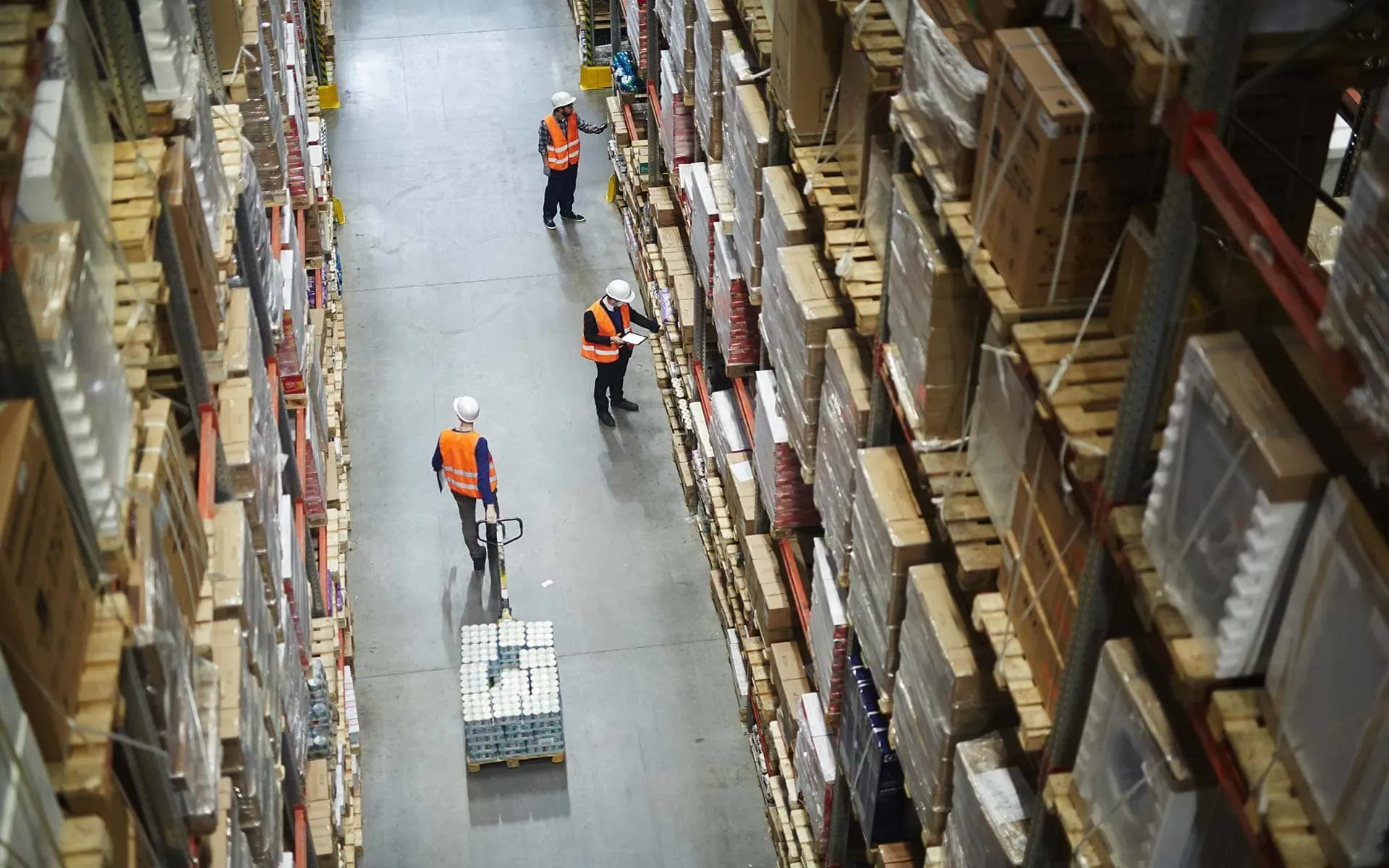
Every time your goods move between companies, time is lost. Stock is collected from a warehouse, handed to a separate carrier, booked in, checked and rescheduled, often with emails and phone calls at each step.
Combining storage and distribution with one provider removes most of those handovers. When the same haulage transport companies store your stock and deliver it, goods can move from racking to vehicle without waiting for another business to act. This guide explains how integrated warehousing and distribution saves time, which businesses benefit most and what to look for in a provider.
What Does Combining Storage and Distribution Mean?
Integrated warehousing and distribution means one logistics provider handles both the storage of your stock and its onward transport. Instead of using a warehouse operator and a separate haulier, you work with a single company that receives your goods, stores them, prepares orders and delivers them to your customers or sites.
In practice, this usually covers:
- Goods in: receiving deliveries, checking quantities and recording stock.
- Storage: holding palletised or packaged goods securely until they are needed.
- Stock management: tracking what is held, where it is and what has been dispatched.
- Order preparation: picking and packing orders for dispatch.
- Distribution: delivering by road, using the provider’s own fleet or a pallet network.
The services on offer vary between providers, so it is worth confirming exactly what is included.
How Integrated Warehousing and Distribution Saves Time
Fewer Handovers
Each handover between companies adds waiting time, paperwork and room for error. When storage and transport sit under one roof, stock moves straight from the warehouse onto a vehicle, with no need to arrange a separate collection or wait for another business to confirm.
Faster Order Fulfilment
Because the provider controls both the stock and the vehicles, orders can be picked and loaded as soon as they are released. This shortens the gap between receiving an order and dispatching it, which matters most for time-sensitive deliveries.
Better Delivery Scheduling
Transport planning works best when the planner can see the stock. A combined provider can group orders heading to the same area, plan routes around stock availability and agree collection and delivery times without checking with a third party.
Less Administration
One provider means one point of contact, one set of terms and, in most cases, one invoice. Your team spends less time chasing updates between a warehouse and a carrier, and problems are resolved by the company responsible for both.
Clearer Stock Visibility
Many integrated providers give you access to stock levels and consignment tracking, so you can see what is held, what has shipped and when it will arrive without asking two different businesses for answers.
Other Benefits Beyond Saving Time
Time savings are often the most noticeable benefit, but combining services can also help in other ways:
- Lower handling costs: goods are moved fewer times, which reduces labour and the risk of damage.
- Freight consolidation: orders for the same region can share vehicles, making better use of transport capacity.
- Flexible capacity: you can scale storage and deliveries up or down with seasonal demand, without committing to your own warehouse.
- Fewer errors: one system tracks stock from goods in to delivery, so there are fewer gaps where information can be lost.
How Combined Storage and Distribution Works in Practice
A typical flow looks like this:
- Your supplier or production line delivers goods to the provider’s warehouse.
- The warehouse team checks the delivery against your paperwork and records it on the stock system.
- Goods are stored, usually on pallets in racking, until you release an order.
- The order is picked, prepared and loaded onto a suitable vehicle.
- The goods are delivered to your customer or site, with proof of delivery returned to you.
For example, a food packaging manufacturer might deliver a full load of finished stock to a regional warehouse each month. The provider then sends smaller deliveries to wholesalers and retailers each week as orders come in. The manufacturer no longer needs space for that stock on site, and its customers receive regular deliveries without the manufacturer arranging each one.
Which Businesses Benefit Most?
Combined storage and distribution suits businesses whose stock and delivery needs change from week to week:
- Manufacturers that need space for finished goods or raw materials away from the production site.
- Wholesalers and distributors supplying many trade customers with regular, smaller orders.
- Retailers and eCommerce businesses that need stock held close to customers and dispatched quickly.
- Construction suppliers that need materials stored and delivered to sites on specific dates.
- Seasonal businesses that need extra capacity at peak times without long-term warehouse commitments.
Combined Provider vs Separate Warehouse and Haulier
| Factor | Combined Provider | Separate Warehouse and Haulier |
|---|---|---|
| Point of contact | One provider | Two or more companies |
| Handovers | Goods move straight from storage to vehicle | Collection must be booked between companies |
| Scheduling | Planned with full sight of stock and vehicles | Depends on coordination between providers |
| Administration | One set of terms and usually one invoice | Separate contracts and invoices |
| Problem solving | One company is responsible | Responsibility can be unclear |
| Flexibility | Storage and transport scale together | Each service must be adjusted separately |
A separate warehouse and haulier can still work well, particularly if you already have a strong relationship with each. The more often your stock moves, however, the more time a combined service can save.
What to Look for in Haulage Transport Companies Offering Storage
Before choosing a provider, check the following:
- Location: a warehouse close to your suppliers, production site or customers shortens collection and delivery times.
- Storage type: confirm it suits your goods, for example racked pallet storage, block storage or secure areas for high-value stock.
- Fleet and coverage: ask which vehicles the provider runs and which areas it covers directly.
- Pallet network access: some road haulage companies are members of national pallet networks, such as Palletline, which extends coverage for single pallets and smaller consignments.
- Stock visibility: ask how you will see stock levels, orders and delivery progress.
- Specialist goods: hazardous goods need storage and road transport that meet the relevant regulations, including ADR rules for carriage. Only use providers equipped to handle them, sometimes known as hazchem transporters.
- Insurance and terms: check cover for goods in storage and in transit.
Why a Local Haulage Company Can Make a Difference
For businesses based in the regions, a local haulage company with its own warehousing can often respond faster than a distant national operator. Shorter distances between warehouse, customers and suppliers mean quicker collections, more flexible delivery slots and easier communication.
For example, transport companies in Gloucestershire and Wiltshire that serve local manufacturers and retailers can often collect, store and deliver within the same region at short notice, while still offering UK-wide road haulage services when needed.
Frequently Asked Questions
What is integrated warehousing and distribution?
Integrated warehousing and distribution means one provider stores your goods and delivers them. It covers receiving stock, storing it, managing inventory, preparing orders and transporting them to customers or sites, so you deal with one company rather than coordinating a separate warehouse and haulier.
How does combining storage and distribution save time?
It removes handovers between companies. Stock moves straight from the warehouse to a vehicle, orders can be dispatched as soon as they are released and delivery planning takes place with full sight of the stock. This shortens lead times and reduces the time your team spends coordinating suppliers.
Do haulage transport companies offer warehousing?
Many do, but not all. Some road haulage companies run their own warehouses, while others focus purely on transport. Check what storage a provider offers, how stock is managed and whether storage and distribution are priced and managed together before you commit.
Is combined storage and distribution suitable for small businesses?
Yes. Many providers store small volumes, sometimes from a few pallets upwards, so smaller businesses can benefit without renting their own warehouse. It is particularly useful for businesses with growing or seasonal stock levels that would struggle to justify permanent storage space.
Can a storage provider deliver single pallets across the UK?
Often, yes. Providers with their own fleets cover their regions directly, and those that are members of a pallet network can send single pallets and small consignments to most of the UK mainland. Ask about coverage and transit times for your delivery areas.
Can hazardous goods be stored and distributed together?
Only with a provider equipped for them. Hazardous goods need suitable storage, trained staff, and vehicles and drivers that meet the ADR rules for carrying dangerous goods by road. Many general storage providers do not accept them, so confirm before booking.
Conclusion
Combining storage and distribution saves time by removing handovers, speeding up order fulfilment and giving one team control of both your stock and its delivery. It also reduces handling, simplifies administration and makes it easier to scale with demand.
For businesses that move stock regularly, choosing haulage transport companies that offer both services can make the whole supply chain simpler and more responsive. If you are reviewing how your goods are stored and delivered, talk to a provider about a combined service built around your stock and delivery schedule.