Why Are Your Car Windshield Wipers Leaving Streaks? 7 Common Reasons
By Rojer Jesper
37 Views
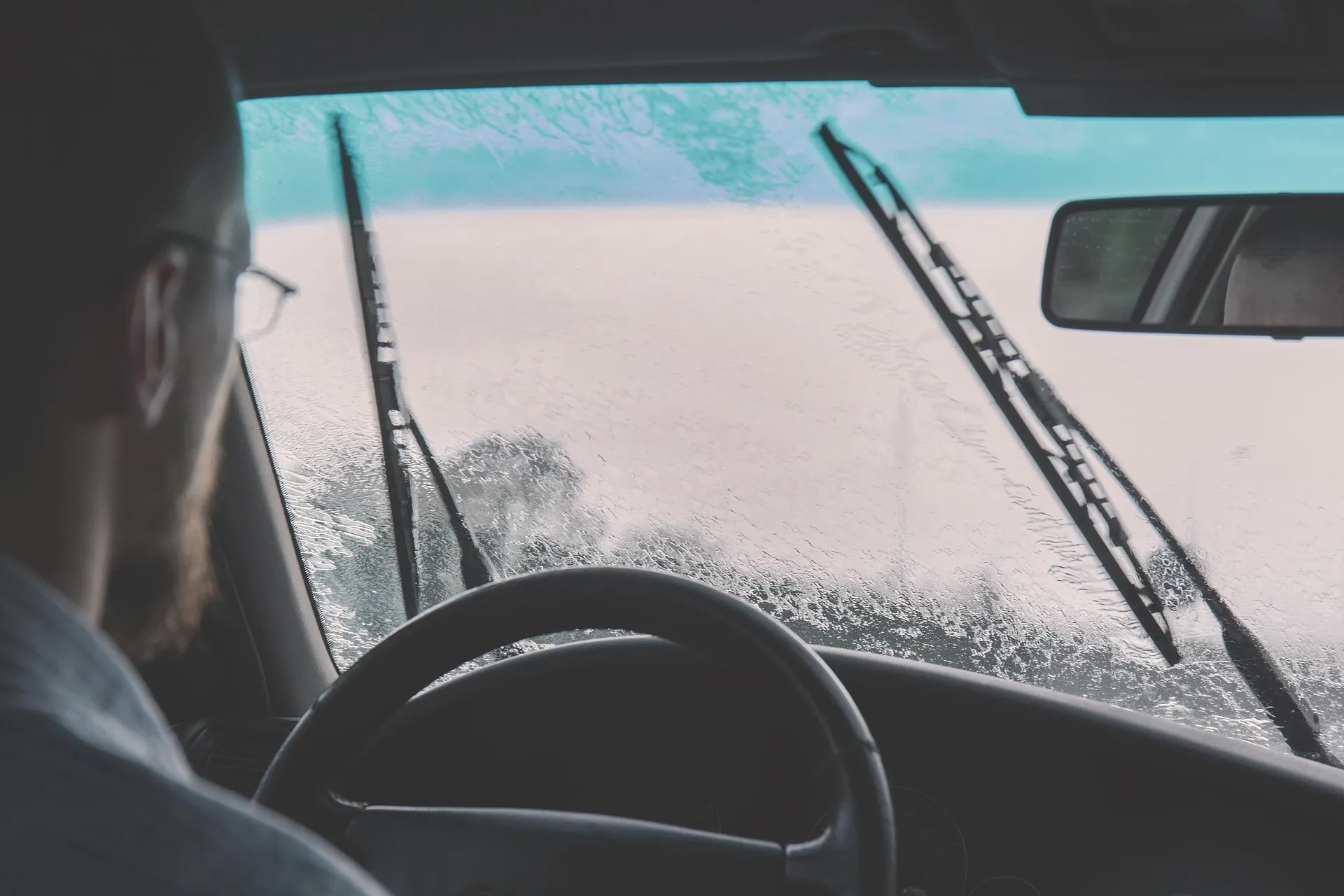
You turn on your wipers expecting a clear windshield, but instead, you see lines and patches left behind on the glass. It can be frustrating, especially when you are driving in rain or trying to clean dust from the windshield.
Streaks usually mean that your car windshield wipers are not making proper contact with the glass. Sometimes the problem can be fixed by simply cleaning the windshield or wiper blades. In other cases, the blades may have become worn and need to be replaced.
Here are seven common reasons why your wipers may be leaving streaks.
1. The Wiper Blades Are Worn Out
Wiper blades do not last forever. The rubber edge gradually becomes hard, cracked or uneven after repeated use. Once the blade loses its smooth edge, it cannot remove water properly from the windshield.
You may notice:
- Thin lines across the glass
- Water patches after each wipe
- Parts of the windshield being left untouched
- Reduced visibility when it rains
If cleaning the blades does not improve the wiping, worn rubber is likely the problem.
2. Dust and Dirt Have Built Up on the Blades
Your wipers can collect dust, sand and other small particles while the car is parked or driven. When the dirty blade moves across the windshield, it can spread the dirt instead of removing it.
This can be particularly noticeable in dusty conditions. A quick check can help. Lift the wiper arm and look at the rubber edge. If you can see dirt stuck to it, clean the blade before using it again.
You can wipe the rubber gently with a clean, damp microfiber cloth. It is also a good idea to clean the windshield regularly rather than relying on the wipers to remove heavy dirt.
3. Your Windshield Is Dirty
Sometimes the wipers are not the real problem. A dirty windshield can cause streaks even when the blades are still in good condition.
Road dust, oily residue, water spots and other deposits can build up on the glass. When the wipers pass over these areas, they may simply move the residue around.
Cleaning the windshield properly can make a noticeable difference. If the streaks disappear after cleaning the glass and blades, there may be no need to replace the wipers.
4. The Rubber Has Become Hard
Heat, sunlight and regular exposure to the weather can affect wiper rubber over time. Instead of staying flexible and following the shape of the windshield, the rubber can become stiff.
A hardened blade may:
- Leave streaks
- Skip across the windshield
- Make a squeaking or rubbing sound
- Fail to clear water evenly
If the rubber feels unusually hard or looks cracked, replacement is usually a better option than trying to restore the old blade.
5. The Wiper Blade Is Not Sitting Properly
A wiper needs to maintain even contact with the windshield as it moves. If the blade is bent, damaged or not fitted correctly, some sections may not touch the glass properly.
This can result in clear areas mixed with sections where water or dirt remains.
If you recently replaced your wipers and noticed streaking immediately afterwards, check whether the blade is the correct size and properly fitted for your vehicle.
6. Using Wipers on a Dry Windshield
Wipers are designed primarily to clear water and moisture. Running them over a completely dry and dusty windshield can create unnecessary friction and wear on the rubber.
It can also push dust and sand across the glass, which may make the windshield look even dirtier.
If you need to clean a dusty windshield, use washer fluid or clean the glass first rather than repeatedly running dry wipers across it.
7. The Wiper Blades Are Simply Too Old
Even if a wiper blade does not look badly damaged, its performance can decline with age. The rubber may lose its flexibility and the blade may no longer clear the windshield as effectively as it once did.
Instead of waiting until the blade completely stops working, pay attention to changes in performance.
If you regularly notice streaks, skipping, squeaking or missed areas after cleaning the windshield and blades, it may be time to replace them.
How Can You Stop Wipers From Leaving Streaks?
Before buying new wipers, try a few simple checks:
- Clean the windshield thoroughly.
- Wipe the rubber edge of the wiper blades with a clean, damp cloth.
- Check for cracks, tears or hardened rubber.
- Make sure the blades are fitted correctly.
- Avoid using wipers on a completely dry, dusty windshield.
- Replace the blades if they are worn or no longer clear the glass properly.
These simple steps can help you determine whether you are dealing with a dirty windshield or a genuine wiper blade problem.
When Should You Replace Your Car Wiper Blades?
There is no need to replace wipers simply because they have reached a certain age. Their condition and performance are more important.
Consider replacing them when they consistently:
- Leave streaks or water behind
- Skip across the windshield
- Make unusual noises
- Leave sections of the glass uncleared
- Show visible cracks or damage
Good visibility is important every time you drive, particularly during rain or when the windshield needs to be cleared quickly.
Choose the Right Wipers for Your Car
Streaking does not always mean you need new wipers. Start by cleaning the windshield and checking the blades. If the problem continues, worn or damaged wipers may be the reason.
When replacing them, make sure you choose the correct size and fitting for your vehicle. A properly fitted wiper should move smoothly across the glass and clear water without leaving significant streaks behind.
At AutoPlusMart, you can find car care products and replacement accessories to help keep your vehicle ready for everyday driving. Keeping your windshield clean and your wipers in good condition is a small part of car maintenance, but it can make a big difference when you need a clear view of the road.