White Powder on Basement Walls: Is Efflorescence a Water Problem?
6 Views
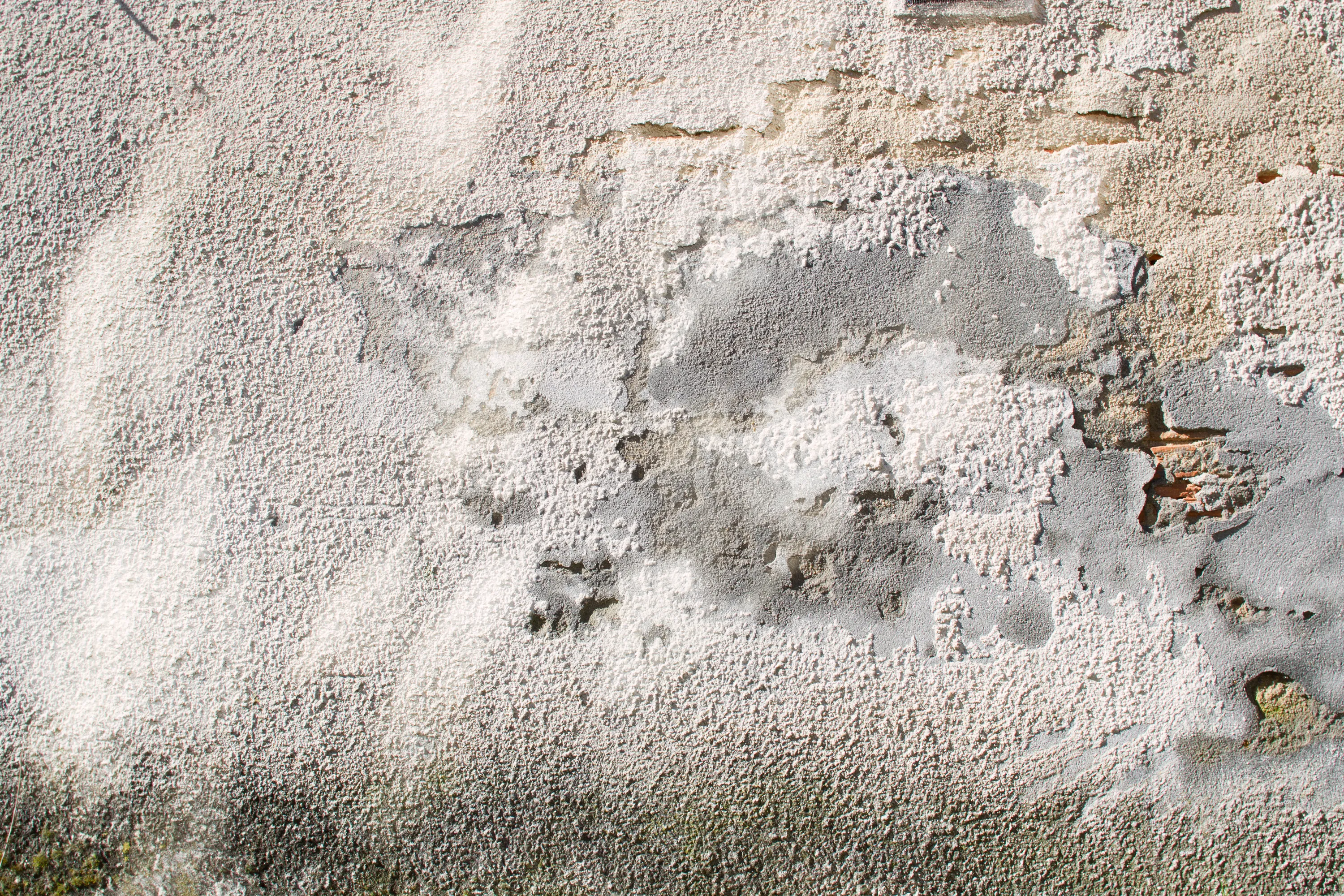
If you notice white powder on basement walls, you may wonder whether it is mold, paint residue, or a sign that something is wrong with your foundation. In many cases, the white, chalky or crystalline material is efflorescence on basement walls.
Efflorescence forms when moisture moves through concrete, brick, block, or mortar and carries dissolved mineral salts toward the surface. As the moisture evaporates, the salts remain behind as a white deposit.
The powder itself is usually not the main problem. The moisture that caused the efflorescence is what homeowners need to investigate.
If the deposits keep returning after cleaning, your basement may have an ongoing moisture or water-intrusion problem that needs to be addressed at its source.
Quick Answer: Is Efflorescence a Water Problem?
Yes, recurring efflorescence usually indicates that moisture has been moving through masonry or concrete.
Water can enter or move through a basement wall because of:
- Poor drainage around the foundation
- Gutters or downspouts directing water toward the house
- Soil that slopes toward the foundation
- Hydrostatic pressure
- Foundation cracks
- Porous concrete or masonry
- Groundwater
- Water collecting around the foundation
- Other drainage or waterproofing problems
Efflorescence does not automatically mean that your foundation is structurally failing. However, repeated efflorescence is a reason to investigate the source of the moisture rather than simply cleaning the wall.
What Is Efflorescence on Basement Walls?
Efflorescence on basement walls is a buildup of soluble mineral salts left behind after water moves through masonry and evaporates.
Concrete, concrete block, brick, and mortar contain minerals and salts. When water travels through these porous materials, it can dissolve some of those compounds. The moisture then moves toward the surface of the wall.
Once the water evaporates, the dissolved minerals remain behind.
This creates the familiar white, gray, or sometimes chalky crystalline appearance.
The process can be summarized as:
Moisture enters the masonry → minerals dissolve → moisture moves toward the surface → water evaporates → mineral deposits remain.
That is why basement wall efflorescence is more than a cosmetic stain. It can provide a visible clue that moisture has been moving through the wall.
What Does Efflorescence Look Like?
Efflorescence can appear differently depending on the amount of moisture and the type of masonry.
Common appearances include:
- White powder
- Chalky white residue
- Gray-white deposits
- Crystalline or fuzzy-looking patches
- Hard mineral crust
- White streaks along mortar joints
- Deposits around cracks
- White residue near the bottom of foundation walls
Some deposits brush away easily. Others become harder and more crust-like when moisture has been moving through the wall repeatedly.
You may also notice the deposits becoming more visible after periods of heavy rain.
Is White Powder on Basement Walls Mold?
Usually, white powder on basement walls is not mold when it appears as a dry, chalky or crystalline mineral deposit on concrete or masonry.
Efflorescence is made from mineral salts. Mold is biological growth and can have a fuzzy, slimy, or irregular appearance.
However, homeowners should not rely only on color to identify an unknown substance.
If the material is growing on drywall, wood, insulation, carpet, or other organic materials, or if there is a persistent musty odor, further investigation may be necessary.
The important distinction is this:
Efflorescence points toward moisture moving through masonry. Mold indicates a biological growth problem associated with suitable moisture conditions.
A basement can also have both.
Why Does Efflorescence Form on Basement Walls?
The main ingredient behind efflorescence is moisture.
The water does not necessarily have to appear as a visible leak or puddle. It can move slowly through porous foundation materials and evaporate before you ever see standing water.
1. Poor Exterior Drainage
If rainwater collects next to your foundation, the surrounding soil can become saturated.
That increases the amount of moisture available around the foundation wall and can contribute to water movement through masonry.
2. Gutters and Downspouts
A downspout that releases roof water directly beside the foundation can concentrate a large amount of water near the basement wall.
Clogged gutters can also overflow close to the foundation.
Checking gutters and downspouts is therefore an important part of investigating recurring efflorescence and water damage.
3. Poor Grading
The soil surrounding your home should direct water away from the foundation.
When the ground slopes toward the house, rainfall can collect against the foundation instead of draining away.
Over time, this can increase moisture around basement walls.
4. Foundation Cracks
Cracks can create pathways for water to enter the basement.
Even a small crack may become noticeable after heavy rainfall or when the soil around the foundation becomes saturated.
If you are also seeing cracks with moisture or water intrusion, review our guide to basement floor cracks to understand when a crack may require professional evaluation.
5. Hydrostatic Pressure
When water accumulates in the soil surrounding a below-grade foundation, it can create pressure against the foundation walls.
This is known as hydrostatic pressure.
Depending on the construction and condition of the foundation, water pressure can contribute to seepage through cracks, joints, pores, or other weak points.
6. Groundwater and Saturated Soil
Basements are below ground level, so they are naturally exposed to surrounding soil moisture.
During periods of heavy rainfall or high groundwater, the amount of water surrounding the foundation can increase.
If the drainage and waterproofing system cannot adequately manage that moisture, water may move toward the basement.
Does Efflorescence Mean My Foundation Is Leaking?
Not necessarily.
Efflorescence means that moisture has interacted with the masonry and left mineral deposits behind. It does not by itself prove that the foundation has a major structural defect.
However, recurring deposits deserve attention.
Pay particular attention if you also notice:
- Wet or damp basement walls
- Water stains
- Peeling or bubbling paint
- Musty odors
- Visible cracks
- Water entering during rain
- Damp floors
- Mold or mildew on nearby materials
- Spalling or deteriorating concrete
- Efflorescence that repeatedly returns after cleaning
These additional signs can help determine whether you are dealing with a broader basement moisture problem.
Where Does Efflorescence Usually Appear?
Efflorescence can occur anywhere moisture moves through masonry, but homeowners commonly notice it:
- Along basement foundation walls
- Near the wall-floor joint
- Around foundation cracks
- Along mortar joints
- Near areas of previous water intrusion
- On concrete block walls
- Around basement windows or window wells
- Near the bottom portions of foundation walls
The location can provide a clue about the moisture pathway, but it does not identify the exact source by itself.
How to Remove Efflorescence From Basement Walls
If the wall is otherwise sound and you are dealing with a small amount of surface efflorescence, you can start by carefully removing the deposits.
Step 1: Identify the Material
Before cleaning, make sure the deposit is actually on concrete, masonry, brick, or block.
Do not assume every white substance is efflorescence.
Step 2: Protect Yourself
Wear appropriate protective equipment, including gloves and eye protection.
If brushing creates airborne dust, use suitable respiratory protection and provide ventilation.
Step 3: Dry Brush the Surface
Use a stiff brush to remove loose deposits from the dry wall.
Collect the residue rather than spreading it around the basement.
Step 4: Clean Remaining Deposits
For stubborn deposits, use a masonry-safe cleaning product according to the manufacturer's directions.
Avoid experimenting with strong acids or mixing cleaning chemicals.
If a chemical cleaner is recommended for the material, follow the product label carefully and provide appropriate ventilation and protective equipment.
Step 5: Allow the Wall to Dry
The wall needs time to dry after cleaning.
Do not immediately cover a damp wall with paint, paneling, or another finish.
Step 6: Monitor the Area
This is one of the most important steps.
If the white powder on basement walls returns, cleaning has only removed the visible symptom.
The next question should be:
Where is the moisture coming from?
Why Does Efflorescence Keep Coming Back?
If efflorescence repeatedly returns, moisture is likely still reaching the masonry.
Cleaning removes the mineral deposits, but it does not necessarily stop water from moving through the foundation.
For example, if rainwater continues collecting against the foundation, the wall may continue experiencing moisture movement.
That creates the same cycle:
Water movement → mineral salts → evaporation → white deposits → cleaning → more water movement → new deposits.
This is why repeatedly scrubbing the wall without investigating the moisture source can become frustrating.
For a broader look at the causes of basement water intrusion, see our guide on why basements get wet and the most common causes.
Can You Paint Over Efflorescence?
Painting over active efflorescence is generally not a reliable solution.
If moisture continues moving through the wall, the underlying conditions have not changed. Salts and moisture can interfere with coatings and may contribute to peeling, bubbling, or recurring deposits.
The better approach is:
- Identify the moisture source.
- Address the water-management problem.
- Clean the existing deposits.
- Allow the masonry to dry.
- Only then determine whether a suitable coating or finish is appropriate.
A coating can be part of a solution in some situations, but it should not be treated as a substitute for correcting an active water-intrusion problem.
How to Stop Efflorescence From Coming Back
The long-term solution depends on where the moisture is coming from.
Check Gutters and Downspouts
Make sure gutters are functioning properly and downspouts are not dumping concentrated roof runoff directly beside the foundation.
Check the Soil Grade
Look for areas where water collects next to the house.
Correcting drainage around the foundation can reduce the amount of water reaching the basement walls.
Inspect Foundation Cracks
Visible cracks can provide pathways for water.
A professional evaluation can help determine whether a crack requires sealing, repair, or additional waterproofing measures.
Look for Window Well Problems
Basement windows and window wells can become water-entry points when drainage is inadequate.
Evaluate the Basement Drainage System
If water continues entering the basement despite basic exterior drainage improvements, a broader waterproofing or water-management evaluation may be necessary.
Consider Professional Basement Waterproofing
When recurring efflorescence is associated with ongoing seepage, foundation moisture, or drainage problems, basement waterproofing can help address the underlying water-intrusion problem.
The correct system depends on the source and severity of the water problem rather than simply the appearance of the wall.
Efflorescence vs. Water Damage: What Is the Difference?
Efflorescence is a visible mineral deposit.
Water damage refers to damage caused by unwanted moisture entering or accumulating in a building.
You can have efflorescence without major structural damage, but recurring efflorescence can be an important warning sign of a moisture problem.
Efflorescence
Water Damage
White or gray mineral deposit
Damage caused by unwanted moisture
Forms as moisture evaporates from masonry
Can affect walls, floors, finishes, and belongings
Often appears on concrete, brick, or block
Can occur throughout the basement
Usually a symptom rather than the main problem
Requires identifying and correcting the moisture source
May return if moisture continues
Can become more serious when moisture persists
When Should You Call a Waterproofing Professional?
A small, isolated deposit does not automatically mean that you need a major waterproofing project.
However, professional evaluation is worth considering when:
- Efflorescence keeps returning
- Your basement wall stays damp
- You see active water intrusion
- Water appears after heavy rain
- Foundation cracks are leaking
- You have recurring basement moisture
- The concrete is deteriorating or spalling
- You notice musty odors or mold conditions
- Exterior drainage improvements have not solved the problem
- You are preparing to finish a previously damp basement
The goal should not be to sell a homeowner a specific repair before the cause is understood.
The goal is to determine how water is reaching the basement and what system can manage or stop it appropriately.
Does Efflorescence Damage the Foundation?
Efflorescence itself is generally a surface deposit rather than proof of structural failure.
The bigger concern is the moisture that allows the deposits to form.
Persistent moisture can contribute to problems such as:
- Peeling paint
- Deteriorating finishes
- Damp drywall
- Mold-friendly conditions
- Musty odors
- Spalling or surface deterioration
- Damage to stored belongings
- Continued water intrusion
That is why recurring foundation wall moisture should not be ignored simply because the white residue can be brushed away.
What Should You Do If Efflorescence Appears After Heavy Rain?
If you notice new deposits after a storm, inspect the areas around your foundation.
Check:
- Gutters
- Downspouts
- Soil grading
- Areas where rainwater pools
- Window wells
- Visible foundation cracks
- Basement wall dampness
- Previous water-entry locations
Take photos and note whether the deposits appear in the same location after each major rainfall.
A recurring pattern can provide useful information when diagnosing the source.
Can a Dehumidifier Fix Basement Efflorescence?
A dehumidifier can help control humidity inside the basement, but it does not automatically stop water from entering through a foundation wall.
If the efflorescence is being caused by moisture moving through the masonry from outside, lowering indoor humidity may not eliminate the underlying source.
Think of the problem in two parts:
Indoor humidity: A dehumidifier may help.
Water entering through the foundation: The source of that water needs to be identified and addressed.
Efflorescence Does Not Always Mean You Need Major Waterproofing
It is important not to jump from seeing a small patch of white residue to assuming that your basement requires a major waterproofing system.
The right solution depends on the cause.
For example:
- Minor condensation may require humidity control.
- Poor downspout drainage may require exterior drainage corrections.
- A leaking crack may require appropriate crack repair.
- Persistent groundwater intrusion may require a more comprehensive waterproofing or drainage solution.
- Structural foundation movement may require foundation repair rather than simply waterproofing.
This is why diagnosis matters.
A Simple Efflorescence Checklist for Homeowners
If you find efflorescence on basement walls, use this checklist:
1. Identify it
Is it a white, chalky or crystalline deposit on masonry?
2. Photograph it
Document where it appears and how extensive it is.
3. Check for moisture
Look for dampness, staining, active seepage, or condensation.
4. Inspect exterior drainage
Check gutters, downspouts, grading, and areas where water pools.
5. Clean the surface carefully
Remove loose deposits without creating unnecessary moisture.
6. Watch for recurrence
If the deposits return, investigate the moisture source.
7. Check for additional warning signs
Look for cracks, peeling paint, mold conditions, spalling, or persistent dampness.
8. Get professional help when needed
Recurring moisture or water intrusion deserves a proper diagnosis.
When Is Efflorescence Just Cosmetic?
Efflorescence can sometimes be primarily cosmetic, especially when it is isolated and does not return after the underlying moisture conditions have been corrected.
However, homeowners should avoid judging the problem only by how the wall looks.
A clean-looking wall can still have moisture behind it.
The most useful question is not:
“How do I make the white powder disappear?”
It is:
“Why is moisture reaching this wall?”
That question leads to a much more useful solution.
How Tri-State Waterproofing Can Help
If recurring efflorescence is connected to basement moisture, water intrusion, drainage problems, or foundation concerns, the first step is identifying the source.
Tri-State Waterproofing helps homeowners address basement and foundation moisture problems with solutions based on the conditions affecting the property.
Depending on the situation, the appropriate solution may involve basement waterproofing, foundation repair, concrete correction, or water-management measures.
Tri-State Waterproofing serves homeowners across Georgia, North Carolina, and South Carolina, helping identify the cause of basement moisture rather than simply treating the visible symptom.
If your basement walls repeatedly develop white mineral deposits, contact Tri-State Waterproofing for an evaluation of the underlying moisture problem.
Frequently Asked Questions
Is efflorescence on basement walls a sign of a leak?
It can be a sign that moisture is moving through the masonry. Efflorescence itself does not identify the exact source, so recurring deposits should be investigated for drainage, groundwater, cracks, or other moisture pathways.
Is white powder on basement walls dangerous?
Efflorescence itself is generally a mineral deposit and is not the same thing as mold. However, recurring efflorescence can indicate moisture conditions that deserve attention.
What causes efflorescence?
Efflorescence occurs when moisture moves through concrete, brick, block, or mortar, dissolves soluble mineral salts, and leaves those minerals behind when the water evaporates.
How do I remove efflorescence from basement walls?
Start with a dry brush to remove loose deposits. For stubborn deposits, use a masonry-safe cleaner according to its instructions. Most importantly, investigate and correct the moisture source if the deposits return.
Will efflorescence go away on its own?
A deposit may become less noticeable as the wall dries, but recurring efflorescence can continue if moisture keeps moving through the masonry.
Can I paint over basement wall efflorescence?
Painting over active efflorescence without correcting the moisture source can lead to coating failure. The wall should be cleaned, dried, and evaluated before applying a finish.
Does efflorescence mean my foundation is failing?
No. Efflorescence alone does not prove structural failure. It indicates that moisture has interacted with the masonry. Other signs, such as significant cracks, bowing, settlement, or deterioration, require additional evaluation.
Can a dehumidifier stop efflorescence?
A dehumidifier can help control indoor humidity, but it will not necessarily stop moisture entering through a foundation wall from outside.
Does efflorescence always require basement waterproofing?
No. The correct solution depends on the cause. Some cases may be related to condensation or exterior drainage, while recurring groundwater or foundation seepage may require a more comprehensive waterproofing or water-management solution.
Why does efflorescence keep coming back after I clean it?
Recurring deposits usually mean the conditions that created them still exist. If moisture continues moving through the masonry, mineral salts can continue reaching the surface.
Final Takeaway
Efflorescence on basement walls is usually a symptom, not the root problem.
The white powder forms when moisture moves through masonry, carries soluble minerals toward the surface, and evaporates.
Cleaning can remove the visible residue, but if the moisture source remains, the deposits may return.
If you see recurring basement wall efflorescence, check your drainage, gutters, downspouts, grading, foundation cracks, and other possible water-entry points. When the problem continues, a professional waterproofing evaluation can help identify the right solution.
The goal is not simply to remove the white powder. The goal is to understand why moisture is reaching your basement walls and address that cause.