White Label Real Estate Tokenization Through the Lens of Digital Finance
70 Views
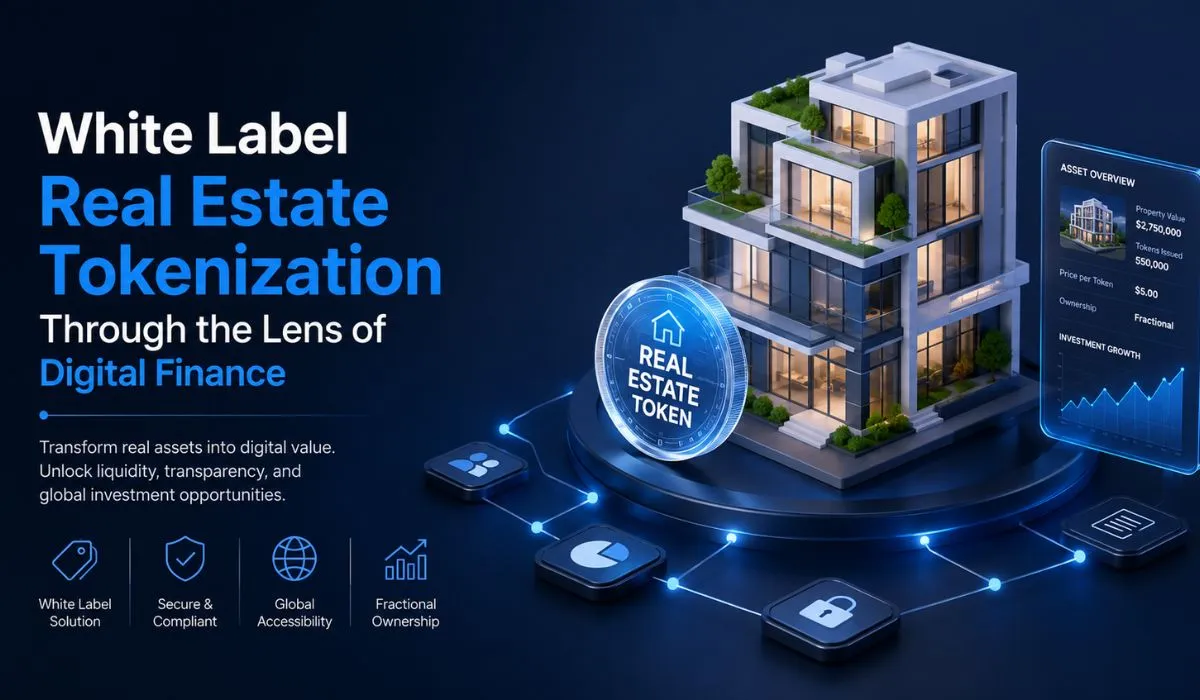
Digital finance has changed how businesses, investors, and financial institutions manage assets and investment opportunities. One area receiving growing attention is real estate tokenization, where ownership rights are represented as digital tokens on blockchain networks. Instead of depending on lengthy paperwork, multiple intermediaries, and limited investor participation, tokenized property creates a more structured digital investment environment.
Many organizations want to enter this market without spending years developing technology from scratch. This is where White Label Real Estate Tokenization becomes a practical option. Rather than creating every feature internally, businesses can launch a ready-to-use platform under their own brand while focusing on customer acquisition, compliance, and business growth.
From the perspective of digital finance, tokenized real estate is no longer viewed only as a blockchain concept. It is becoming part of modern financial ecosystems where digital assets, regulated investments, and automated operations work together. A White Label Real Estate Tokenization Platform gives businesses the opportunity to participate in this market with fewer technical challenges while maintaining complete brand identity.
This article explains how white label tokenization fits into digital finance, the benefits it offers, the technologies involved, and why businesses across different industries are considering this model for future property investment solutions.
Digital Finance and the Rise of Tokenized Property
Digital finance refers to financial products and services delivered through modern digital technologies. Online banking, digital payments, digital lending, blockchain networks, and digital investment platforms all fall under this category.
Real estate has traditionally been one of the least digitized investment sectors. Property transactions usually involve documentation, legal verification, brokers, financial institutions, and multiple approval processes. These procedures often increase costs and extend transaction timelines.
Tokenization introduces a digital representation of ownership. Instead of transferring an entire property, ownership can be divided into multiple digital units. Investors purchase these units according to their investment capacity while property ownership records remain securely stored on blockchain infrastructure.
As digital finance continues expanding globally, businesses are looking for quicker methods to launch tokenized investment platforms. White Label Real Estate Tokenization offers an opportunity to enter this growing market without beginning software development from the ground up.
Understanding White Label Real Estate Tokenization
White label tokenization refers to ready-made software that companies license and rebrand as their own product. The business receives an operational platform that already includes many required features while maintaining its own logo, business identity, and customer experience.
Instead of investing years in research, software architecture, testing, and deployment, organizations can begin operations with a platform that has already completed much of the technical work.
A White Label Real Estate Tokenization Platform generally supports property listing, investor onboarding, digital wallet integration, token issuance, compliance workflows, transaction history, reporting, and administrative management.
This approach allows companies to dedicate more attention to partnerships, marketing, regulatory planning, and expanding investment opportunities rather than software engineering challenges.
Why Digital Finance Supports White Label Solutions
Digital finance focuses on efficiency, automation, security, and broader access to financial products. White label platforms naturally align with these objectives because they reduce development timelines while supporting digital investment models.
Businesses entering tokenized real estate often face several concerns.
- Software development costs
- Regulatory preparation
- Blockchain integration
- Digital asset management
- Investor onboarding
- Security testing
Using White Label Real Estate Tokenization Development helps businesses reduce much of the technical workload associated with launching a new investment platform.
Instead of managing every development stage independently, organizations receive an established framework that can be introduced under their own brand identity.
How Tokenized Real Estate Fits Within Modern Financial Markets
Digital finance is no longer limited to payment applications and online banking. Investment markets are gradually adopting blockchain technology for various financial assets.
Tokenized real estate allows investors to purchase fractional ownership rather than acquiring entire buildings. This creates investment opportunities for individuals and institutions with different capital levels.
Financial firms can also benefit from digital ownership records, automated distributions, and blockchain-based transaction histories.
The combination of digital finance and White Label Tokenization Platform solutions creates an environment where businesses can launch regulated property investment services with fewer operational complexities than traditional development methods.
Major Components of a White Label Real Estate Tokenization Platform
Every successful platform combines multiple technologies into a single investment ecosystem. While implementations differ between providers, most solutions include several common components.
Property Management Module
Administrators upload property details, valuation reports, legal documents, ownership information, and investment summaries. Investors can review available opportunities before making investment decisions.
Investor Registration
Modern digital finance platforms require proper identity verification. Registration workflows usually include Know Your Customer verification, document submission, and approval procedures before investment begins.
Token Creation
Property ownership is converted into digital tokens representing specific ownership percentages. Businesses can determine supply limits, pricing structures, and investment rules according to project requirements.
Digital Wallet Integration
Wallet connectivity allows investors to receive, store, transfer, and manage property tokens securely while viewing investment balances through a user dashboard.
Administrative Dashboard
Platform administrators monitor transactions, user activity, token circulation, compliance status, and property performance from a centralized management interface.
These features are commonly included in White Label Real Estate Tokenization Platform Development projects designed for businesses entering digital finance.
Benefits for Financial Institutions
Banks, investment firms, asset managers, and financial service providers are increasingly evaluating blockchain applications.
White label tokenization provides several business advantages.
Faster Market Entry
Financial organizations avoid lengthy software development cycles and focus on launching investment services more quickly.
Lower Development Investment
Developing blockchain software internally often requires specialized development teams, testing infrastructure, and ongoing maintenance. White label solutions reduce much of this initial expenditure.
Brand Ownership
Although the software originates from a technology provider, businesses present the platform under their own branding, allowing customers to interact directly with the financial institution.
Operational Consistency
Many operational processes such as investor registration, token issuance, transaction recording, and reporting are already integrated into the platform.
Compliance Within Digital Finance
Regulatory compliance remains one of the most important areas in digital asset management.
Property tokenization frequently involves securities regulations depending on jurisdiction. Businesses should evaluate legal requirements before offering investment opportunities.
Compliance measures commonly include:
- Know Your Customer verification
- Anti Money Laundering procedures
- Investor eligibility checks
- Digital agreement management
- Audit records
- Regulatory reporting
Many White Label Real Estate Tokenization Services include compliance-ready features that simplify regulatory preparation while allowing businesses to adjust configurations according to regional requirements.
Blockchain as the Infrastructure Behind Digital Finance
Blockchain functions as the digital ledger recording every transaction related to property ownership.
Instead of relying on isolated databases, blockchain records ownership history in chronological order. Each transaction receives a permanent timestamp, making ownership verification easier throughout the investment lifecycle.
Smart contracts also perform various automated functions such as token issuance, dividend distribution, ownership transfers, and transaction validation according to predefined conditions.
These technologies support digital finance by reducing manual processing across many routine operations.
Business Models Using White Label Tokenization
Different industries can adopt tokenized real estate according to their commercial objectives.
Real Estate Companies
Property developers can raise investment capital from a wider investor base while offering fractional ownership opportunities.
Investment Firms
Asset management companies can introduce digital real estate portfolios through branded investment platforms.
Financial Technology Companies
FinTech businesses can expand existing financial products by introducing blockchain-based property investments.
Property Management Firms
Companies managing commercial and residential assets can digitize investment participation while improving portfolio accessibility.
Family Offices
Private investment organizations may diversify portfolios using tokenized real estate while maintaining digital ownership records.
Factors to Evaluate Before Launching
Launching a tokenized investment platform requires planning beyond software installation.
Businesses should consider several important areas.
Legal Framework
Different countries apply different regulations to digital securities and property investments.
Property Verification
Every listed property should undergo legal verification and valuation before token issuance.
Blockchain Selection
Choosing an appropriate blockchain network affects transaction costs, performance, interoperability, and long-term maintenance.
Security
Wallet protection, encryption, access controls, authentication, and continuous monitoring help reduce cybersecurity risks.
User Experience
Investors generally prefer straightforward registration, simple investment procedures, and easy portfolio management.
Proper planning across these areas contributes to successful White Label Real Estate Tokenization Development.
The Future of Digital Finance and Real Estate
Digital finance continues introducing new methods for managing financial assets, investments, and ownership records. Property markets are gradually participating in this movement through blockchain-based ownership models.
Institutional investors are showing growing interest in digital asset management, while financial regulators continue developing policies that address blockchain investment activities.
Businesses that introduce tokenized investment platforms today gain practical experience before wider market adoption continues over the coming years.
As blockchain technology matures alongside digital finance, white label platforms provide businesses with an opportunity to participate without undertaking lengthy software development projects from the beginning.
Organizations that combine regulatory preparation, reliable technology, investor education, and quality customer support are likely to remain competitive as digital property investment continues expanding across international markets.
Conclusion
Digital finance is changing how investment products are introduced, managed, and accessed, and real estate is becoming part of this movement through blockchain-based ownership models. White Label Real Estate Tokenization gives businesses a practical path to launch branded investment platforms while reducing development time and technical complexity. A reliable White Label Real Estate Tokenization Platform with features for compliance, investor management, token issuance, and asset administration helps companies participate in digital property markets with greater operational confidence. Businesses planning long-term growth should also evaluate experienced technology providers that understand regulatory requirements and blockchain implementation. Blockchain App Factory provides White Label Real Estate Tokenization Services, helping organizations launch branded tokenization platforms that align with modern digital finance requirements.
FAQs
1. What is White Label Real Estate Tokenization?
White Label Real Estate Tokenization is a ready-to-use blockchain platform that businesses can rebrand as their own for offering tokenized real estate investment opportunities without developing the entire software independently.
2. Who can use a White Label Real Estate Tokenization Platform?
Real estate companies, investment firms, financial institutions, FinTech businesses, asset managers, and property investment companies can use these platforms to introduce digital property investment services.
3. What features are commonly included in White Label Real Estate Tokenization Platform Development?
Common features include investor onboarding, property listing management, token issuance, wallet integration, compliance tools, reporting dashboards, transaction history, and administrative controls.
4. Why do businesses choose White Label Real Estate Tokenization Development?
Businesses often choose this approach because it reduces software development effort, lowers initial investment, shortens launch timelines, and allows them to focus on business operations and customer growth.
5. How do White Label Real Estate Tokenization Services support digital finance?
White Label Real Estate Tokenization Services provide technology that supports digital ownership records, blockchain-based transactions, compliance workflows, automated investment operations, and branded investment platforms suitable for modern financial ecosystems.
Related Reading
Top 10 Hidden Secrets About Business & Finance You Need to Know
Welcome to our in-depth exploration of Business & Finance. In an era defined...
Why Business & Finance is Transforming the Global Industry Landscape
Welcome to our in-depth exploration of Business & Finance. In an era defined...