Where Do Wholesale Orders Get Stuck in Processing?
By zavk35
32 Views
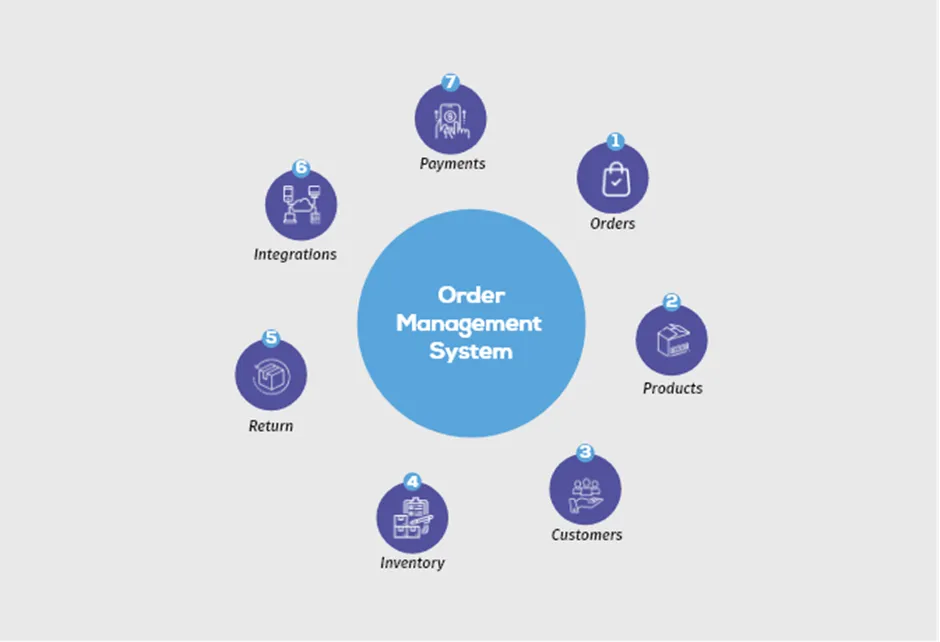
Wholesale order processing is meant to move smoothly from one stage to the next, but in reality, delays can happen at several points. For Australian businesses handling bulk orders, even a small hold-up can affect stock availability, dispatch schedules, cash flow, and customer trust. In many cases, the problem is not one single failure but a chain of minor issues that builds up over time. A well-run wholesale order management system can help reduce these risks by giving teams better visibility, but it is still important to understand where bottlenecks usually occur and why.
This article explains the most common points where wholesale orders get stuck, what causes the delays, and what businesses can do to keep orders moving. Whether you manage a warehouse, sales team, or back-office operation, identifying these weak spots is the first step towards faster and more reliable processing.
Key points
- Most wholesale delays happen during order entry, approval, stock checking, payment verification, picking, or dispatch.
- Poor communication between sales, warehouse, and finance teams is a major cause of processing slowdowns.
- Manual data entry and inconsistent product information often lead to errors and rework.
- Stock shortages, credit checks, and unclear customer terms can pause orders unexpectedly.
- Clear workflows, automation, and regular process reviews help reduce bottlenecks.
Why wholesale orders get delayed
Wholesale orders are more complex than standard retail transactions. They often involve larger quantities, negotiated pricing, specific delivery instructions, credit arrangements, and multiple approval steps. Because of this, processing can slow down at several stages if the right systems and checks are not in place.
In many Australian businesses, delays happen because information is spread across emails, spreadsheets, phone calls, and separate software tools. When staff need to chase details manually, the order sits idle. Even a short delay in one area can affect the whole fulfilment chain, especially during busy periods or when stock is limited.
1. Order entry and data capture
Incorrect or incomplete order details
One of the earliest points where wholesale orders get stuck is during order entry. If customer details, product codes, quantities, or delivery addresses are entered incorrectly, the order often cannot move forward until someone fixes the issue. This is especially common when orders arrive by email or phone and staff must re-enter the details manually.
Common problems include:
- Missing item numbers or SKU codes
- Incorrect pack sizes or quantities
- Outdated customer delivery information
- Unclear special instructions
- Pricing mismatches between quoted and entered amounts
These errors may seem small, but they create delays that ripple through the rest of the process. A simple typo can send an order back to the sales team for clarification, which wastes time and increases the chance of further mistakes.
2. Approval and credit checks
Orders waiting for sign-off
Many wholesale accounts operate on credit terms, so payment is not always taken upfront. This means orders may need approval before they can proceed. If a customer has exceeded their credit limit, has overdue invoices, or requires manager authorisation, the order can be placed on hold.
This stage often causes delays when approval rules are unclear or when the responsible staff member is unavailable. In some businesses, orders sit in inboxes waiting for a finance or sales manager to review them. Without a clear process, no one is sure who needs to act next.
To reduce this risk, businesses should define approval thresholds, set automated alerts for overdue accounts, and make sure staff can quickly see why an order has been paused.
3. Stock availability and inventory checks
When the warehouse and sales team are not aligned
Another common bottleneck is stock confirmation. Wholesale orders often depend on accurate inventory data, yet stock records can be out of date if goods have not been received, counted, or allocated properly. If the sales team accepts an order based on incorrect stock information, the warehouse may later discover that items are unavailable.
This is where orders often get stuck:
- Items are on backorder but not clearly marked
- Inventory counts do not match physical stock
- Reserved stock is accidentally offered to another customer
- Receiving delays have not been updated in the system
For wholesale businesses, stock visibility is critical. If different teams work from different information, the order may be accepted too early or held up while staff try to source missing items. Regular stock reconciliation and shared inventory access can prevent many of these issues.
4. Pricing and contract mismatches
When the numbers do not line up
Wholesale pricing is rarely fixed for every customer. Many buyers have agreed rates, volume discounts, or seasonal pricing structures. If the pricing in the order does not match the customer contract, the order may stop until the discrepancy is checked.
This can happen when:
- Old pricing tables are still being used
- Discounts were agreed verbally but not recorded
- Promotional terms were entered incorrectly
- Contract renewals have not been updated in the system
These mismatches slow things down because staff need to confirm what price should apply. In some cases, the customer must be contacted again, which creates more back-and-forth and extends processing time.
5. Picking, packing, and warehouse workflow
Operational delays inside fulfilment
Even when an order is approved and stock is available, it can still get stuck in the warehouse. Picking and packing delays are common when the warehouse is understaffed, the layout is inefficient, or orders are not prioritised correctly.
Examples of warehouse-related delays include:
- Orders printed but not assigned to a picker
- Items stored in multiple locations with no clear system
- Damaged or missing stock discovered during picking
- Bulk orders waiting behind smaller urgent jobs
Wholesale fulfilment often involves large, mixed-item orders that take longer to assemble. If the warehouse process is not streamlined, staff may spend too much time searching for items or correcting packing errors. This is one of the most practical areas for improvement because small workflow changes can save significant time.
6. Dispatch and transport coordination
Shipping delays after the order is ready
Sometimes the order is fully picked and packed but still does not leave the warehouse on time. Dispatch delays can happen when transport bookings are missed, freight labels are incorrect, or delivery cut-off times are not met.
This stage often becomes a bottleneck when businesses rely on manual booking processes or when freight providers have strict collection windows. Orders may be ready, but if transport is not arranged correctly, they remain in limbo until the next dispatch run.
Businesses can reduce these problems by confirming freight requirements early, checking delivery deadlines at the time of order entry, and ensuring dispatch teams have clear handover procedures.
How to reduce processing bottlenecks
Reducing wholesale order delays starts with visibility. Businesses need to know exactly where each order is in the process and what is holding it up. The most effective improvements usually come from tightening communication between teams and removing repetitive manual tasks.
Practical steps that help
- Create a clear order workflow with defined responsibilities at each stage
- Use consistent product, pricing, and customer data across all teams
- Automate stock checks, approvals, and status updates where possible
- Set escalation rules for orders that remain on hold too long
- Review common delay points regularly and fix the underlying cause
It also helps to train staff to recognise the signs of a stuck order early. If a problem is identified within hours rather than days, it is usually much easier to resolve.
Conclusion
Wholesale orders usually get stuck in processing at a handful of predictable points, including order entry, approval, stock checking, pricing review, warehouse fulfilment, and dispatch. Most delays are caused by incomplete information, manual handling, or poor communication between departments. The good news is that these issues can be reduced with clearer workflows, more accurate data, and better visibility across the order lifecycle.
For Australian wholesalers, faster processing is not just about speed. It supports better customer service, healthier cash flow, and more reliable operations overall. By identifying where orders most often stall, businesses can make targeted improvements that keep work moving and reduce costly rework.
FAQ
Why do wholesale orders take longer to process than retail orders?
Wholesale orders often involve larger quantities, special pricing, credit terms, and delivery requirements. These extra steps mean there are more chances for delays compared with a standard retail purchase.
What is the most common reason wholesale orders get stuck?
One of the most common reasons is incomplete or inaccurate order information. If details are missing or incorrect, staff must stop and confirm the order before it can move forward.
How does stock accuracy affect order processing?
When stock records are not accurate, orders may be accepted for items that are unavailable. This leads to backorders, customer follow-ups, and delays in fulfilment.
Can credit checks slow down wholesale orders?
Yes. If a customer has overdue invoices, has exceeded their limit, or needs manual approval, the order may be placed on hold until the issue is resolved.
What can businesses do to reduce delays in dispatch?
They can confirm freight requirements earlier, use clear dispatch cut-off times, check labels carefully, and make sure warehouse and transport teams follow the same process.
Is automation useful for wholesale order processing?
Yes. Automation can reduce manual entry errors, speed up approvals, improve inventory visibility, and make it easier to track where each order is in the process.
Related Reading
Top 10 Hidden Secrets About Business & Finance You Need to Know
Welcome to our in-depth exploration of Business & Finance. In an era defined...
Why Business & Finance is Transforming the Global Industry Landscape
Welcome to our in-depth exploration of Business & Finance. In an era defined...