Wheel Alignment vs Wheel Balancing in Abu Dhabi: Clearing Up a Common Confusion
By spark wheel
18 Views
Ask most drivers what "wheel alignment" means, and there's a good chance they'll describe something closer to wheel balancing — or use the two terms interchangeably. It's an easy mix-up, since both services affect how smoothly a car drives and both are performed at the same tyre shops. But wheel alignment and wheel balancing address completely different mechanical issues, and understanding the distinction can help you request the right service, avoid unnecessary costs, and keep your vehicle running safely.
This guide breaks down exactly what each service does, how to tell which one your vehicle needs, and why getting wheel alignment in Abu Dhabi right — separately from balancing — makes a real difference to your driving experience.
Two Different Problems, Two Different Fixes
At the simplest level, the distinction comes down to this: wheel alignment adjusts the angles at which your wheels meet the road, while wheel balancing corrects uneven weight distribution within the tyre and wheel assembly itself.
They sound similar because both problems produce overlapping symptoms — vibration, uneven tyre wear, and a less comfortable ride — but the underlying causes, and the fixes, are entirely different.
What Wheel Alignment Actually Does
Wheel alignment involves adjusting your vehicle's suspension components so that the wheels sit at the correct angles relative to each other and the road surface. This typically involves three measurements: camber (inward or outward tilt), toe (whether wheels point slightly in or out relative to each other), and caster (the forward or backward angle of the steering axis).
Misalignment usually results from:
- Hitting a pothole, curb, or speed bump with enough force to shift suspension components
- Gradual wear of suspension parts over time
- Minor accidents or impacts, even ones that don't cause visible damage
- Normal wear and tear accumulating over tens of thousands of kilometers
When alignment is off, you'll typically notice the vehicle pulling to one side, an off-center steering wheel, or uneven wear concentrated on the inner or outer edge of your tyres.
What Wheel Balancing Actually Does
Wheel balancing addresses a completely different issue: uneven weight distribution around the wheel and tyre assembly. Even tiny manufacturing variations in a tyre, or wear that develops over time, can create heavier and lighter spots around the wheel's circumference. As the wheel spins at speed, this imbalance creates a wobble, which technicians correct by attaching small weights to counteract the unevenness.
Balancing issues typically arise from:
- Normal tyre wear that develops asymmetrically over time
- Manufacturing variations, even in high-quality tyres
- Loss of a balancing weight after hitting a significant bump
- Fitting a new tyre, which always requires fresh balancing regardless of the old tyre's condition
The telltale sign of a balancing issue is vibration that appears specifically at certain speeds — often most noticeable between 80 and 110 km/h — and is usually felt through the steering wheel or the seat, rather than a persistent pulling sensation.
How to Tell Which Service You Need
Since both issues can cause vibration and irregular wear, distinguishing between them isn't always obvious to drivers without technical training. That said, a few patterns can help point you in the right direction before your visit:
Persistent pulling to one side while driving straight is a strong indicator of an alignment issue rather than a balancing problem.
Vibration that appears only within a specific speed range, and disappears at other speeds, more commonly points to a balancing issue.
An off-center steering wheel when driving straight almost always indicates alignment is the culprit.
Vibration felt shortly after fitting new tyres, without any pulling, is typically a balancing issue rather than alignment, since new tyres need fresh balancing regardless of prior alignment status.
Uneven wear concentrated on one edge of the tyre tread points toward alignment, while wear that appears more evenly distributed but accompanied by vibration often suggests balancing.
Ultimately, a professional inspection is the most reliable way to diagnose the issue accurately, since the symptoms can overlap, and some vehicles genuinely need both services simultaneously.
Why Both Matter for Abu Dhabi Drivers
Given Abu Dhabi's driving conditions — long highway stretches, hot climate, and a mix of well-maintained and occasionally uneven roads — both alignment and balancing play a meaningful role in vehicle performance and safety.
Highway driving amplifies both issues. At higher speeds, even small imbalances or misalignments become more noticeable and more damaging over time, making regular checks particularly valuable for drivers who frequently use routes like Sheikh Zayed Road or the highway to Al Ain and Dubai.
Heat accelerates tyre wear from both causes. High temperatures already put extra stress on tyres, and combining that with alignment or balancing issues compounds wear even faster than in cooler climates.
Fuel efficiency takes a hit either way. Both misalignment and imbalance increase rolling resistance or cause uneven contact with the road, requiring more engine effort to maintain speed — a relevant consideration given regular long-distance commuting in and around the capital.
Do You Need Alignment and Balancing at the Same Time?
Not necessarily, but there are situations where getting both makes practical sense:
After fitting new tyres. New tyres should always be balanced, and it's a good opportunity to check alignment as well, since starting with correctly aligned, balanced tyres maximizes their lifespan from day one.
Following a significant pothole or curb impact. Since impacts can affect both alignment and balance (if a weight is dislodged), it's worth having both checked after a notable incident.
During routine maintenance visits. Bundling an alignment check with your regular tyre rotation or balancing schedule is an efficient way to catch either issue early, before it leads to premature tyre wear.
If symptoms are unclear or overlapping. When you can't confidently distinguish between the two based on symptoms alone, having both checked during the same visit saves a follow-up trip.
What to Expect at the Shop
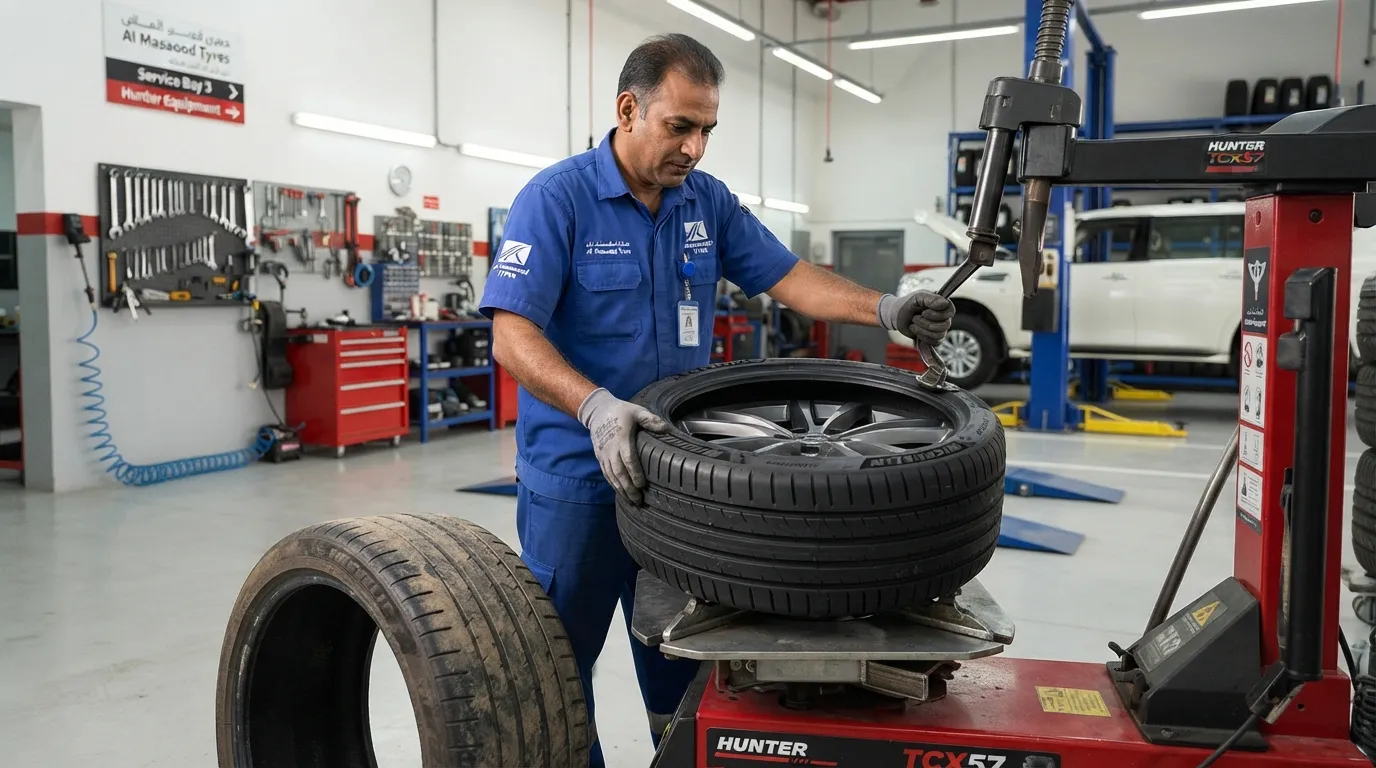
For balancing, a technician mounts each wheel on a balancing machine, spins it to detect uneven weight distribution, and attaches small weights at the appropriate points to correct it. This is a relatively quick process, often completed within 10 to 15 minutes per wheel.
For alignment, the vehicle is positioned on a specialized alignment rack, and computerized sensors measure the camber, toe, and caster angles for each wheel. Technicians then make precise adjustments to bring these angles within the manufacturer's specified range, followed by a final verification measurement. This process typically takes 30 minutes to an hour.
Reputable shops will explain which service your vehicle actually needs based on their inspection, rather than automatically recommending both regardless of the underlying issue.
Final Thoughts
Wheel alignment and wheel balancing might get lumped together in casual conversation, but they solve genuinely different problems — one adjusts suspension angles, the other corrects weight distribution within the wheel assembly. Knowing the difference helps you communicate more clearly with your tyre shop, understand exactly what you're paying for, and recognize the specific symptoms that point to each issue.
For drivers navigating Abu Dhabi's highways and city streets, staying attentive to both alignment and balancing isn't about chasing every possible service — it's about addressing the right issue at the right time, extending tyre life, improving fuel efficiency, and keeping your ride smooth and safe over the long run.
Related Reading
Top 10 Hidden Secrets About Business & Finance You Need to Know
Welcome to our in-depth exploration of Business & Finance. In an era defined...
Why Business & Finance is Transforming the Global Industry Landscape
Welcome to our in-depth exploration of Business & Finance. In an era defined...