What Types of Packaging Inserts Keep Candles Safe During Shipping?
By Steve Smith
8 Views
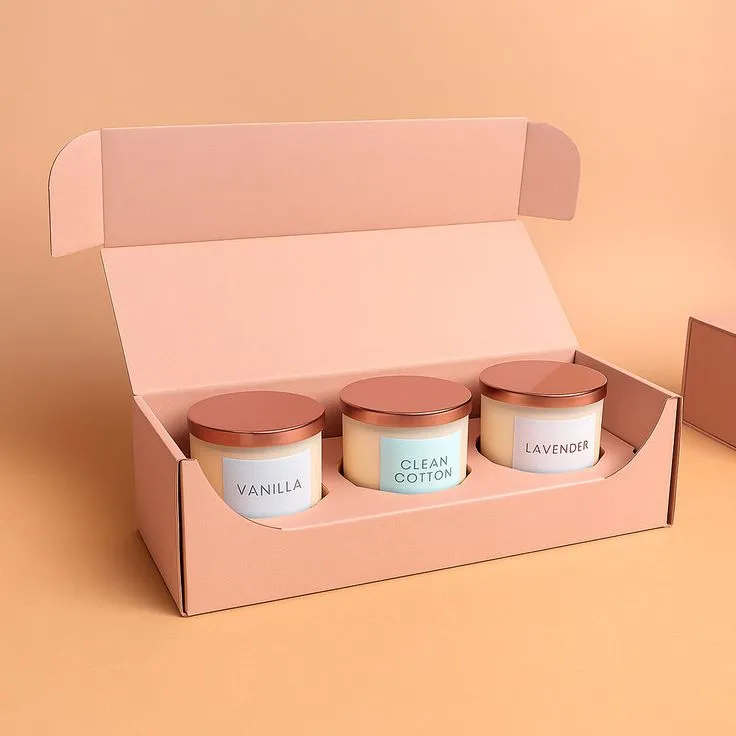
A candle can look perfect when it leaves your workshop and still arrive with a cracked jar, a dented lid, or a smeared top. Most of that damage happens in transit, when packages get dropped, stacked, and jostled by carriers like UPS, FedEx, and USPS. The right insert is what separates a happy customer from a refund request.
This guide covers the main insert types, how they compare, and how to choose the right one for your candles.
Why Candles Are Hard to Ship
Candles look sturdy, but they fail in several ways:
-
Glass jars crack from impact or from jars knocking against each other.
-
Tins and metal containers dent, which ruins the look, even if the candle is fine.
-
Wax surfaces scuff or crack when the candle shifts inside the box.
-
Heat softens wax. Soy and coconut blends are especially sensitive, and a hot delivery truck in July can leave a melted, lopsided candle.
-
Wicks and lids loosen when a candle rattles around in an oversized box.
A good insert does three jobs: it holds the candle still, absorbs shock, and keeps candles from touching each other.
The Main Types of Packaging Inserts
1. Corrugated Cardboard Dividers
These are the interlocking cardboard grids you see inside wine and bottle shipments. They create individual cells so each candle sits apart from its neighbours. They work well for multi-candle orders, are fully recyclable, and cost little. On their own, they offer limited cushioning, so pair them with a wrap for fragile glass.
2. Moulded Pulp Inserts
Made from recycled paper fibre pressed into a shape, moulded pulp trays cradle a candle in a snug, form-fitting pocket. They absorb a surprising amount of shock and look clean when the customer opens the box. They are also easy to recycle or compost, which appeals to eco-minded buyers. The tradeoff is that you need a shape that matches your jar size, so they suit brands with consistent product dimensions.
3. Foam Inserts (EPE and Polyurethane)
Foam is the classic choice for premium or fragile items. Die-cut foam holds a candle firmly and absorbs impacts better than most paper options. It is also light, which keeps shipping costs down. The downsides are environmental: many customers dislike foam, and it is harder to recycle. If you use it, consider offering clear disposal guidance.
4. Honeycomb Paper Wrap
This is a paper sheet with a cut pattern that expands into a honeycomb cushion when you wrap it around a product. It is a strong plastic-free alternative to bubble wrap. It moulds around odd shapes, ships flat before use, and recycles with regular paper.
5. Paperboard and Chipboard Sleeves
A snug paperboard sleeve around the candle, or a folding carton insert, protects the sides and keeps the lid from rubbing on the box. It does not replace cushioning, but it adds structure and a polished look.
6. Kraft Paper, Crinkle Paper, and Tissue
These fill the empty space and prevent sliding. Tissue wrapped around a jar protects against scuffs, while crumpled kraft paper packed into gaps stops movement. Used alone, they are not enough for heavy glass candles, but they make a good finishing layer.
7. Air Pillows and Bubble Wrap
Both are lightweight and cheap. Air pillows are good for filling voids, and bubble wrap protects glass well when wrapped several times around it. The main drawback is that they use plastic, and they can shift or deflate if not packed correctly.
Insert Comparison at a Glance
|
Insert Type |
Protection Level |
Eco-Friendliness |
Best For |
Relative Cost |
|
Corrugated dividers |
Medium |
High (recyclable) |
Multi-candle orders |
Low |
|
Moulded pulp trays |
High |
High (recyclable/compostable) |
Uniform jar sizes, gift sets |
Medium |
|
Foam inserts |
Very high |
Low |
Premium or very fragile candles |
Medium to high |
|
Honeycomb paper wrap |
Medium to high |
High (recyclable) |
Single candles, mixed shapes |
Low to medium |
|
Paperboard sleeves |
Low to medium |
High (recyclable) |
Scuff protection, presentation |
Low |
|
Kraft/tissue/crinkle paper |
Low |
High |
Filling gaps, final layer |
Very low |
|
Air pillows/bubble wrap |
Medium |
Low |
Void fill, extra glass cushioning |
Low |
How to Choose the Right Insert
Start with your candle, not your budget. These questions help:
What is the container made of? Glass needs cushioning on all sides. Tins mainly need protection from dents. Wooden or ceramic vessels need padding at the corners.
How heavy is it? A 16-oz jar creates much more impact force than a 4-oz votive. Heavier candles need stronger inserts and tighter fits.
Are you shipping one candle or several? Multi-candle orders need dividers so jars never touch.
Where and when are you shipping? Summer shipping to southern states calls for extra care. Consider insulated liners or cooling packs, and avoid shipping over weekends when packages sit in warm facilities.
What is the customer experience? Candles are often gifts. If you sell gift sets, the insert doubles as part of the presentation. This is where a well-planned Custom Candle Gift Packaging Box in USA can set your brand apart, because a box built around your exact jar size protects the candle and makes the unboxing feel deliberate.
Packing Tips That Make Inserts Work Better
-
Choose a right-sized box. Too much empty space lets the candle move, even with an insert. Aim for a snug fit with about an inch of cushioning around the product.
-
Wrap first, insert second. Tissue or paper around the candle protects the surface, and the insert handles shock.
-
Secure the lid. A tape or a shrink band keeps lids from loosening in transit.
-
Use the shake test. Close the box and shake it gently. If you hear or feel movement, add more filler.
-
Add a “Fragile” label. It does not guarantee gentle handling, but it helps.
-
Test before you scale. Run a few drop tests from waist height, and consider guidelines from ISTA, a packaging testing association, if you ship large volumes.
Common Mistakes to Avoid
-
Relying on loose peanuts or paper alone for heavy glass candles
-
Using a box much larger than the candle
-
Stacking multiple candles without dividers
-
Ignoring heat during summer shipping
-
Choosing an insert that looks great but was never drop-tested
Final Thoughts
There is no single best insert for every candle. Moulded pulp and honeycomb paper strike a good balance for most small brands, foam suits the most fragile products, and dividers are the simplest fix for multi-candle orders. Whichever you choose, test it, keep the fit snug, and think about both protection and presentation.
If you want a partner to help design inserts and boxes sized exactly to your candles, The Premier Packaging is one option to explore. Better protection means fewer breakages, fewer refunds, and more repeat customers.
Related Reading
Top 10 Hidden Secrets About Business & Finance You Need to Know
Welcome to our in-depth exploration of Business & Finance. In an era defined...
Why Business & Finance is Transforming the Global Industry Landscape
Welcome to our in-depth exploration of Business & Finance. In an era defined...