What to Know About Concrete Floor Coatings for Your Property
By Jone Handre
14 Views
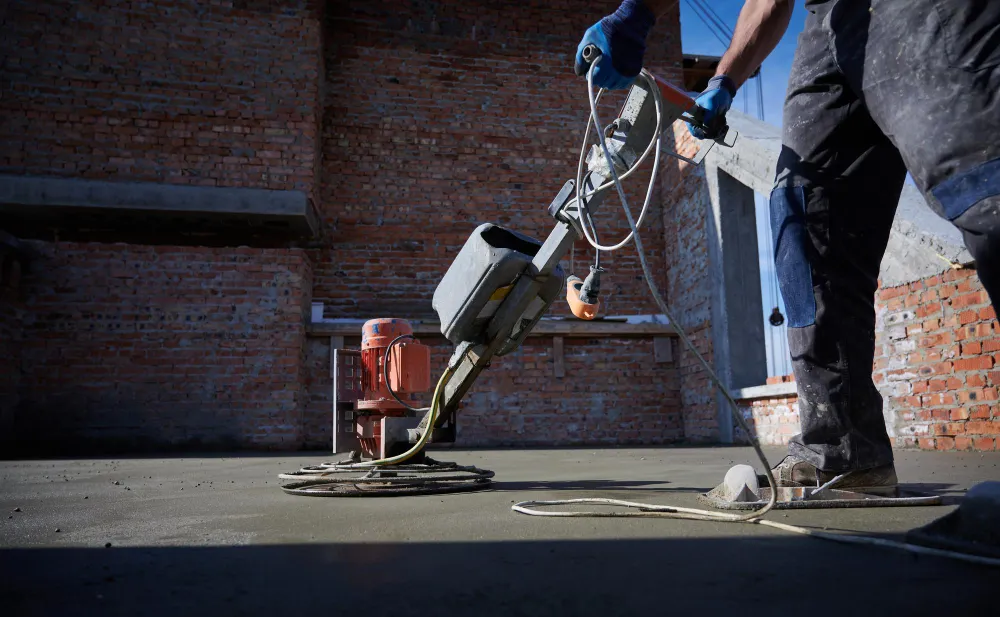
If you’ve been staring at a cracked, stained, or dusty concrete floor wondering if it’s time for an upgrade, you’re not alone. A good concrete floor coating in Kuna Idaho can transform a tired garage, shop, or basement into a space you’re actually proud of. But with so many options out there, it’s easy to feel overwhelmed before you even start.
This guide breaks down what actually matters—no jargon, no sales pitch, just the practical stuff you need to know.
Why Concrete Floors Need Coatings in the First Place
Bare concrete looks tough, but it’s porous and takes a beating over time. Idaho’s temperature swings—hot, dry summers followed by freezing winters—cause concrete to expand and contract constantly. That movement leads to hairline cracks, pitting, and surface dusting faster than most homeowners expect.
A quality coating does more than add shine. It seals the surface against moisture, oil, and road salt, which matters a lot if you’re dealing with Kuna’s gravel roads and winter de-icing chemicals tracked into garages. Without protection, untreated concrete absorbs these substances and deteriorates from the inside out.
Types of Coatings Worth Considering
Not all coatings are created equal, and picking the wrong one for your situation is a common (and costly) mistake. Here’s a quick rundown of what’s typically available:
- Epoxy coatings – Durable, glossy, and great for garages or workshops with heavy foot or vehicle traffic
- Polyaspartic coatings – Cure much faster than epoxy (often within a day) and resist UV yellowing better
- Polyurea coatings – Flexible and highly resistant to temperature shifts, a solid pick for Idaho’s climate
- Acid-stained concrete – More decorative than protective, best for patios or interior spaces without heavy wear
Each option has trade-offs in cost, durability, and application time. A reputable installer offering concrete coating in Kuna Idaho should walk you through which system fits your specific floor and usage, not just push whatever’s easiest to install.
Signs Your Floor Actually Needs a Coating
Not sure if your concrete is a good candidate? Look for these warning signs before they turn into bigger (and pricier) problems.
Visible Wear Patterns
Chalky residue on your shoes after walking across the garage, known as “dusting,” means the surface is breaking down. Spalling (small chips or flaking) and hairline cracks are also red flags. These issues only worsen with time, so catching them early saves money down the road.
Moisture and Staining Issues
If oil stains, tire marks, or water spots never seem to fully clean up, your concrete has likely absorbed contaminants into its pores. A properly applied coating creates a barrier that stops this cycle entirely, making future spills a simple wipe-up instead of a permanent mark.
What Goes Into a Proper Installation
This is where a lot of DIY attempts—and honestly, some rushed contractor jobs—go wrong. Surface prep makes or breaks the final result, regardless of which product you choose.
Here’s what a thorough job typically involves:
- Diamond grinding or shot-blasting to open the concrete’s pores for proper adhesion
- Crack repair and moisture testing before any coating touches the floor
- Applying a primer coat suited to your slab’s condition
- Multiple coating layers with adequate cure time between each
- A topcoat for UV resistance and added durability
Skipping steps—especially surface prep—is the number one reason coatings peel or bubble within a year or two. If a contractor quotes a same-day start with no mention of grinding or moisture testing, that’s worth asking more questions about.
How Long Does a Coating Actually Last?
This depends heavily on the product and how well it was installed. Epoxy systems in a residential garage can last 10-20 years with reasonable care. Commercial spaces with heavier traffic, forklifts, or chemical exposure might see a shorter lifespan, closer to 5-10 years, before recoating is recommended.
Climate plays a role too. A well-installed concrete floor coating Kuna Idaho homeowners choose for an attached garage will typically outlast one exposed to direct sun and temperature extremes, like a detached shop or outdoor patio.
Maintenance Tips to Extend the Life of Your Coating
Once installed, coatings aren’t maintenance-free, but they’re pretty low-effort compared to bare concrete. A little routine care goes a long way toward protecting your investment.
- Sweep or dust mop regularly to prevent grit from scratching the surface
- Clean spills promptly, especially automotive fluids and de-icing salt
- Use a pH-neutral cleaner instead of harsh chemicals or ammonia-based products
- Avoid dragging heavy metal objects or equipment across the floor
- Reapply a topcoat every few years in high-traffic commercial settings
Simple habits like these can stretch a coating’s lifespan by years, which matters whether it’s a residential garage or a working shop floor.
Choosing the Right Contractor for the Job
Not every installer has the same level of experience, and this is one project where cutting corners shows up fast—literally, in the form of peeling or bubbling. Ask potential contractors about their surface prep process, the brands they use, and whether they offer any workmanship warranty.
A trustworthy provider of concrete floor coatings Kuna Idaho residents rely on should be upfront about timelines, costs, and what your specific floor needs rather than offering a one-size-fits-all package. Getting a couple of quotes and asking detailed questions is worth the extra time.
Ready to Upgrade Your Floor?
Whether you’re dealing with a cracked garage floor, a dusty basement, or a commercial space that needs to handle daily wear, the right coating makes a real difference. If you’re weighing your options for concrete coatings in Kuna Idaho, booking a free consultation is the easiest way to get a straight answer about what your floor actually needs—no pressure, just honest advice.
FAQs
How long does it take to install a concrete floor coating?
Most residential garage projects take 1-3 days depending on the coating type and amount of surface prep required. Polyaspartic systems often cure faster than traditional epoxy.
Can a coating be applied over a cracked concrete floor?
Yes, but cracks need to be repaired and the slab properly prepped first. Skipping this step usually leads to the coating failing in that same spot later.
Is a concrete coating slippery when wet?
Not if it’s installed correctly. Most professional coatings include a non-slip additive mixed into the topcoat, which is especially important for garages or entryways exposed to rain or snow.
Related Reading
Expert Insights: Navigating the Complex World of Home Improvement
Welcome to our in-depth exploration of Home Improvement. In an era defined by ra...
Why Home Improvement is Transforming the Global Industry Landscape
Welcome to our in-depth exploration of Home Improvement. In an era defined by ra...