What to Expect During an Immigration Health Examination
By Trailty
67 Views
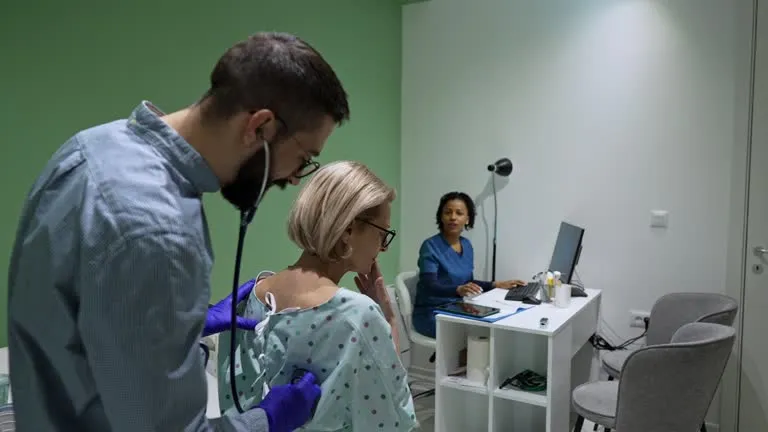
Preparing for an immigration health examination can feel uncertain, especially when you do not know what the appointment will involve. Immigration Medical Exams are designed to evaluate specific health conditions that may affect an applicant's eligibility under immigration rules. The process generally includes an immigration health screening, a review of medical history, and selected tests based on the applicant's age and applicable regulations. Understanding these stages beforehand can make the appointment feel much more manageable. Rather than treating the examination as a routine physical alone, applicants should view it as a structured assessment with specific documentation and testing requirements. Knowing what to bring, what questions may be asked, and how results are handled can also help prevent avoidable delays.
The examination also gives applicants an opportunity to identify missing records before the appointment becomes complicated. Depending on the immigration authority and visa category, the medical examination requirements can involve vaccination documentation, laboratory testing, a physical assessment, or additional investigations. Therefore, preparation should begin before the appointment date. Collecting previous medical records, vaccination information, identification documents, and relevant immigration paperwork can save time. In addition, applicants should understand that the examining physician follows immigration-specific instructions rather than simply performing every test included in a general health checkup. This distinction is important because the scope of the assessment depends on official requirements and the applicant's individual circumstances.
Getting Ready Before The Appointment Day
Good preparation can make the examination considerably easier because many problems arise from missing paperwork rather than from the examination itself. Applicants should first confirm that they are visiting an authorized physician or approved medical facility for their immigration application. They should then check which documents are required and whether any forms must be completed before arrival. Identification, appointment confirmation, immigration paperwork, vaccination records, previous medical reports, and information about current medications may be relevant. It is also useful to prepare a clear list of previous vaccinations and significant medical history. If records are unavailable, applicants should not assume they should simply guess. Instead, they should ask the authorized provider what documentation or testing is acceptable.
Documents Worth Bringing Along
Bring original or officially accepted identification and any immigration forms supplied by the relevant authority. Vaccination records are especially important because they can help the physician determine whether additional doses or documentation are needed. Previous medical reports may also be useful when they explain an ongoing condition, earlier treatment, or past investigation. Applicants who wear glasses or use prescribed medication should bring relevant information as well. Keeping everything together in a folder reduces the chance of forgetting something important. If the examining center has provided its own checklist, follow that list carefully because requirements can vary depending on the immigration process and applicant category.
Personal Details To Prepare
Applicants should be ready to answer questions about previous illnesses, surgeries, medications, hospitalizations, vaccinations, and other relevant medical history. The goal is not to create an intimidating interview but to give the physician accurate information for the assessment. Honest answers are important because incomplete or inaccurate information can create complications later. If you are unsure about a date or previous diagnosis, explain that rather than inventing an answer. It can also help to write down medication names and important medical events before arriving. This preparation keeps the appointment focused and allows the physician to document the information correctly.
What Happens When You First Arrive
The appointment usually begins with administrative checks before the medical portion starts. Staff may confirm your identity, review immigration paperwork, verify appointment details, and collect documents or forms. Depending on the facility, payment and registration may occur before the clinical assessment. The physician or medical staff will then explain the examination process and may ask questions about your health history. This initial stage is important because the provider needs to ensure that the correct applicant and immigration case are being assessed. Applicants should use this opportunity to ask practical questions if they are unsure about the next step or need clarification about missing documentation.
Initial Questions And Records Review
The physician may review information about your past health, vaccinations, medications, and relevant medical conditions. You may also be asked about previous treatment or medical procedures. These questions are intended to support the required immigration health assessment rather than provide a complete lifelong health evaluation. Answering clearly and honestly is the best approach. If you have supporting medical documents, provide them when requested. The provider may also check whether your existing vaccination records satisfy the applicable requirements. When information is incomplete, additional steps may be recommended depending on the official rules.
Basic Measurements And Examination
The clinical portion may include routine measurements and a general physical examination. Depending on the applicable instructions, the physician may assess areas such as height, weight, vision, hearing, blood pressure, and general physical condition. The exact scope can differ according to age and immigration requirements. Applicants should not assume that every person receives identical testing. Some parts of the assessment may be adjusted according to the official medical protocol. The physician's role is to complete the required examination and document the findings appropriately rather than perform unrelated tests simply because they are common in ordinary medical appointments.
Tests You May Be Asked To Complete
Testing is one of the areas applicants often worry about most, but the specific tests depend on the immigration rules that apply to the case. Required medical testing may include laboratory work or other examinations when the relevant regulations call for them. Age can also influence which tests are necessary. For that reason, applicants should avoid relying on another person's experience as a prediction of what their own appointment will involve. Two applicants applying through different immigration categories may have different requirements even if they visit the same medical facility.
Laboratory And Screening Procedures
Depending on the applicable rules, laboratory screening may be requested as part of the examination. These tests can help assess specific conditions identified by immigration authorities as relevant to the medical process. The physician or clinic should explain what samples are needed and whether any preparation is required. Applicants should follow the instructions provided by the authorized facility rather than attempting to arrange unrelated testing independently. If an abnormal result appears, it does not automatically mean that the immigration process is over. Further evaluation may sometimes be requested to clarify a finding or complete the official assessment.
Vaccination Record Verification
Vaccination documentation can play an important role in the appointment. The physician may review your records against the requirements that apply to your application. If documentation is missing, the provider may explain whether additional vaccination, laboratory evidence, or another form of verification is necessary. Requirements can depend on factors such as age and applicable immigration rules. Therefore, bringing reliable records is valuable. Applicants should also avoid receiving unnecessary vaccinations simply because they are uncertain about their records. The authorized medical provider can explain what is actually required after reviewing the available documentation.
Handling Privacy, Timing, And Follow-Up
Medical examinations involve personal information, so applicants naturally want to understand how their records are handled. The authorized clinic should explain the documentation process and how completed medical information is submitted or provided for the immigration application. Applicants should keep copies of documents that they are permitted to retain. It is also sensible to ask when results are expected and whether the clinic will contact them if additional information is needed. Understanding the communication process can reduce unnecessary anxiety while waiting for the medical paperwork to be completed.
The timeline can vary because some applicants need only the standard examination while others require additional testing or documentation. Results may not always be available immediately, particularly when laboratory work is involved. Applicants should therefore avoid scheduling important immigration deadlines too close to the examination unless they have confirmed the expected turnaround time. If the clinic asks for another appointment, respond promptly and clarify what remains outstanding. Keeping track of appointments, requested records, and submission deadlines creates a simple paper trail that can make the overall immigration process easier to manage.
Avoiding Common Problems During The Process
Most applicants can reduce unnecessary complications by preparing early and following the authorized provider's instructions. One common mistake is arriving without vaccination records or required immigration forms. Another is assuming that an ordinary doctor can perform the examination when immigration authorities require an approved physician. Applicants may also delay responding when a clinic requests additional documentation. These issues can extend the timeline even when there is no underlying medical concern. A careful preparation routine helps keep the process organized from the beginning.
Mistakes That Can Create Delays
Incomplete paperwork, inconsistent personal information, missing vaccination records, and failure to complete requested tests can all create avoidable delays. Applicants should review their documents before leaving home and confirm whether the clinic has special instructions. It is also important to disclose relevant medical history honestly. Trying to hide information can create more complications if records or testing later reveal inconsistencies. Instead, applicants should communicate openly and provide supporting documentation whenever it is available. If something is unclear, asking the clinic directly is generally safer than relying on assumptions or advice from unrelated sources.
Staying Organized Until Completion
Keep appointment confirmations, medical documents, receipts, vaccination information, and communication from the clinic in one secure location. After the examination, note whether additional action is required and record any follow-up appointment dates. If results are delivered electronically or through another system, keep confirmation of submission when possible. Organization becomes especially helpful when an immigration application contains multiple deadlines. By maintaining a clear record of what has already been completed and what remains outstanding, applicants can respond faster if the immigration authority or medical provider requests further information.
Taking The Right Next Step Afterward
After completing the examination, applicants should confirm whether the medical provider has finalized the required documentation and whether anything remains outstanding. If additional testing or records are requested, completing them promptly can prevent unnecessary delays. Applicants should also follow the submission instructions associated with their particular immigration process rather than assuming every application uses the same method. The most useful approach is simple: understand the instructions, keep your records organized, and communicate with the authorized provider whenever something is unclear.
If you still have questions about the immigration health screening process, speak with an authorized medical provider and ask exactly which documents, vaccinations, and tests apply to your application. Getting accurate information before the appointment can save time and help you arrive prepared. Rather than worrying about every possible medical scenario, focus on completing the official steps carefully and providing accurate information throughout the process.
Key Takeaways Before Your Examination
An immigration health examination is a structured process designed around specific medical and administrative requirements. Preparation begins with confirming the correct authorized provider and gathering identification, immigration documents, vaccination records, and relevant medical information. The appointment may include a health history review, physical examination, vaccination verification, and selected testing depending on the applicant's circumstances. Understanding this sequence can make the appointment feel more predictable and less stressful.
Most importantly, applicants should not assume that someone else's experience will match theirs. Requirements can vary based on age, application type, and the rules that apply at the time of the examination. Follow the instructions given by the authorized provider, answer medical questions honestly, and respond quickly if additional information is requested. With organized preparation and realistic expectations, applicants can approach the examination with greater confidence and a clearer understanding of what comes next.
Frequently Asked Questions About The Examination
Do all applicants receive identical medical tests?
No. The tests and examination components can vary according to the immigration rules, applicant age, visa category, vaccination history, and other applicable factors. The authorized medical provider determines what is required for the specific application.
Should I bring previous medical records?
Yes, when they are relevant and available. Previous records can help the physician understand medical history, verify treatment, and clarify vaccination information. However, applicants should follow the clinic's specific document instructions.
What happens if my vaccination records are incomplete?
The physician will review the available information and explain what is needed. Depending on the applicable requirements, additional vaccination, documentation, or another form of verification may be necessary.
Can an ordinary doctor complete the examination?
Not necessarily. Immigration authorities may require the examination to be completed by an authorized or approved physician. Applicants should confirm the correct provider before booking an appointment.
How long does the examination take?
The appointment length varies depending on the required examination, documentation review, and testing. Additional laboratory work or follow-up requirements can extend the overall completion timeline.
Does a request for more testing mean my application will fail?
Not automatically. Additional testing may simply be needed to clarify a result or complete missing information. The final immigration decision depends on the applicable rules and the complete application.