What to Expect After Fat Melting Injections
45 Views
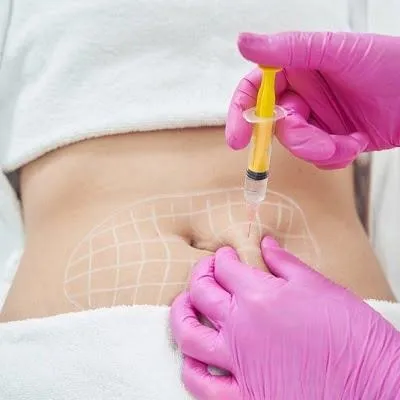
Fat melting injections, often discussed as a non-surgical approach to reducing small pockets of unwanted fat, have become increasingly popular among people seeking body contouring without traditional surgery. While the treatment may sound simple, understanding what happens afterward can help set realistic expectations and make the recovery period more comfortable.
The experience after Fat Melting Injections can vary depending on the substance used, the treatment area, the amount administered, and an individual’s response. Some people notice temporary swelling or tenderness, while others may experience bruising, redness, or sensitivity around the injection sites. These effects are often part of the body’s response to treatment, but persistent or severe symptoms should not be ignored.
It is also important to understand that fat-reducing injections are generally intended for localized areas rather than overall weight loss. They should not be considered a substitute for a balanced diet, regular physical activity, or medically appropriate weight-management care.
What Happens After Fat Melting Injections?
Immediately after Fat Melting Injections, the treated area may look different from what was expected. Mild swelling can temporarily make the area appear fuller rather than slimmer. This can understandably cause concern, but early swelling does not necessarily indicate that the treatment has failed.
The body needs time to respond to the treatment. Depending on the specific injection and treatment protocol, the active substance may affect fat cells, after which the body gradually processes and removes cellular debris.
Common short-term reactions can include:
- Mild swelling
- Redness around injection points
- Tenderness or sensitivity
- Bruising
- A feeling of firmness or tightness
- Temporary itching or discomfort
These effects can differ considerably between individuals. Some people return to their normal activities relatively quickly, while others prefer to take it easy for a day or two because of soreness or swelling.
The aftercare instructions provided by the treating professional should take priority because different injectable treatments can have different recommendations.
How Long Does Swelling and Bruising Last?
Swelling is one of the more noticeable effects after fat-reducing injections. It may develop soon after treatment and can become more noticeable during the first few days. Bruising can also occur, particularly in areas where small blood vessels were affected by the injections.
For many people, these temporary effects gradually improve over several days or weeks. However, the timeline is not identical for everyone.
Several factors can influence recovery, including:
- The treatment area
- Number of injections
- Amount of product used
- Individual healing response
- Skin sensitivity
- Whether bruising occurs easily
- The particular injectable formulation
During the early recovery period, the treated area may not provide an accurate indication of the eventual result. Comparing the area immediately after treatment with photographs taken several weeks later can therefore be misleading.
Instead, patients generally benefit from allowing the body sufficient time to settle before judging the outcome.
When Do Results From Fat Melting Injections Appear?
One of the most common questions surrounding Fat Melting Injections is how quickly results become visible. These treatments generally do not provide an instant transformation.
Depending on the product and treatment plan, the body may require several weeks to process the affected fat cells and for swelling to subside. Gradual changes can become easier to notice as the treated area settles.
Some individuals may notice a difference after one treatment, while others may require multiple treatment sessions to achieve their desired level of contouring. The final outcome can depend on the amount of localized fat, the treatment area, individual biology, and the specific product used.
It is helpful to distinguish fat reduction from weight loss. Fat-reducing injections are usually intended to improve the appearance of a localized area rather than significantly reduce body weight.
For example, someone may use treatment to address a small area of fullness that remains despite maintaining a relatively stable weight. The goal is generally contour improvement rather than a major change on the bathroom scale.
What Should Be Avoided After Treatment?
After receiving Fat Melting Injections, following professional aftercare guidance can help support a smooth recovery. Because instructions vary by treatment, patients should not assume that advice intended for one injectable product automatically applies to another.
In general, it may be advisable to avoid activities that could unnecessarily irritate the treated area during the initial recovery period. Depending on the treatment and the individual’s circumstances, this can include intense exercise, excessive heat exposure, or pressure on the treated area.
Patients should also avoid manipulating the area unless specifically instructed to do so. Massaging, rubbing, squeezing, or applying products without professional guidance may increase irritation.
Other sensible recovery habits include:
- Staying adequately hydrated
- Keeping the treated area clean as instructed
- Wearing comfortable clothing if the area is sensitive
- Following prescribed or recommended aftercare
- Monitoring changes rather than repeatedly touching the area
- Attending any recommended follow-up appointments
If a treating professional provides specific instructions that differ from general advice, those instructions should be followed.
Are Fat Melting Injections Safe?
The safety of fat-reducing injections depends heavily on the specific substance being injected, how it is administered, the treatment area, and the qualifications of the person performing the procedure.
Because injectable treatments can have different mechanisms, risks, and approved uses, consumers should not assume that every product marketed as a "fat melting injection" has the same safety profile.
Potential side effects may include temporary pain, swelling, redness, bruising, itching, or firmness. More significant complications can occur in some circumstances, particularly if an unsuitable substance is used or an injection is placed incorrectly.
This is why treatment should be approached as a medical procedure rather than simply a cosmetic service.
A qualified healthcare professional can assess whether the treatment is appropriate and discuss possible benefits, limitations, contraindications, and side effects. Patients should also know exactly what product is being considered and whether it is authorized for the intended use in their location.
Severe or worsening pain, spreading redness, significant skin changes, fever, drainage, marked asymmetry, difficulty swallowing or breathing, or other concerning symptoms warrant prompt medical attention.
How to Maintain Results After Fat Melting Injections
Once the treated area has settled, maintaining a stable lifestyle can support the overall appearance of body contours.
Fat-reducing injections should not be viewed as permission to abandon healthy habits. Regular physical activity, balanced nutrition, adequate sleep, and maintaining a relatively stable weight can all contribute to long-term body composition and appearance.
It is also important to remember that treatment of one localized area does not prevent fat from accumulating elsewhere. Changes in body weight can alter the appearance of the treated region as well as untreated areas.
A realistic approach is therefore to view Fat Melting Injections as one potential component of a broader body-contouring plan rather than a replacement for healthy lifestyle habits.
Results can also vary over time. Aging, hormonal changes, weight fluctuations, and other factors may influence body shape after treatment. Some individuals may eventually consider additional treatment, while others may be satisfied with the improvement achieved.
Frequently Asked Questions About Fat Melting Injections
1. How soon can someone return to normal activities after Fat Melting Injections?
Many people can resume ordinary daily activities relatively quickly, but the appropriate recovery period depends on the treatment area, product, number of injections, and individual response. Strenuous exercise or activities that irritate the treated area may need to be limited temporarily. The treating professional should provide personalized instructions.
2. Are Fat Melting Injections painful?
Discomfort varies from person to person. Injection-site stinging, tenderness, burning, or soreness may occur during or after treatment. The level of discomfort can depend on the injection technique, treatment area, and specific product used.
3. How many treatments are usually needed?
There is no universal number of sessions. Some people may see a noticeable improvement after one treatment, while others may need multiple sessions. The number of treatments depends on the amount of localized fat, the desired result, the injectable product, and how the individual's body responds.
4. Can Fat Melting Injections help with weight loss?
These treatments are generally designed for localized fat reduction and body contouring rather than significant weight loss. They should not be considered a treatment for obesity or a replacement for evidence-based weight-management strategies.
5. What happens if swelling lasts longer than expected?
Some swelling can persist while the body recovers, but prolonged, worsening, or unusually severe swelling should be discussed with the treating healthcare professional. Symptoms accompanied by severe pain, fever, significant skin discoloration, drainage, or other concerning changes should receive prompt medical evaluation.
6. Are the results permanent?
The longevity of results depends on the treatment, the individual, and changes in body weight over time. Reduction of treated fat cells may be long-lasting, but remaining fat cells can enlarge with weight gain. Maintaining a stable weight and healthy lifestyle can help preserve the overall contour.
Understanding what to expect after Fat Melting Injections can make the treatment experience more predictable and help patients distinguish normal short-term recovery effects from symptoms that may require medical attention. The most important step is choosing an appropriately qualified healthcare professional, understanding exactly what product is being used, and following individualized aftercare instructions.
Because injectable fat-reduction treatments differ substantially, prospective patients should focus on realistic expectations rather than promises of instant or dramatic results. A careful consultation can help determine whether the treatment is suitable and what kind of improvement may reasonably be expected.
Read More About Fat Melting Injections:https://www.bigbizstuff.com/articles/fat-melting-injections-for-belly-fat-do-they-work