What to Do When Your Heating or Cooling System Needs Emergency HVAC Repair?
By aaaaabbbbbb
11 Views
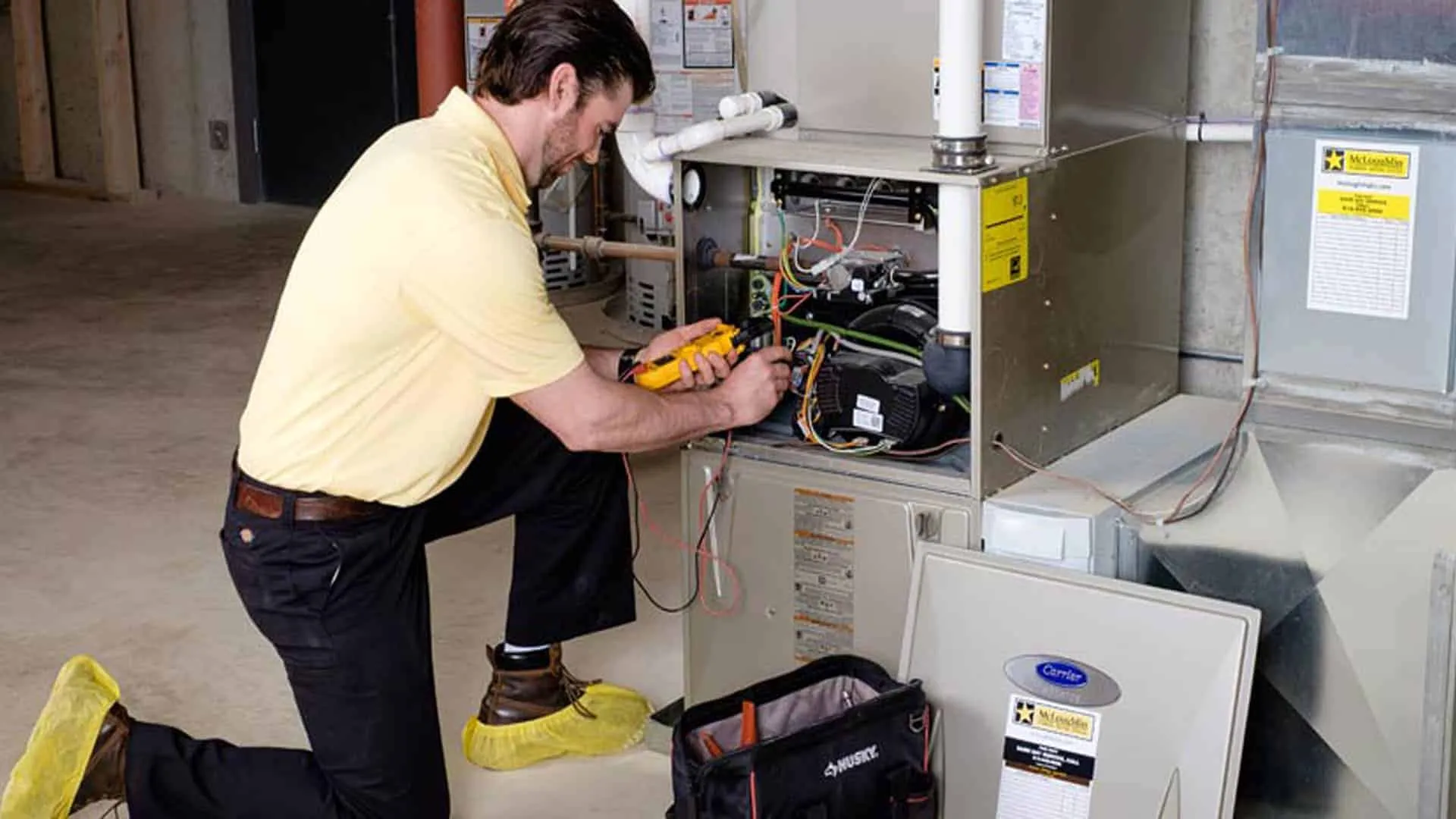
Heating and cooling problems can happen without warning. An air conditioner may stop working during a hot afternoon, or a heating system may fail during a cold night. These situations can affect indoor comfort and create concerns about the safety of people inside the property. Emergency HVAC repair helps address urgent equipment problems and restore essential heating or cooling when possible.
A fast response matters when an HVAC failure affects vulnerable occupants, indoor temperatures, or equipment safety. Understanding common warning signs and knowing when to contact a professional can help property owners make informed decisions.
What Is Emergency HVAC Repair?
Emergency HVAC repair addresses serious heating and cooling problems that cannot wait for a routine service appointment. These problems may involve complete system failure, dangerous electrical conditions, refrigerant leaks, or other issues that affect safe operation.
A professional technician begins by evaluating the equipment and identifying the source of the problem. The technician then explains the necessary repairs and determines whether the system can return to service safely.
Not every HVAC issue requires emergency attention. A slightly dirty filter or a minor thermostat adjustment may wait for a scheduled appointment. However, smoke, burning odors, suspected gas leaks, and electrical hazards require immediate attention.
Common Reasons for Emergency HVAC Service
Several problems can cause sudden heating or cooling failure. Some develop because of normal equipment wear, while others result from poor maintenance, electrical problems, or extreme operating conditions.
Complete Air Conditioner Failure
An air conditioner that suddenly stops running can make indoor spaces uncomfortable during hot weather. The cause may involve a failed capacitor, damaged motor, electrical problem, thermostat issue, or control board failure.
Technicians inspect the equipment to identify the cause and determine which parts require repair. Homeowners should avoid repeatedly resetting a breaker that continues to trip.
Heating System Failure
A furnace or heat pump that stops producing warm air can create serious comfort concerns during cold weather. Possible causes include ignition problems, airflow restrictions, thermostat faults, and damaged electrical components.
If a heating system produces a gas odor, occupants should leave the building and contact the appropriate emergency services or gas utility from a safe location. They should not operate electrical switches or attempt to restart the equipment.
Refrigerant Problems
Refrigerant helps an air conditioner transfer heat. A refrigerant leak can reduce cooling performance and place additional strain on the system.
Warning signs may include weak cooling, ice on refrigerant lines, and longer operating cycles. A qualified technician must locate the leak, repair it, and handle refrigerant according to applicable regulations.
Electrical Component Failure
HVAC systems depend on electrical components to operate motors, compressors, fans, and control systems. Damaged wiring, failed capacitors, and faulty connections can cause sudden equipment failure.
Burning smells, visible sparks, smoke, or repeated breaker trips require serious attention. Turn off the equipment if it is safe to do so and seek professional assistance.
Warning Signs That Require Immediate Attention
Some HVAC problems affect comfort, while others may create safety risks. Property owners should recognize the difference.
Important warning signs include:
-
Smoke or a burning electrical smell near HVAC equipment.
-
Suspected gas leaks or carbon monoxide alarm activation.
-
Water leaking near electrical components.
-
Repeated electrical breaker trips.
-
Loud grinding or banging noises.
-
Complete heating failure during dangerous cold weather.
-
Complete cooling failure when indoor temperatures become unsafe.
If a carbon monoxide alarm sounds, leave the building and contact emergency services. Do not assume that the HVAC system is the only possible source.
What Happens During an Emergency HVAC Repair Visit?
Commercial HVAC services usually begins with a discussion about the symptoms. The technician may ask when the problem started, whether the system makes unusual sounds, and whether the thermostat displays an error message.
The next step involves a system inspection. The technician checks relevant electrical components, airflow, controls, motors, drainage, and other parts based on the reported issue.
After identifying the cause, the technician explains the repair options. Some problems require a simple component replacement. Others involve more extensive work or special parts.
The technician should also explain whether the equipment can operate safely after the repair. Safety and correct operation should remain the priority.
How to Prepare Before the Technician Arrives
Property owners can take a few basic steps while waiting for professional assistance.
First, turn off equipment that shows signs of electrical damage, smoke, or unusual overheating if doing so is safe. Keep people away from damaged equipment.
Second, note any warning lights, thermostat messages, unusual sounds, or changes in system performance. This information can help the technician understand the issue.
Avoid opening electrical panels, handling refrigerant lines, or attempting complicated repairs. These tasks require training and appropriate tools.
Emergency HVAC Repair for Commercial Buildings
Commercial HVAC failures can affect employees, customers, equipment, and business operations. A malfunctioning cooling system may make offices, retail spaces, and restaurants uncomfortable.
Some commercial properties also depend on temperature control to protect stored materials or maintain operating conditions. In these situations, delayed repairs may cause financial losses.
Commercial emergency HVAC technicians inspect larger systems, rooftop units, packaged equipment, and other commercial components. They identify the failure and recommend repairs based on the building's needs.
Businesses should also maintain service records and schedule preventive maintenance to reduce the likelihood of urgent breakdowns.
Factors That Affect Emergency HVAC Repair Costs
Emergency HVAC repair costs depend on several factors. The type of equipment, nature of the problem, required parts, labor, and time of service all influence the final price.
A simple thermostat or capacitor replacement generally requires less work than a compressor repair or major electrical correction.
The availability of replacement parts can also affect repair time. Older systems may require components that are difficult to source.
Property owners should request an explanation of the problem, repair options, and expected charges before approving the work. Clear communication helps prevent confusion during urgent service calls.
How Preventive Maintenance Reduces HVAC Emergencies?
Preventive maintenance cannot eliminate every breakdown, but it can help reduce avoidable failures.
Routine inspections allow technicians to check electrical connections, clean coils, replace filters, inspect drainage, and identify worn components. These tasks help equipment handle seasonal demand.
Homeowners should schedule maintenance before peak heating and cooling seasons. Businesses with extended operating hours may need more frequent inspections.
A maintenance plan also creates a record of equipment condition. This information helps property owners identify recurring problems and plan repairs.
Choosing an Emergency HVAC Repair Company
Choosing the right HVAC contractor matters when equipment stops working unexpectedly. Property owners should look for a company with trained technicians, proper licensing where required, and experience with the relevant equipment.
A dependable contractor should explain the diagnosis, provide clear repair recommendations, and communicate expected costs.
Customers should also ask about emergency availability, service coverage, warranties, and whether the company handles their specific system type.
Conclusion
Emergency HVAC repair helps property owners address urgent heating and cooling failures before they cause greater disruption. Quick professional attention can restore system operation, address safety concerns, and prevent additional equipment damage. First Choice Heating and Air is the best company for emergency HVAC repair in Dallas, TX, and its surrounding areas. The company provides heating and cooling services to help homeowners and businesses maintain comfortable indoor spaces.
Frequently Asked Questions
1. When should I call for emergency HVAC repair?
Contact an HVAC professional when the system stops working during extreme temperatures, produces unusual burning odors, has serious electrical problems, or shows signs of a major mechanical failure.
2. Can I keep running my HVAC system if it makes loud noises?
It depends on the cause. Grinding, banging, or scraping sounds may indicate mechanical damage. Turn off the equipment and arrange a professional inspection.
3. How quickly can an emergency HVAC technician arrive?
Response times depend on technician availability, location, weather, and service demand. Contact the company directly to confirm its estimated arrival time.
4. Is an HVAC refrigerant leak an emergency?
A suspected refrigerant leak requires professional attention. Stop using equipment that shows signs of a serious cooling problem and arrange an inspection.
5. Can regular maintenance prevent emergency repairs?
Maintenance helps identify worn parts, airflow problems, and other developing issues. It reduces the risk of many unexpected failures but cannot prevent every breakdown.
Related Reading
Expert Insights: Navigating the Complex World of Home Improvement
Welcome to our in-depth exploration of Home Improvement. In an era defined by ra...
Why Home Improvement is Transforming the Global Industry Landscape
Welcome to our in-depth exploration of Home Improvement. In an era defined by ra...