What Should You Look for When Buying Garden Chairs?
35 Views
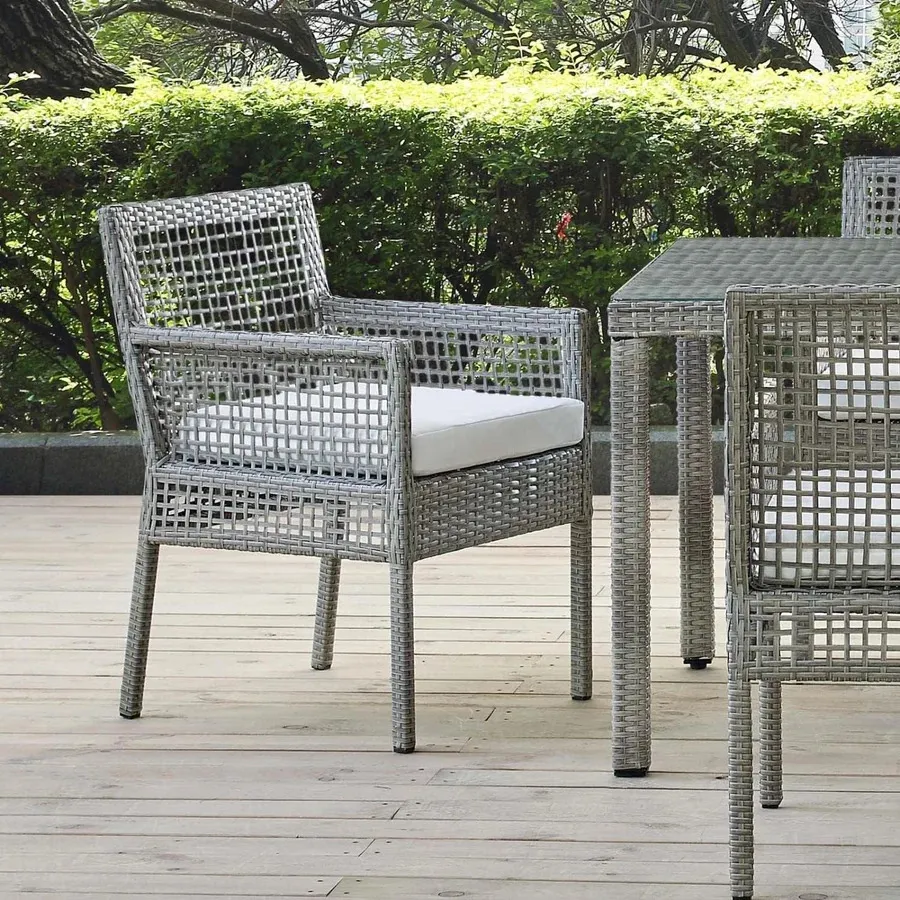
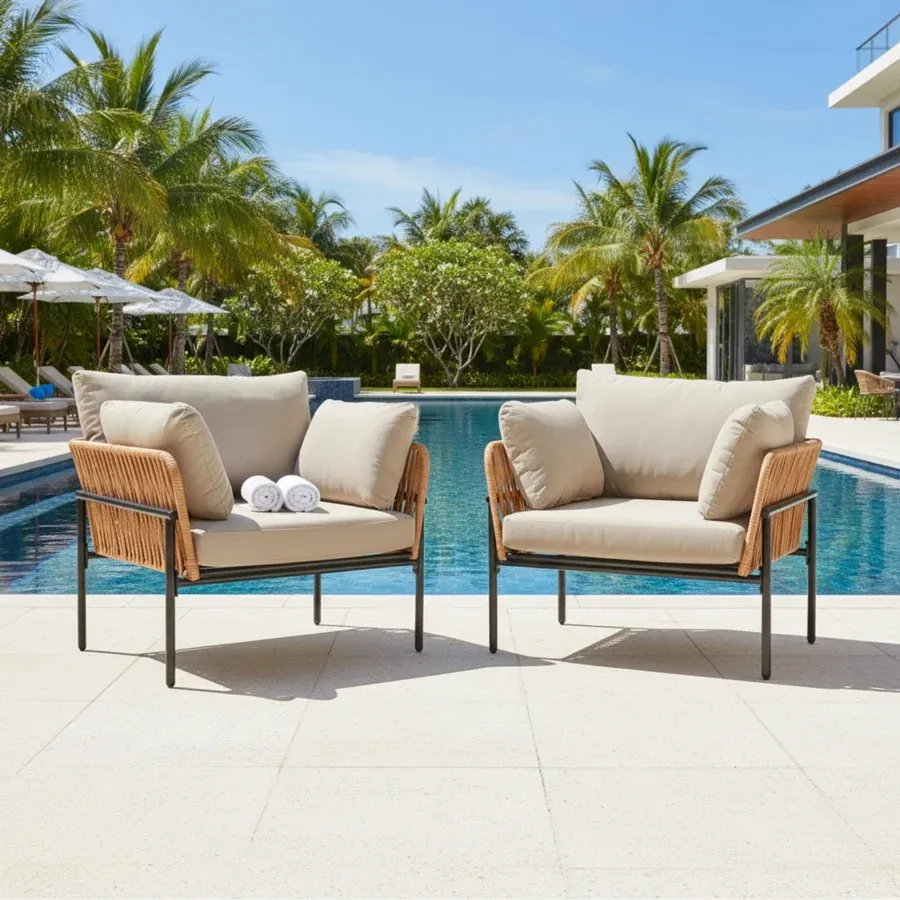
Choosing the right seating can make an outdoor space more comfortable and functional. Whether you have a large garden, balcony, terrace, patio, or a small outdoor corner, the right chairs can provide a convenient place to relax, read, enjoy meals, or spend time with family. However, outdoor furniture is exposed to sunlight, rain, dust, and changing temperatures, so there are several factors to consider before making a purchase.
From material and comfort to size, maintenance, and storage, understanding these factors can help you choose garden chairs that suit your space and everyday requirements.
Consider the Available Outdoor Space
Start by measuring the area where you plan to place the chairs. This is especially important for balconies, compact gardens, and terraces where space may be limited. Leave enough room around each chair so people can sit down and get up comfortably. If you plan to place a small table between the chairs, account for that space as well.
For smaller areas, foldable or stackable designs can be practical because they can be moved or stored when not in use. Larger gardens can accommodate wider chairs, lounge-style seating, or multiple chairs arranged around an outdoor table.
Choose the Right Material
The material is one of the most important factors when selecting outdoor seating. Garden chairs are commonly made from plastic, metal, wood, synthetic materials, and combinations of different materials.
Plastic chairs are generally lightweight and easy to move. Metal options can provide a sturdy structure, while wooden chairs can add a natural appearance to an outdoor setting. Synthetic materials may offer a combination of durability and easier maintenance. Consider your local weather conditions before choosing a material. If the chairs will remain outdoors, look for materials and finishes designed to handle exposure to sunlight and moisture.
Check Durability and Weather Resistance
Outdoor furniture needs to handle environmental conditions that indoor furniture does not normally face. Before buying, check whether the chairs are designed for outdoor use and whether their material or finish provides suitable resistance to weather exposure.
If your garden receives strong sunlight, consider products designed to reduce fading and deterioration from UV exposure. In areas with frequent rain or humidity, moisture resistance is also important.
No material is completely maintenance-free, so following the manufacturer's care instructions can help extend the usable life of the chairs.
Pay Attention to Comfort
A chair may look attractive but still be uncomfortable if its dimensions and design do not suit your needs. Consider the seat height, width, backrest, and overall shape before buying.
If you expect to sit for long periods, look for chairs with supportive backrests and comfortable seating surfaces. Cushions can also improve comfort, but they require additional care and should be protected from prolonged exposure to rain and moisture. If possible, test the chair before purchasing. When shopping online, carefully review the product dimensions and specifications.
Look at Weight and Portability
Think about whether you will regularly move your chairs between different areas. Lightweight chairs can be useful when you want to move seating from a garden to a balcony, terrace, or storage area.
On the other hand, heavier chairs may provide greater stability, particularly in exposed outdoor areas where strong winds are common. A good choice depends on how frequently you need to move the chairs and how much stability you require.
Consider Storage Requirements
Storage is another important consideration, particularly during monsoon seasons or periods when outdoor furniture is not being used. Stackable chairs can save space because several units can be stored together. Foldable designs can also be convenient when you need to clear your outdoor area.
If you have limited storage space, measure the available storage area before purchasing. This helps ensure the chairs can be stored without creating unnecessary clutter.
Think About Maintenance
Different materials require different levels of maintenance. Some chairs may only require occasional wiping, while wooden or metal furniture may need more specific care depending on its finish.
Check the manufacturer's cleaning recommendations before purchasing. Consider how much time you are willing to spend maintaining the furniture. If you want simple everyday upkeep, look for designs with easy-to-clean surfaces and materials suitable for outdoor use.
Match the Design With Your Outdoor Space
Functionality is important, but appearance also matters. Choose a design that complements your garden, patio, balcony, or terrace. Consider the existing outdoor table, plants, flooring, lighting, and other furniture. A coordinated design can make the space feel more organised.
However, avoid choosing a chair solely based on appearance. Comfort, durability, dimensions, and maintenance should remain important parts of the decision.
Check Weight Capacity and Construction
Before buying, check the manufacturer's stated weight capacity. This is particularly important if the chairs will be used frequently by different people. Inspect the construction details, including joints, legs, frames, and support points. Stable legs and a well-built frame can contribute to safer and more comfortable use.
For online purchases, read the product specifications carefully and check whether the manufacturer provides information about materials, dimensions, weight capacity, and care.
Compare Price With Long-Term Value
Price is an important factor, but the cheapest option may not always provide the features you need. Consider the expected durability, material quality, comfort, maintenance requirements, and warranty, if available. A slightly higher initial cost may be reasonable if the chair offers better construction and is designed for regular outdoor use.
Before purchasing garden chairs, compare specifications rather than relying only on price. This can help you select furniture that fits your space and intended use.
Final Thoughts
Buying outdoor seating requires more than choosing a design you like. Consider your available space, material, durability, comfort, portability, storage, maintenance, construction, and budget before making a decision.
The right garden chairs should fit comfortably into your outdoor area while meeting your practical needs. By checking product specifications and considering your local weather conditions, you can make a more informed purchase and create an outdoor space that is comfortable and useful throughout the year.
FAQs
1. Which material is best for garden chairs?
The best material depends on your outdoor environment, usage, maintenance preferences, and budget. Plastic, metal, wood, and synthetic materials can all work well when designed and maintained appropriately for outdoor use.
2. What should I consider when buying garden chairs?
Consider the available space, material, weather resistance, comfort, weight, portability, storage, maintenance requirements, weight capacity, design, and price.
3. Are garden chairs suitable for rainy weather?
Some garden chairs are designed for outdoor conditions and can handle occasional rain, but their suitability depends on the material and construction. Follow the manufacturer's care and storage recommendations.
4. How do I choose comfortable garden chairs?
Look at the seat height, width, backrest, support, and overall design. If you plan to sit for extended periods, choose a chair that provides adequate back and seating support.
5. Are foldable garden chairs a good option?
Foldable chairs can be useful when space is limited or when you need to store the furniture regularly. They are also convenient for moving between different areas of the home.
6. Can garden chairs be left outside all year?
This depends on the material, construction, and local weather conditions. Even outdoor-rated furniture can benefit from covers, sheltered placement, or indoor storage during periods of extreme weather.
7. How do you maintain garden chairs?
Maintenance depends on the material. Regularly remove dust and dirt, clean according to the manufacturer's instructions, and protect the chairs from excessive moisture, direct sunlight, or harsh weather when necessary.
8. How many garden chairs should I buy?
The number depends on the size of your outdoor space and how you plan to use it. Consider how many people typically use the area and whether you need seating around an outdoor dining table or simply for occasional relaxation.
Related Reading
Expert Insights: Navigating the Complex World of Home Improvement
Welcome to our in-depth exploration of Home Improvement. In an era defined by ra...
Why Home Improvement is Transforming the Global Industry Landscape
Welcome to our in-depth exploration of Home Improvement. In an era defined by ra...