What Should You Learn Before Applying for a Pastry Chef Job?
By jack daniels
12 Views
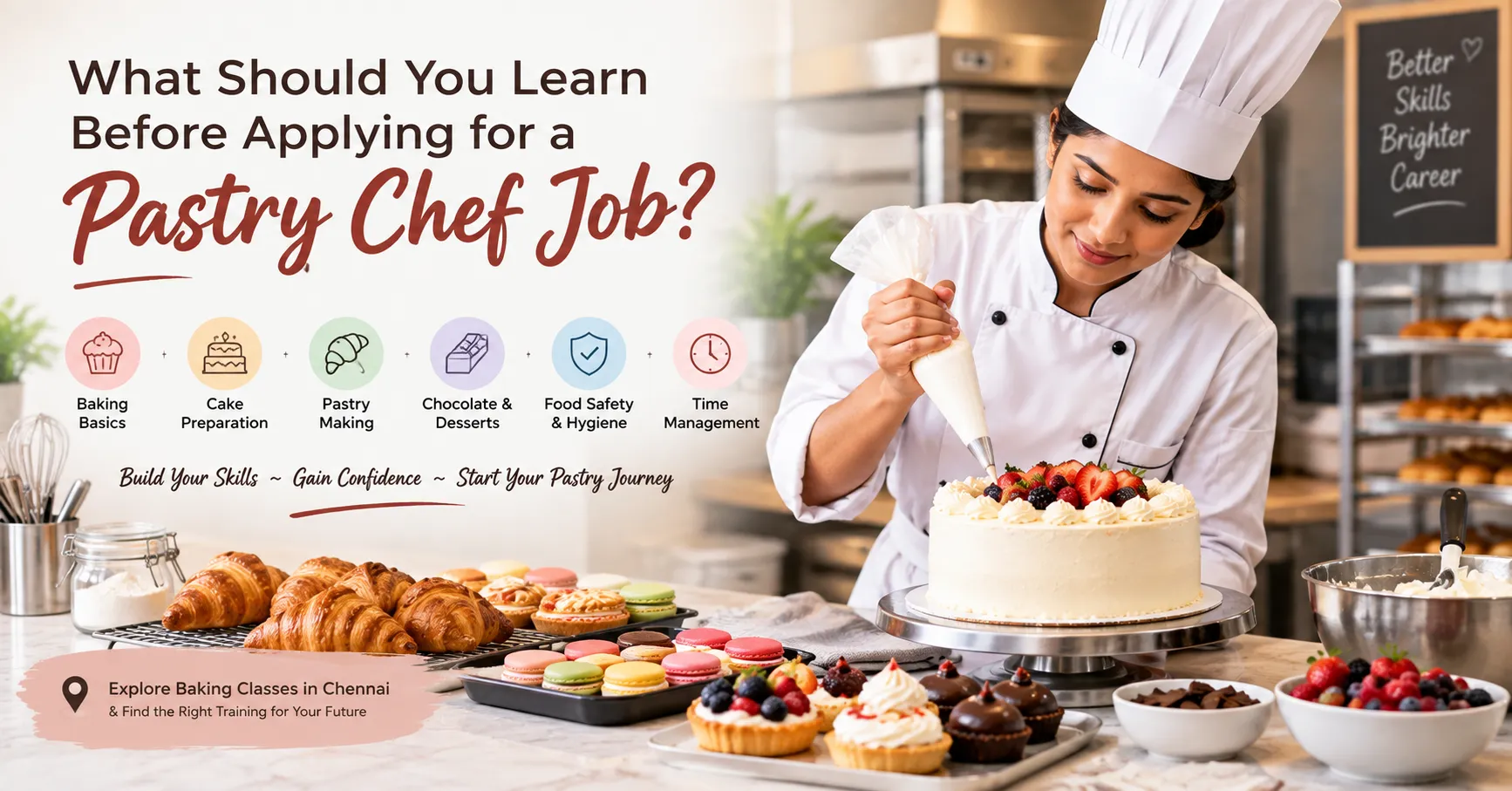
Becoming a pastry chef is an exciting career choice for people who enjoy preparing desserts, experimenting with flavours, and creating attractive baked products. From cakes and pastries to breads, tarts, and plated desserts, pastry chefs play an important role in bakeries, hotels, cafés, and restaurants.
However, passion alone is not enough to succeed in this profession. Aspiring pastry chefs need practical skills, ingredient knowledge, attention to detail, and an understanding of professional kitchen standards. Learning these fundamentals before applying for a job can help you feel more confident and prepared for the workplace.
Understand the Fundamentals of Baking
Before applying for a pastry chef position, learn the basic principles of baking. Understanding how ingredients interact and how different preparation methods affect the final product is essential for consistent results.
Important Baking Techniques to Learn
-
Measuring ingredients accurately using a weighing scale.
-
Understanding the role of flour, sugar, eggs, butter, and raising agents.
-
Learning mixing methods such as creaming, folding, and whisking.
-
Understanding oven temperatures and baking times.
-
Identifying common baking problems and their solutions.
These fundamentals help you prepare products with the correct texture, flavour, and appearance. Consistent results are particularly important in professional kitchens, where recipes must be followed accurately.
Learn Cake Preparation and Decoration
Cakes are among the most common products prepared by pastry chefs. Employers may expect entry-level candidates to understand basic cake recipes, preparation methods, and finishing techniques.
Cake Skills Every Beginner Should Practise
Start by learning sponge cakes, butter cakes, chocolate cakes, and other popular varieties. Practise levelling cake layers, preparing fillings, applying frosting, and creating simple decorative designs.
You should also understand how to store cakes correctly and maintain their freshness. As your skills improve, explore piping techniques, layered cake assembly, and different frosting styles.
Regular practice helps you develop the speed and precision required for bakery production.
Develop Pastry-Making Skills
Pastry preparation requires patience, precision, and a good understanding of dough consistency. Different pastry products involve different techniques, so learning the basics can give you an advantage when applying for a professional role.
Popular Pastry Products to Learn
-
Puff pastry: Learn how layering butter and dough creates a flaky texture.
-
Shortcrust pastry: Understand how to prepare suitable bases for tarts and pies.
-
Choux pastry: Practise preparing the dough used for éclairs and cream puffs.
-
Tarts: Learn how to prepare pastry shells, fillings, and decorative toppings.
-
Croissants: Understand lamination, proofing, shaping, and baking.
Developing these skills allows you to work with a wider range of products and understand the techniques used in professional pastry kitchens.
Understand Bread and Dough Preparation
Although pastry chefs often specialise in desserts, knowledge of bread and dough preparation can be useful in many bakery environments.
Essential Dough Skills
Learn how yeast works, how to knead dough, and why proofing time affects the final product. You should also understand gluten development, dough temperature, shaping, and baking conditions.
Practising dinner rolls, basic loaves, sweet buns, and enriched dough products can improve your understanding of fermentation and texture.
These skills are especially valuable when applying to bakeries or hotels where pastry and bakery responsibilities may overlap.
Learn Chocolate Work and Dessert Presentation
Chocolate is widely used in professional pastry kitchens for fillings, coatings, decorations, and plated desserts. Learning to handle chocolate properly can help you expand your practical abilities.
Techniques Worth Learning
Start with chocolate melting, ganache preparation, chocolate drizzling, and simple decorations. As you gain experience, learn about tempering chocolate to achieve a smooth finish and an attractive shine.
Dessert presentation is equally important. Practise arranging garnishes, balancing colours, and maintaining clean edges. A well-presented dessert should look appealing while remaining practical to prepare during busy service hours.
Follow Food Safety and Kitchen Hygiene
Professional pastry chefs must maintain high standards of cleanliness and food safety. Employers look for candidates who understand the importance of safe food handling.
Hygiene Practices to Follow
-
Wash hands and sanitise work surfaces regularly.
-
Store ingredients at appropriate temperatures.
-
Prevent cross-contamination between ingredients and equipment.
-
Check product freshness and expiry dates.
-
Follow correct storage and labelling procedures.
You should also learn basic allergen awareness, particularly for ingredients such as nuts, dairy, eggs, and gluten. Understanding hygiene procedures helps protect customers and supports smooth kitchen operations.
Improve Time Management and Teamwork
A pastry kitchen often handles multiple orders and preparation tasks simultaneously. Pastry chefs must organise their work carefully to maintain quality and meet deadlines.
How to Prepare for a Professional Kitchen
Practise preparing ingredients before starting a recipe, keeping your workstation organised, and following a production schedule. Learn to complete tasks in the correct order so that products are ready when needed.
Communication is also important. You may need to coordinate with chefs, kitchen assistants, and service staff. Being receptive to feedback and willing to learn from experienced colleagues can help you adapt to a professional working environment.
Gain Practical Training Before Applying
Practical experience helps you understand how baking techniques work beyond written recipes. It also allows you to identify areas that require improvement before entering the workforce.
For aspiring professionals, Baking Classes in Chennai can be an option to explore when looking for structured learning in baking fundamentals, pastry preparation, cake decoration, and hands-on kitchen practice.
When comparing training programmes, look for opportunities to practise with professional equipment, receive trainer feedback, understand hygiene standards, and prepare a variety of products. A practical learning environment can help you build confidence before applying for entry-level positions.
Build Your Skills Through Consistent Practice
Pastry skills improve with repetition. Even after completing a course, continue practising recipes and recording your results. Note changes in ingredient measurements, oven settings, mixing methods, and baking times.
If you prefer training close to home, Baking Classes in Anna Nagar may be worth considering when comparing course locations and practical training options.
Create a small portfolio of your work using clear photographs of cakes, pastries, breads, and desserts you have prepared. A portfolio can help demonstrate your interest, progress, and attention to presentation when discussing opportunities with potential employers.
Prepare for Your First Pastry Chef Job
Before applying, review the job description and identify the skills the employer expects. Entry-level positions may focus on assisting senior chefs, preparing ingredients, maintaining cleanliness, and completing basic baking tasks.
Update your résumé with relevant training, practical experience, and the products you can prepare confidently. Be honest about your current skill level and show a willingness to learn.
During an interview or practical assessment, demonstrate careful measuring, organised working habits, attention to hygiene, and a positive attitude. Employers may value reliability and consistency as much as creativity when hiring beginners.
Conclusion
Preparing for a pastry chef job involves more than learning recipes. You need a strong foundation in baking, pastry preparation, cake decoration, chocolate work, food safety, and time management. Practical experience and consistent practice will help you develop the confidence needed for a professional kitchen.
Start with the basics, improve one technique at a time, and learn from your mistakes. With dedication, structured training, and a willingness to grow, you can prepare yourself for entry-level opportunities and gradually build a rewarding career in the pastry and baking industry.