What Should Automatic Learners Know About Pakenham's Princes Highway Traffic?
6 Views
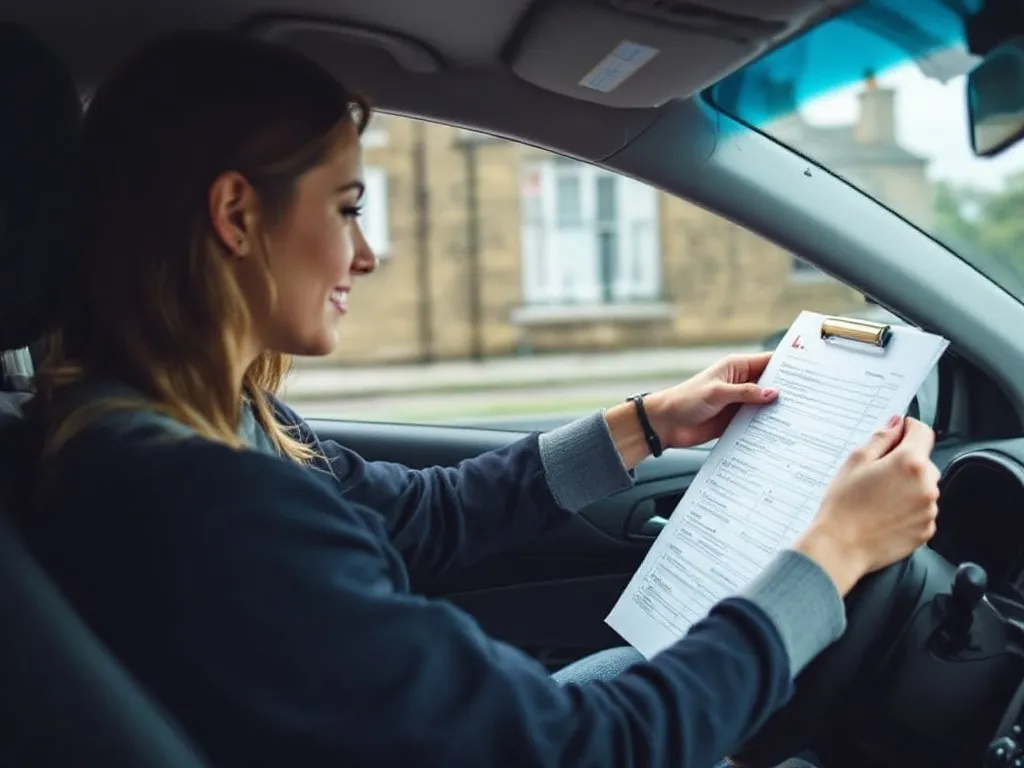
The Princes Highway runs straight through Pakenham, and most learners end up driving some part of it before they're ready for it. It's wider and faster than the residential streets around it, the speed limit changes more than once over a short distance, and heavy vehicles use it constantly. For a new automatic driver, that combination is worth preparing for deliberately rather than stumbling into on the way to a lesson.
Know the speed zones before you drive them
Through the Pakenham town centre, the speed limit sits at 50-60 km/h depending on the section, with lower limits near school zones and pedestrian crossings. Past the McGregor Road interchange, where the road becomes the Princes Freeway bypass, it rises to 100 km/h.
Learners who treat the whole stretch as one constant speed are usually the ones caught out by a sign they didn't register in time.
In an automatic, you won’t need to think about gear selection as the limit changes, but you still need to anticipate each sign early enough to brake smoothly rather than at the last second.
Build confidence with an instructor first
Highway driving is one of the areas where dual controls make the biggest difference, because an instructor can intervene if a merge or a gap judgement goes wrong.
Learners who start with structured automatic driving lessons in Pakenham tend to get this exposure earlier and more safely than those who wait until a family member takes them out on their own.
A few things worth practising specifically on this stretch of road:
-
Judging a safe gap before pulling out from a side street onto the highway.
-
Maintaining a steady speed in the flow of traffic, rather than drifting under the limit.
-
Reading brake lights several cars ahead, since heavy vehicles take longer to slow.
-
Changing lanes early, with a shoulder check, rather than at the last moment.
Watch for trucks and freight traffic
The Princes Highway through Pakenham carries a steady stream of freight heading to and from Gippsland, and trucks behave differently to cars. They take longer to stop, longer to accelerate back to speed, and their size can block your view of what's happening further ahead.
Leave extra following distance behind a truck, and avoid lingering in its blind spots, particularly just behind the trailer or alongside the cab. If a truck is merging or changing lanes, assume it needs more room than a car would and give way early rather than holding your position.
Don't skip night and wet-weather practice
The highway looks and behaves differently after dark or in rain. Glare from oncoming headlights is much harder to manage on a multi-lane road at speed, and stopping distances on the freeway section are significantly longer than anything you’ll have practised on residential streets.
Once you're comfortable with the highway in good conditions, ask your instructor or supervising driver to plan a session after dark or during light rain, so the first time you encounter it isn't also the first time you're driving unsupervised.
Related Reading
Expert Insights: Navigating the Complex World of Education & Learning
Welcome to our in-depth exploration of Education & Learning. In an era defin...
Why Education & Learning is Transforming the Global Industry Landscape
Welcome to our in-depth exploration of Education & Learning. In an era defin...