What Search and Destroy Missions Revealed About the Reality of the Vietnam War
By Mark Denard
6 Views
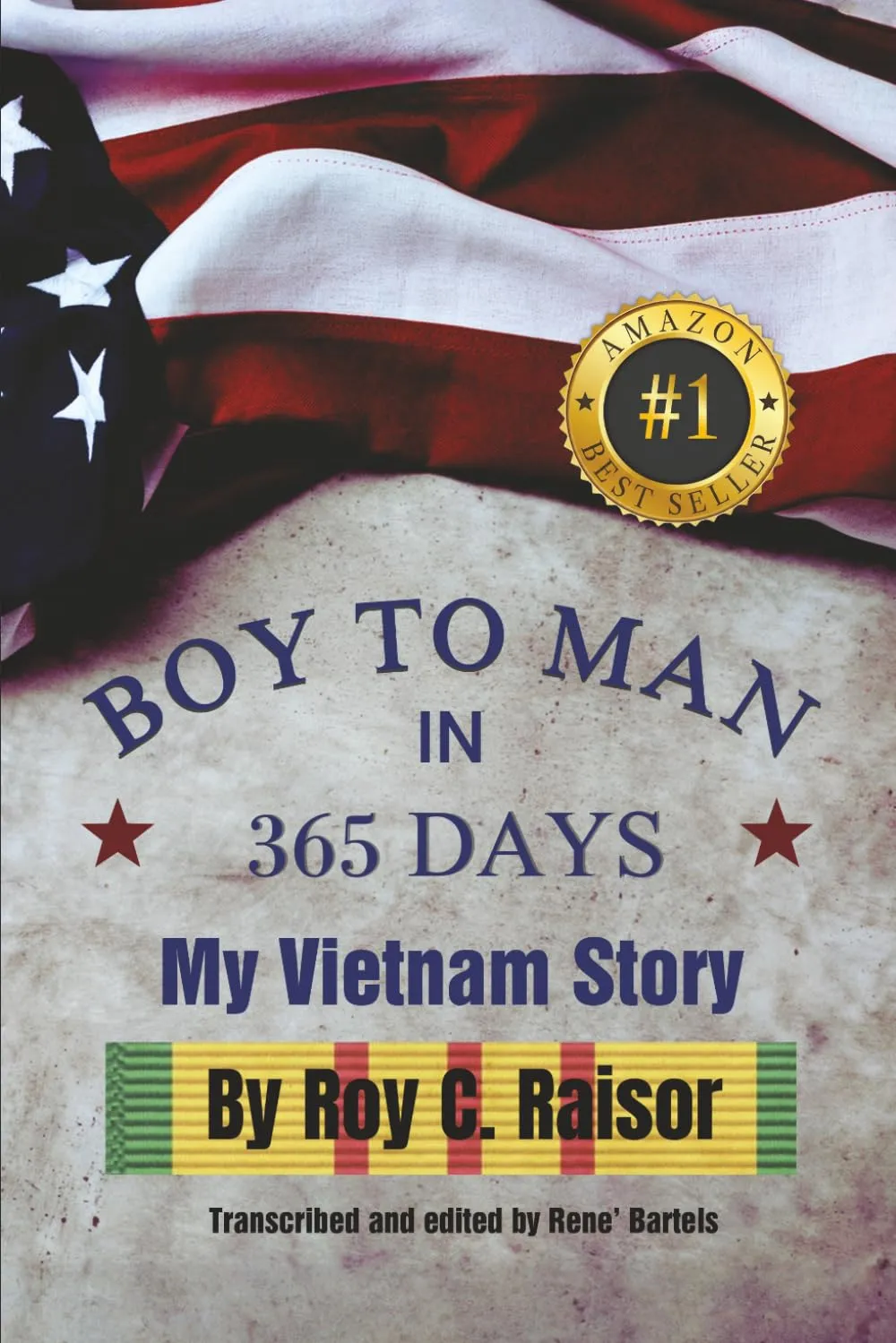
The phrase “search and destroy” can sound clinical when it appears in a history of the Vietnam War. For soldiers performing those missions, the reality could be physically exhausting and psychologically disturbing. Roy C. Raisor describes that difference in Boy to Man in 365 Days: My Vietnam Story, where search-and-destroy operations involved moving through dense jungle, looking for enemy forces, identifying tunnels and hidden positions, searching recently disturbed ground, and confronting death at extremely close range.
Roy had entered Vietnam with relatively little preparation for the specific conditions he would face. After arriving, he received several days of additional training on booby traps, helicopter operations, landing zones, wounds, and other battlefield dangers. Nothing in that short training period could fully prepare an eighteen-year-old for repeated operations in an environment where almost anything could conceal a threat.
During search and destroy missions, soldiers moved through jungle and swamp conditions while remaining alert for ambushes, mines, tunnels, tripwires, snipers, and enemy positions. Roy learned quickly that movement itself could be dangerous. In one early mission through the Ho Bo Woods, he stepped into a tunnel opening and was fortunate that it had not been rigged as a trap. Soon afterward, he watched the company point man fall to enemy machine gun fire. Those events appear on pages 42 to 45.
Searching After the Shooting
The disturbing work did not necessarily end when a firefight ended. Roy explains that soldiers sometimes searched for enemy bodies and documentation after combat. The military wanted information concerning enemy strength, identity, movement, and losses.
On pages 175 and 176, Roy describes finding disturbed areas of earth and digging into them. Sometimes soldiers uncovered bodies buried in shallow graves. They removed them to search for documents and establish a count.
The older Roy looks back on these actions differently than the young soldier who performed them. At the time, he says, it was simply part of the job. Years later, he found himself questioning what repeated exposure to death had done to his sense of compassion.
That retrospective tension is one of the strengths of the memoir. Roy does not pretend that his present understanding is identical to what he felt in Vietnam. A young soldier operating under orders in a dangerous environment often thought primarily about completing the mission and staying alive. Decades later, the same man could revisit the event with a completely different emotional perspective.
Readers interested in how these experiences fit into Roy’s broader combat story can Buy the book at Amazon.
A War Without Clear Boundaries
Search and destroy missions also exposed one of the defining difficulties of the Vietnam War. Enemy forces could withdraw into jungle, tunnels, villages, or other concealed areas and then return after American troops moved elsewhere. Roy repeatedly describes returning to areas his unit had previously entered.
From a soldier’s perspective, this could create the sense that the same ground was being fought over repeatedly. A company could clear an area, move to another location, and later discover enemy forces had returned.
Roy describes this pattern when discussing movements around the Ho Bo Woods and Mekong Delta. He came to see the conflict as an exhausting cycle rather than a sequence of clearly separated victories.
That experience also influenced his later opinions about the war. His conclusions are personal and should be understood as the reflections of one veteran, not as a substitute for the wider historical debate. What his memoir establishes clearly is how repeated missions affected the soldier experiencing them.
Search and destroy operations required young men to move toward hidden threats rather than away from them. They had to identify signs that another person had recently passed through an area, recognize possible traps, respond to sudden gunfire, and then search what remained afterward.
Those experiences followed Roy home. Images that seemed almost routine during combat became disturbing in memory. The ability to perform a task in wartime did not guarantee that a veteran would remain comfortable with the memory of having performed it.
More information about Roy’s memoir and personal history is available through Visit the Website.
Understanding the Vietnam War requires attention to strategy and policy, but it also requires attention to what strategy demanded from individual soldiers. Roy’s account of search-and-destroy missions shows young men carrying out assignments under conditions where death could be hidden beneath the ground, behind vegetation, or around the next bend. Decades later, the mission ended, but some of the images remained.
Related Reading
Top 10 Hidden Secrets About Business & Finance You Need to Know
Welcome to our in-depth exploration of Business & Finance. In an era defined...
Why Business & Finance is Transforming the Global Industry Landscape
Welcome to our in-depth exploration of Business & Finance. In an era defined...