What Retailers Should Consider Before Choosing an FMCG Supplier in Dubai
56 Views
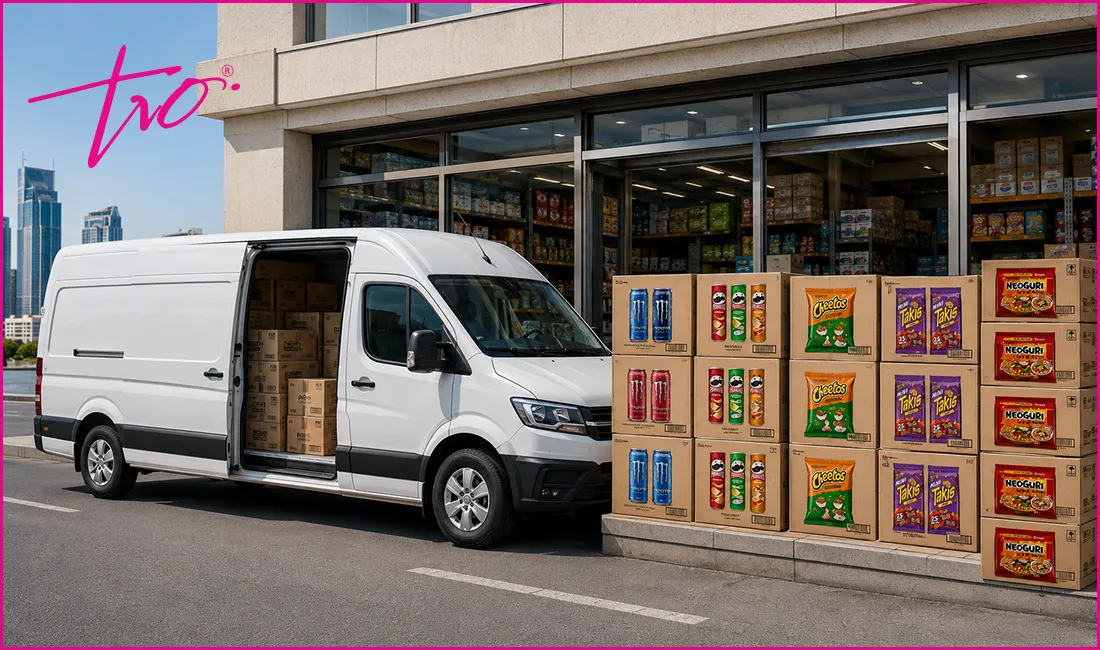
Picking the right FMCG supplier in Dubai comes down to two things first: can they keep stock consistent, and does their range cover enough ground? Pricing has to stay competitive too, and delivery needs to land on time. A reliable distributor helps stores avoid stock shortages and simplify their purchasing. If you are a retailer looking to connect with an FMCG distributor, this post is exactly about that. Here, we'll discuss the points a retailer should consider before selecting an FMCG distributor in Dubai.
Why Dubai's Trade Position Cuts Both Ways
Dubai's logistics infrastructure and free-zone advantages are genuine strengths for FMCG trade. These advantages are available to every distributor operating there, not a differentiator on their own. A retailer evaluating options needs to look past "based in Dubai" as a selling point and ask what a specific distributor actually does with that position. Before choosing any partner company, consider asking some important questions:
- Which regions do they source the material from?
- Which markets can they actually reach?
- How consistently have they proven it?
Confirming Genuine Regional Reach
A distributor's stated coverage and its actual coverage aren't always the same thing. Before committing, retailers should confirm:
- Which specific countries or regions a distributor source from. It should not be a vague "worldwide" claim but a named origin market:
- Whether the distributor operates its own offices in those regions or relies entirely on third-party intermediaries:
- How a product actually moves from origin sourcing to Dubai-based consolidation and from there into the wider GCC:
A distributor with a genuine multi-country office presence tends to have more direct control over sourcing timelines and product authenticity. They perform better in FMCG product distribution than those with a single Dubai base claiming broad reach.
Category Breadth Versus Category Depth
Some Dubai-based distributors specialize narrowly in one category, such as beverages or confectionery. Others operate across a much wider portfolio spanning food, beverages, coffee, snacks, and household and personal care. Neither approach is automatically better, but the right fit depends on the retailer’s own business.
An importer bringing in a single specialist product line may be better served by a narrow specialist who knows that category deeply. An importer looking to build a broader retail or wholesale offering. It generally benefits more from an FMCG supplier covering multiple categories under one relationship. Fewer supplier relationships to manage, and often better consolidated shipping economics.
Sourcing Regional Product Variants
One factor that's easy to overlook is whether a distributor can source genuinely different regional formulations of the same global brand. A soda or snack brand sold in the US market, for instance, often comes in different flavours, pack sizes, or formulations than the same brand sold in Japan, Korea, or Australia. Not every distributor source across those regional variants. Many stick to whichever single-market version is easiest to obtain.
For importers targeting markets with diverse consumer bases, including the UAE's large expatriate population, access to these regional-specific formats can be a genuine point of differentiation. It's worth asking a prospective distributor directly which regional variants of a given brand they can actually supply. Don’t assume "the brand" covers every format.
Verifying Authenticity and Supply Chain Transparency
FMCG categories with strong brand loyalty should be prioritized by retailers. If they only stock products from categories like chocolates, energy drinks, and premium personal care, they can meet your diverse demand for FMCG products.
- Batch and lot traceability on shipments, not just on request after a problem arises
- A documented supply chain back to the brand owner or an authorized regional source
- Willingness to provide this documentation before an order is placed, not only after a dispute
An FMCG wholesaler unwilling to provide this level of transparency upfront is a warning sign worth taking seriously, regardless of how competitive their pricing looks.
Assessing Operational Consistency
Beyond the sourcing question, importers should look closely at how consistently a distributor performs on the basics. Check their lead times that hold up under real demand, minimum order quantities that scale sensibly, and communication that stays clear when something doesn't go to plan. A distributor's website and sales pitch will rarely reveal this. Asking for references, or simply testing a smaller initial order before scaling up, tends to reveal it faster.
Choose Treasure Orbit as your FMCG Distributor in Dubai
Treasure Orbit is a well-known FMCG distributor and a well-known food and beverage supplier in Dubai. Established in 2000, the company also has offices in India, Spain, Hong Kong, and the USA. Currently, it sources more than 100 SKUs across 30-plus categories from regions including the US, Japan, Korea, Australia, and Germany, with the UAE positioned as an active export focus within a wider cross-border network. However, the specific combination of important factors will depend on what an individual importer is actually trying to bring to market.
Final Thoughts
Choosing an FMCG distributor in Dubai isn't a decision that should hinge on location alone. Genuine regional sourcing reach, category fit, access to regional product variants, and demonstrable supply chain transparency matter far more than a well-positioned address — and importers who ask the right questions upfront tend to avoid the costliest surprises later.