What Recovery Really Feels Like After a Full Body Contouring Lift: A Week-by-Week Healing Guide
155 Views
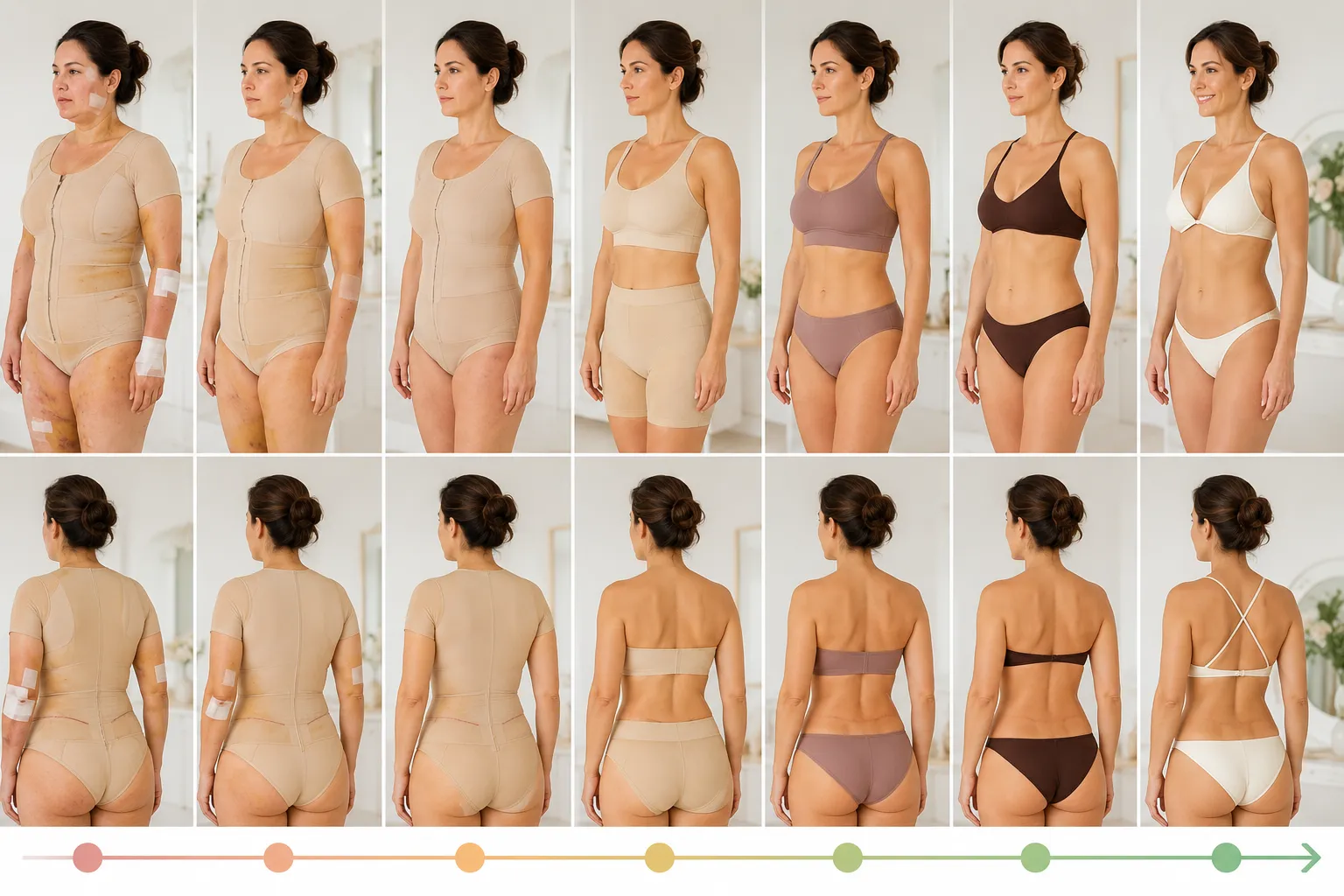
Recovering from body contouring surgery is rarely a quick or linear process. It requires time, patience, and a clear understanding of what the healing journey actually looks like once you leave the operating theatre. For many patients, the unknown is often the most stressful part, not the procedure itself.
Having a realistic picture of recovery helps reduce anxiety and allows you to plan properly in advance. Simple preparation—such as arranging help at home, organising time off work, and setting up a comfortable recovery space—can make a noticeable difference to both comfort and confidence in the weeks that follow.
A procedure such as a 360 Lower Body Lift is a significant surgical undertaking that reshapes the midsection by removing excess skin and tightening underlying tissue. Because it involves multiple areas of the body at once, recovery needs to be approached with care and respect for the body’s natural healing timeline.
Understanding What a Full Body Contouring Lift Involves
A full body contouring lift around the lower torso is designed to address loose or sagging skin that often remains after major weight loss or changes in body composition. Unlike smaller procedures that focus on one area, this type of surgery works around the entire circumference of the waistline.
In a 360 Lower Body Lift, the surgeon typically treats the abdomen, flanks, lower back, hips, and sometimes the upper thighs in one continuous procedure. The goal is not just to remove excess skin but also to restore smoother proportions and improve overall body balance.
Many patients describe the decision to undergo this surgery as the final stage in their transformation journey. While the physical changes are significant, the recovery phase is equally important in achieving the final result.
How Long Does Recovery Usually Take?
Most people need around six to eight weeks to pass through the main stages of recovery, although complete internal healing continues for several months afterwards. No two recovery journeys are identical, and progress depends on several factors including age, general health, mobility before surgery, and how carefully aftercare instructions are followed.
It is important to understand that feeling “better” does not always mean the body is fully healed. Swelling, internal tightening, and tissue repair continue well after visible bruising has faded.
During recovery from a 360 Lower Body Lift, rest is not optional—it is a key part of the healing process. The body requires energy to rebuild tissue, close incisions, and gradually reduce inflammation. Rushing this stage can delay results or increase the risk of complications.
Preparing for Recovery Before Surgery
A smoother recovery often begins before the operation itself. Small practical steps can significantly reduce stress in the early days after surgery.
Many patients find it helpful to prepare meals in advance so they are not reliant on cooking during the first week. Others set up a recovery area with pillows, easy access to medication, water, and essential items such as phone chargers and toiletries.
Support at home is also important. Simple tasks like moving around, getting dressed, or preparing food can be difficult in the early stages after a 360 Lower Body Lift, so having someone available to assist can make recovery far more manageable.
Week-by-Week Recovery Timeline
Week One: Rest, Stability and Close Care
The first week is usually the most physically demanding. Most patients remain in hospital for at least one to two nights so the medical team can monitor initial healing. Once discharged, rest becomes the main priority.
Drainage tubes may still be in place, and movement will feel slow and restricted. Walking is encouraged in very short intervals to support blood circulation, but most of the time should be spent resting in a supported, semi-upright position.
Swelling, bruising, and tightness are completely normal during this stage. Pain medication prescribed by your surgeon should be taken exactly as directed. After a 360 Lower Body Lift, proper wound care is essential, as the incision line typically runs around the lower torso.
Emotionally, this stage can feel challenging for some patients due to discomfort and limited mobility. Patience is key here, as the body is working hard behind the scenes.
Week Two: Small Improvements in Mobility
By the second week, many people begin to notice subtle improvements. Moving around the home becomes slightly easier, and short walks feel less tiring.
Some patients may feel ready to resume light daily activities, although energy levels can still fluctuate. It is not unusual to feel more active one day and quite tired the next.
Driving may be possible for some individuals at this stage, but only if pain is well controlled and no strong medication is being used. After a 360 Lower Body Lift, compression garments continue to play an important role in controlling swelling and supporting healing tissues.
Even if discomfort is easing, the body is still in an early healing phase, so overexertion should be avoided.
Weeks Three and Four: Gradual Return of Independence
During weeks three and four, swelling often begins to reduce more noticeably. This is usually when patients start feeling more like themselves again.
Daily routines become easier to manage, and light household tasks can often be resumed. Short, gentle walks are encouraged to support circulation and reduce stiffness, but heavy lifting or vigorous activity remains off limits.
At this point in recovery from a 360 Lower Body Lift, the body is still internally repairing deeper layers of tissue, even if external healing appears more advanced.
Follow-up appointments during this stage are important, as they allow your surgeon to assess progress and ensure everything is healing as expected.
Weeks Five and Six: Returning to Normal Routine
By weeks five and six, many patients feel ready to return to desk-based work or lighter daily responsibilities. Energy levels tend to improve steadily, although full stamina is not yet restored.
Body shape changes also become more noticeable as swelling continues to settle. This is often the stage where patients begin to see the results of their 360 Lower Body Lift more clearly.
Some individuals may begin scar care treatments at this point, depending on medical advice. Maintaining good nutrition, staying hydrated, and avoiding smoking are all important for supporting long-term healing.
Weeks Seven and Eight: Reintroducing Gentle Activity
Around weeks seven and eight, light exercise may be introduced gradually, depending on individual recovery progress. Walking remains the safest starting point, with intensity increased slowly over time.
It is still too early for heavy lifting, abdominal strain, or high-impact workouts. Even if the body feels stronger, internal healing is still ongoing after a 360 Lower Body Lift.
Patients are encouraged to listen carefully to their bodies during this stage. Mild tightness or fatigue can still occur, and pushing too quickly can delay final results.
Emotional Recovery and Body Adjustment
Physical healing is only one part of the process. Emotional adjustment is equally important and often overlooked. It is common for patients to experience mixed feelings during recovery—especially in the early weeks when swelling and discomfort can temporarily mask results.
As healing progresses, confidence often begins to grow. Many patients report feeling more comfortable in clothing and more aligned with their body image after a 360 Lower Body Lift.
However, it is important to remember that final results take time. The body continues refining shape and settling for several months.
Making Recovery Smoother and More Comfortable
Planning ahead is one of the most effective ways to improve recovery experience. Simple adjustments such as preparing a comfortable sleeping arrangement, keeping essentials within reach, and arranging support can reduce unnecessary strain.
Sticking closely to medical advice is equally important. Compression garments, wound care routines, and activity restrictions all play a role in achieving the best possible outcome after a 360 Lower Body Lift.
Above all, patience is essential. Healing is not a race, and allowing the body adequate time ensures safer recovery and more refined long-term results.
Final Thoughts
Recovery after a full body contouring procedure is a gradual journey that unfolds week by week. While the early stages may feel slow and physically demanding, each phase brings steady improvement.
Understanding what to expect from a 360 Lower Body Lift helps patients approach surgery with clearer expectations and greater confidence. With proper preparation, support, and patience, the recovery process becomes far more manageable and far less overwhelming than it may initially seem.