What Material Is Best for Custom Packaging Boxes?
By Tahir
112 Views
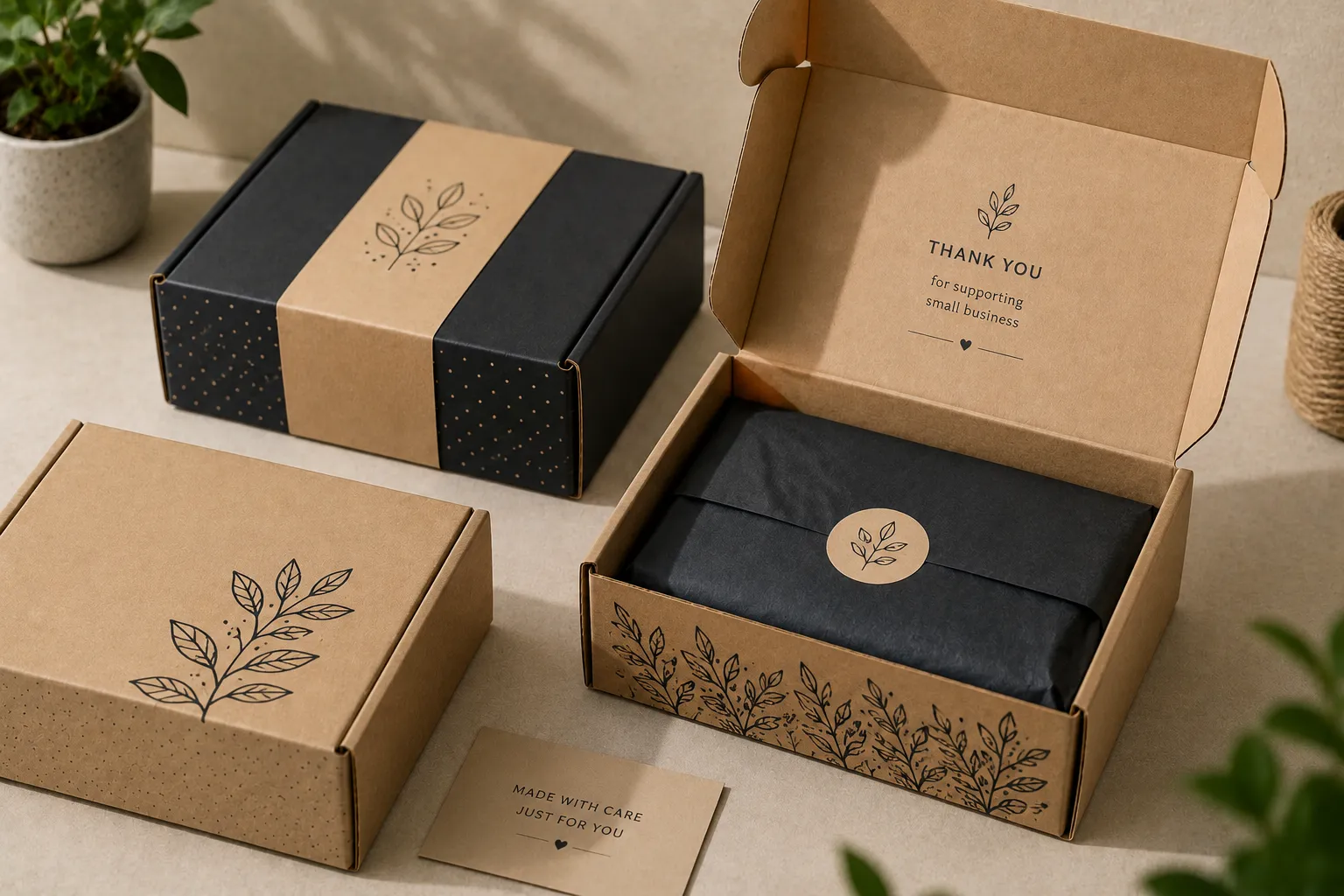
Packaging does much more than hold a product. It protects what is inside, supports the visual identity of a business, and shapes the customer's first physical interaction with a brand. That makes material selection an important part of packaging design.
There is no single material that works perfectly for every product. A skincare item, food product, electronics accessory, clothing item, and luxury gift may all require different packaging characteristics. The right choice depends on protection, appearance, handling, printing, sustainability goals, and budget.
Understanding the available materials makes it easier to select packaging that fits both the product and the brand.
Start With the Product, Not the Box
Before choosing a material, consider what the packaging needs to accomplish.
A good packaging material should support the product throughout storage, transportation, display, and delivery.
Ask These Practical Questions
Consider:
- How heavy is the product?
- Is it fragile?
- Does it need additional cushioning?
- Will it be shipped?
- How much handling will it receive?
- Does the packaging need moisture resistance?
- Will customers reuse or dispose of it?
These answers can quickly narrow down suitable options.
Corrugated Board for Strong Protection
Corrugated board is widely used when protection and structural strength are important.
It consists of a fluted inner layer placed between sheets of paperboard. This structure provides cushioning and rigidity while keeping the packaging relatively lightweight.
For businesses shipping products to customers, corrugated material can be particularly useful because it is designed to handle regular movement and handling.
Where Corrugated Packaging Works Well
It can be suitable for:
- E-commerce shipments
- Electronics
- Home products
- Subscription boxes
- Larger retail products
- Fragile items requiring additional protection
The board thickness can also be selected according to the product's requirements.
Paperboard for Retail Presentation
Paperboard is a popular option for products that need attractive presentation while remaining lightweight.
It is generally thinner than corrugated board and works well for folding cartons and retail packaging.
A custom packaging box made from quality paperboard can provide a clean surface for logos, product information, colors, and other visual elements.
Because paperboard offers a smooth printing surface, it is commonly used where shelf presentation is an important part of the customer experience.
Kraft Paper for a Natural Look
Kraft paper has a recognizable natural appearance and is often associated with simple, earthy packaging.
Its warm brown tone can create a handmade or environmentally conscious visual impression.
Why Brands Choose Kraft
Kraft material can work well for:
- Handmade products
- Organic-inspired brands
- Gifts
- Small business packaging
- Food-related products
- Minimalist product designs
It can also be printed with simple graphics, typography, labels, or stamps to create a distinctive presentation.
Rigid Board for Premium Products
When presentation is a major priority, rigid board is another material worth considering.
Rigid boxes are made from dense, sturdy board that provides a substantial feel. They are commonly associated with premium packaging because of their structure and weight.
When Does Rigid Packaging Make Sense?
Rigid boxes may be appropriate for:
- Jewelry
- Luxury accessories
- Premium cosmetics
- Corporate gifts
- Special-edition products
- High-value presentation sets
The material can support features such as magnetic closures, inserts, specialty papers, and other finishing details.
Recycled Materials for Responsible Packaging
Many businesses are also considering recycled materials when developing packaging.
Recycled paperboard and other paper-based options can support packaging strategies that prioritize material efficiency and responsible sourcing.
However, sustainability is broader than simply selecting recycled material.
It is useful to consider the complete packaging design, including:
- Amount of material used
- Recyclability
- Reusability
- Product protection
- Printing requirements
- Packaging size
- Disposal considerations
A smaller, appropriately designed package can sometimes be more efficient than an oversized box filled with unnecessary material.
Choosing Material Based on Shipping Conditions
A package displayed in a retail store may have very different requirements from one delivered directly to a customer's home.
Shipping introduces movement, stacking, storage, and repeated handling.
Consider the Journey
Think about the complete path:
Manufacturer → Warehouse → Shipping → Delivery → Customer
Each stage can influence the material choice.
For shipped products, structural strength and protective design may deserve greater attention. For products sold directly in stores, appearance and shelf presence may receive more emphasis.
Printing Quality Depends on the Material
Material and printing should be planned together.
A smooth paperboard surface can provide a clean area for detailed graphics and sharp typography. Kraft surfaces may produce a more natural visual effect, while specialty papers can create a distinctive tactile experience.
Match the Design to the Surface
Before finalizing the packaging, check:
- Brand colors
- Logo clarity
- Small text
- Photography
- Background colors
- Finishing effects
A physical sample can help you understand how the artwork will look on the selected material.
Thickness Is Not the Same as Quality
It can be tempting to assume that thicker material automatically creates better packaging.
That is not always the case.
The best material is the one that provides the required performance without making the packaging unnecessarily heavy or expensive.
A lightweight product may not need extremely thick board, while a fragile or heavier product may benefit from additional structural support.
Think About the Customer Experience
Packaging is often the first physical interaction customers have with a product.
Opening a well-designed box can make the product feel organized, thoughtful, and professionally presented.
Small Material Choices Can Make a Difference
Consider the experience of:
- Opening the package
- Removing protective inserts
- Finding the product
- Reading product information
- Storing the packaging
- Reusing or recycling the box
The material should support this entire experience rather than focusing only on appearance.
How to Choose the Right Material
A simple comparison can make the decision easier.
Material
Best For
Main Strength
Corrugated board
Shipping and protection
Structural strength
Paperboard
Retail packaging
Printability and versatility
Kraft paper
Natural-style packaging
Distinctive appearance
Rigid board
Premium products
Solid, high-end feel
Recycled paperboard
Responsible packaging
Material-conscious design
The final choice should always be based on the product and its real-world requirements.
Why Prototyping Is Worth the Effort
Before placing a large packaging order, creating a prototype can reveal details that are difficult to predict from a digital design.
A physical prototype lets you check dimensions, folding, strength, printing, opening experience, and overall appearance.
Test More Than the Visual Design
Try placing the actual product inside.
Check whether:
- The product fits comfortably
- The box closes properly
- Inserts remain secure
- The package is easy to handle
- The printed design looks accurate
- The material feels appropriate
This practical step can help refine the packaging before production.
The Best Material Is the One That Fits the Purpose
Packaging decisions become easier when businesses stop searching for one universally perfect material.
Instead, consider the product, audience, distribution method, brand identity, and desired experience together.
A thoughtfully selected material can balance protection, presentation, practicality, and sustainability while supporting the overall product experience.
Conclusion
The best packaging material depends on what the product needs and how customers will interact with it. Corrugated board can provide dependable protection, paperboard offers versatile presentation, kraft paper creates a natural character, and rigid board can support premium experiences.
Material selection should also consider printing, shipping, durability, sustainability, and customer expectations. By testing a physical prototype and evaluating the packaging from the product's perspective, businesses can make a more informed choice.
The goal is simple: select a material that protects the product, communicates the brand, and creates an experience that feels right from the moment the package arrives.
Frequently Asked Questions
Which material is commonly used for product packaging?
Paperboard, corrugated board, kraft paper, and rigid board are among the commonly used options. The appropriate choice depends on the product and packaging requirements.
Is kraft paper suitable for premium packaging?
Kraft paper can work for premium packaging when paired with thoughtful design, quality printing, appropriate finishing, and strong structural construction.
Is paperboard strong enough for packaging?
Paperboard can be suitable for many lightweight and medium-weight products. Products requiring greater protection may benefit from corrugated or rigid materials.
How can I decide between corrugated and paperboard?
Consider the product's weight, fragility, shipping conditions, and presentation requirements. Corrugated board generally provides greater structural protection, while paperboard is often chosen for retail presentation.
Should I create a prototype before production?
Yes. A physical prototype can help you evaluate fit, structure, material feel, printing, and the overall customer experience before producing a larger quantity.
Related Reading
Top 10 Hidden Secrets About Business & Finance You Need to Know
Welcome to our in-depth exploration of Business & Finance. In an era defined...
Why Business & Finance is Transforming the Global Industry Landscape
Welcome to our in-depth exploration of Business & Finance. In an era defined...