What Makes Leopard Print Fabric a Versatile Choice for Apparel and Accessories?
37 Views
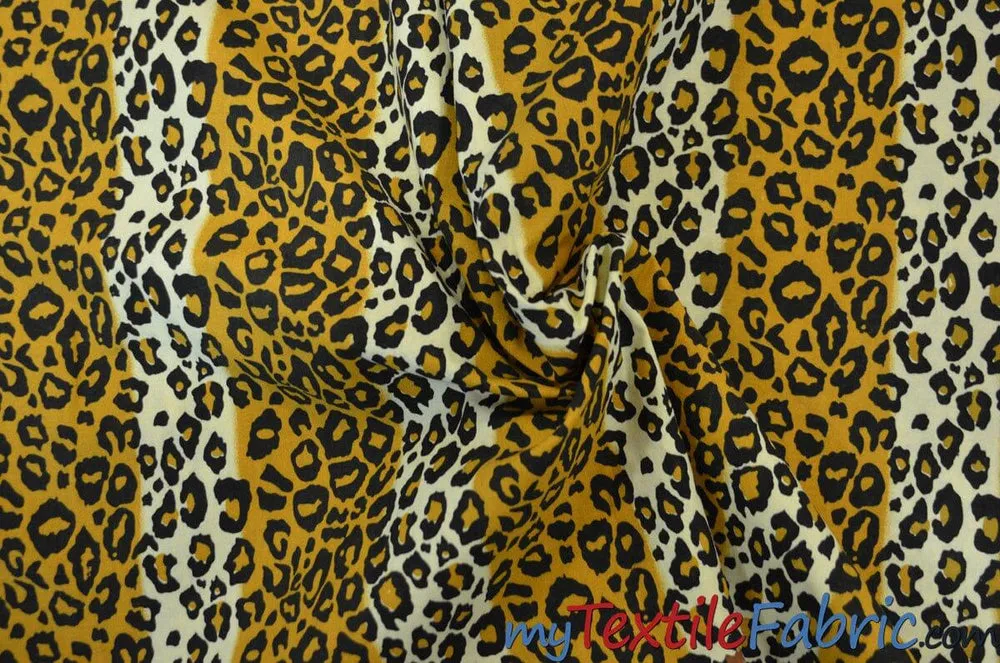
Animal prints have a way of coming back into fashion again and again. Among them, leopard patterns remain a popular choice for clothing, accessories, and creative fashion projects. Leopard print fabric can add a bold touch to a simple design without needing many extra details.
The pattern can work for everyday pieces, statement outfits, costumes, and accessories. However, its flexibility depends on how designers use the print, fabric type, and color combination. So, what makes leopard print such a useful choice?
Why Does Leopard Print Stay Popular?
Leopard patterns have a strong visual character. The mix of spots and natural-looking colors creates movement across the fabric without being overly complicated.
That makes it easy to use as a main feature or a smaller accent. A full leopard-print garment can create a bold look, while a small panel or accessory can add just a hint of the pattern.
Because of this balance, the print can work for both simple and more eye-catching designs.
How Can It Be Used in Apparel?
Leopard print can be used for many types of clothing. Designers can choose it for casual pieces, eveningwear, stage costumes, or seasonal collections.
Some common ideas include:
● Skirts
● Dresses
● Blouses
● Jackets
● Pants
● Tops
● Scarves
● Costume pieces
The fabric type also changes the final appearance. A soft fabric can create a relaxed look, while a structured material can make the same print feel more polished.
Can Leopard Print Work for Accessories?
Absolutely. Accessories are a great way to use a bold print without making it the main focus of an outfit.
Designers can use leopard fabric for bags, headbands, belts, scarves, hair accessories, and small fashion details. A leopard-print accessory can add contrast to a plain outfit.
For example, a neutral black or beige outfit can feel more interesting with a leopard-print bag or scarf. It is a simple way to add some personality without going overboard.
Does the Fabric Type Matter?
Yes. The print is only one part of the design. The base fabric can affect how the finished item looks and feels.
Lightweight materials may work well for flowing garments and scarves. Stretch fabrics can be useful for fitted clothing, while heavier materials may suit bags, jackets, or structured accessories.
Designers should consider the final purpose before choosing the material. A fabric that looks great on a bolt may not perform well for every project.
How Can Designers Use Leopard Print in Small Details?
Leopard print does not always need to cover an entire garment. Small sections can create a stylish contrast.
Designers can add the print to:
● Pocket panels
● Collars
● Cuffs
● Waistbands
● Sleeve details
● Bag straps
● Decorative trims
This approach can make a design feel more balanced. It is especially useful for people who like animal prints but prefer a more subtle look.
Can Leopard Print Fit Different Fashion Styles?
Yes. The pattern can be styled in many ways. Its final look depends largely on the garment design and the fabrics used around it.
For a casual style, leopard print can be paired with denim, cotton, or simple solid colors. For a more polished outfit, it can work with black, cream, brown, or other neutral shades.
It can also be used for retro-inspired clothing, stage costumes, festival outfits, and bold statement pieces. In other words, there is plenty of room to play around.
What About Different Color Combinations?
Traditional leopard patterns often use shades of brown, tan, black, and cream. However, designers are not limited to natural colors.
Fashion fabrics can feature leopard patterns in bright, pastel, metallic, or unusual color combinations. These variations can give the familiar print a completely different feel.
For instance, a pink and black leopard pattern may suit a playful accessory, while a black and gray version can create a more modern appearance.
Is Leopard Print Suitable for Custom Projects?
It can be a strong option for custom work because the pattern already provides visual interest. Designers can create a statement piece without adding complicated artwork.
When choosing leopard print material, it is still important to check the print scale. Large spots can create a dramatic look, while smaller patterns may feel more subtle.
Pattern direction and placement should also be considered. A little planning can help the spots appear balanced across the finished garment.
How Can Designers Make Leopard Print Look Balanced?
The easiest approach is to let the print stand out without competing with too many other patterns.
Solid colors are usually a safe pairing. Simple cuts can also help keep the design from feeling too busy.
However, experienced designers can mix prints and textures for a more creative result. The key is to create a clear focal point instead of making every part of the outfit fight for attention.
What Should Buyers Check Before Choosing the Fabric?
Before purchasing, designers should check the fabric's weight, width, stretch, softness, print quality, and intended use.
Ordering a sample is also a smart move. It gives designers a chance to see the actual colors and pattern size before committing to a larger quantity.
They should also think about care requirements. A fabric intended for frequent washing may need different qualities than one used for an occasional costume or accessory.
Why Is Leopard Print So Flexible?
Leopard print combines a recognizable pattern with plenty of styling options. It can be bold, subtle, playful, or sophisticated depending on the garment and supporting materials.
From full outfits to small accessories, leopard fabric can bring visual interest to many designs. The right base material can further improve its comfort, structure, and performance.
For designers looking to add personality to apparel or accessories, leopard print fabric remains a flexible choice. With thoughtful color matching, pattern placement, and fabric selection, it can fit into everything from everyday fashion to standout custom creations.