What Makes a 17000 Watt Inverter Generator Useful for Home Backup Power?
21 Views
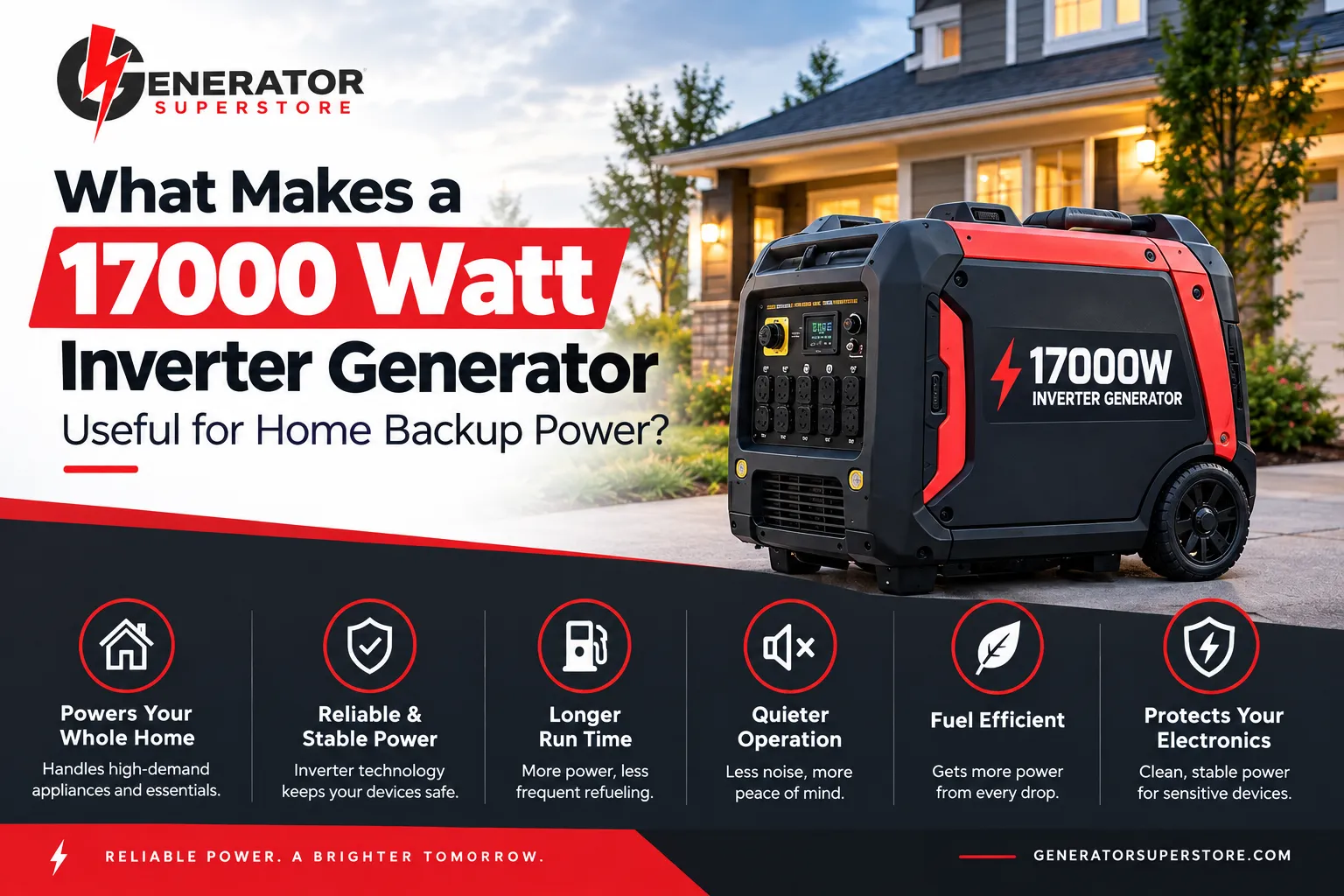
A home backup generator has one job: keep important electrical systems running during a power outage. A small unit may handle lights and a refrigerator, but larger homes can need much more power. The Genmax 17000 watt inverter generator can suit applications that require high output with inverter-based power delivery. Its usefulness depends on the home's actual load, the appliances connected, the fuel source, and the way backup circuits are arranged. A high-capacity generator can give homeowners more room to run key systems at the same time, but proper load planning is still needed before purchase.
What Can 17000 Watts Actually Run?
Seventeen thousand watts gives a home a large supply of available power. It can support several major electrical loads at once, provided their combined demand stays within the generator's rated capacity. This level of output can be useful for larger homes with several electrical systems that need backup power during an outage.
A backup plan may include a refrigerator, freezer, furnace blower, sump pump, lighting, internet equipment, television, kitchen appliances, and selected cooling systems. The exact combination depends on each appliance rating. Some devices also need extra power for startup. A good load list shows which appliances can run together and which ones should be used at separate times.
Why Inverter Output Matters at Home
The value of an inverter generator goes beyond its power rating. Inverter technology converts generated electricity into a controlled electrical output. This design can provide stable power for many household electronics. The result can be useful for homes that depend on both large appliances and smaller electronic devices.
Computers, routers, televisions, chargers, smart controls, and modern appliance boards can be sensitive to poor power quality. Stable voltage and frequency can help reduce unwanted electrical stress on these devices. This matters during an outage because several different types of equipment may share the same backup system.
Can It Handle Appliances With High Startup Demand?
Running watts do not tell the whole story. Some appliances draw a strong surge for a short period during startup. This brief increase can be much higher than the power used after the appliance begins normal operation.
Central air conditioning systems, well pumps, refrigerators, freezers, and other motor-driven equipment can create this demand. A generator must have enough capacity to manage that temporary increase without excessive voltage or frequency change. A large output rating can provide more room for these short demand spikes.
This is one reason a high output unit can be useful for a home with several motor loads. Check the starting and running requirements of major equipment before selecting a generator. A qualified professional can also help review the total electrical demand.
Does Tri-Fuel Capability Make Backup Easier?
Fuel choice can affect how practical a generator is during a long outage. A tri-fuel unit can use gasoline, propane, and natural gas, based on the model and its approved configuration. Having several fuel choices can give homeowners more flexibility during extended backup use.
Each option has different operating conditions. Gasoline can be stored for backup use. Propane can provide another stored fuel source. Natural gas can offer a continuous supply for homes with a suitable connection. Fuel storage, supply, and connection rules should be checked before operation.
How Should You Plan the Home's Backup Loads?
Do not begin with the generator. Begin with the circuits. This simple change can make generator selection much clearer. The goal is to identify the systems that matter most during an outage.
List the systems that must stay active during an outage. Separate essential loads from equipment that can remain off. This creates a practical backup plan and helps prevent unnecessary demand. It also makes it easier to estimate the capacity needed for the home.
A transfer switch can route generator power to selected home circuits. It also helps keep the generator supply separate from the utility connection. A qualified electrician should install fixed transfer equipment according to local electrical requirements. Proper installation is a key part of safe generator operation.
What Should You Check Before Buying?
Look beyond the large watt number. Review rated output, starting capacity, voltage, phase, fuel options, runtime, outlet configuration, and transfer switch compatibility. These specifications show how well the generator can fit the home's electrical system.
Noise level and physical size may also matter for residential placement. Read the installation and operating requirements before purchase. The generator must have a suitable location with proper clearance and ventilation. Fuel connections and electrical connections should also follow the manufacturer's instructions.
Sum Up:
A 17000-watt inverter generator can be a strong choice for homes with several high-demand appliances and a need for broad backup coverage. The right decision comes from measured or calculated load, startup demand, electrical configuration, and fuel availability. The generator should support the home's key circuits without being selected on wattage alone. For buyers comparing options, the best Genmax tri fuel choice should match the home's real electrical needs rather than simply having the highest advertised output. Review the generator's specifications for each fuel type and compare them with the power requirements of the equipment you plan to operate.
Need reliable backup power for your home? Review your essential circuits and appliance loads with a qualified generator professional, then select a generator that can handle your actual demand safely and consistently.
Related Reading
Top 10 Hidden Secrets About Business & Finance You Need to Know
Welcome to our in-depth exploration of Business & Finance. In an era defined...
Why Business & Finance is Transforming the Global Industry Landscape
Welcome to our in-depth exploration of Business & Finance. In an era defined...