What It Really Takes to Restore an Implant
By WilliamJack
22 Views
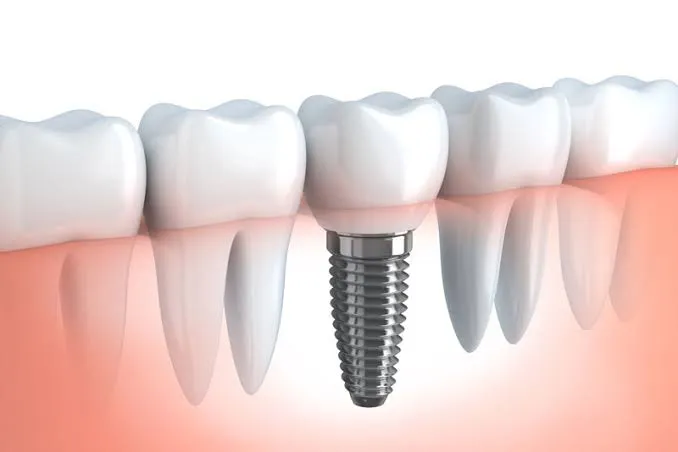
An implant post placed into the jawbone is only one part of the overall treatment. Patients will actually see and use the Dental Implant Restorations, such as a crown, bridge, or denture, that is attached to the implant post. These restorations are created separately from the implant itself and must be designed to provide a comfortable fit, natural appearance, and reliable function. Because of this, dental implants involve several technical decisions before the final restoration can be placed and used by the patient.
Initial decision will typically be based upon whether you want to attach the restoration to the implant by means of screws (screw retained) or if you want to use cement (cement retained). When using a screw retained restoration, the restoration is attached to the implant using a small hole through which the dentist can remove it in the future, if necessary. When using a cement retained restoration, the restoration is attached to an intermediate component called an abutment, which is then cemented into place within your mouth. Both types of attachment have their own advantages and disadvantages, namely regarding retrievability, aesthetic quality, and the amount of chairside modifications that may need to be made.
The type of material used for the abutment is as important, if not more so, than many people realize; the abutment is located in between the implant and the visible portion of the tooth. When choosing the material for the abutment, titanium is a good choice for back teeth since it is durable and does not require an aesthetic appearance, whereas zirconia is typically chosen for front teeth because it prevents the greyish shadow that titanium can produce under thin gum tissue.
Customized abutments, created specifically for a single patient's anatomy, provide much greater flexibility regarding both angulation and soft tissue contours compared to a standard, pre-made abutment. This added flexibility is typically most beneficial when the implant was not placed in an optimal location. Unfortunately, implants being placed in less-than-optimal locations occurs more frequently than most patients realize due to the many anatomical limitations that dentists face.
Fit tolerances for implant work are typically much narrower than those for restorations made from natural teeth; this is due to the fact that implants do not have the same amount of slight movement or "give" in their sockets as do natural teeth. Therefore, if a restoration does not fit properly, it will create undue stresses on the implant over time. As a result, the design and production stages of making an implant-supported restoration are generally more precise than they would be when producing a traditional crown.
Digital workflows have had a positive impact on this process. Accuracy when scanning the location of the implant, followed by the design of both the abutment and crown within the same digital environment, has allowed us to reduce the number of individual steps that can introduce errors into our processes compared to previous analogue processes that used several physical impressions.
Dentists who treat a large number of implant patients can benefit from working with a dental lab that understands the specific demands of Dental Implant Restorations, instead of treating them as simply more complicated versions of regular crowns. Implant-supported restorations have different mechanical considerations from natural teeth, and those differences can directly affect how the final restoration fits, functions, and performs over time.
In addition, there is a second level of difficulty with full-arch cases. For example, a single restoration may require support from four to six implants; however, these implants must work together as a unit. Therefore, when designing a full-arch case, you must consider the tolerances required for each implant in conjunction with the other implants as well as any individual points of contact. Due to the increased amount of planning involved with these types of cases, they will often require additional time to create and verify prior to beginning production.
Most patients do not have any knowledge of this part of the process. They will go through a fitting appointment, and the restoration may go in easily or require some fine-tuning. The ease of the fitting appointment can be directly attributed to the decisions that were made several weeks prior during the design phase of the restoration regarding abutment selection, retention methods, and materials.
Conclusion
Restoration above an implant is equally as important technically as the surgical insertion below; however, there are many fewer discussions regarding restoration than there are concerning the surgical aspect of implants. If you get the abutment, retention technique and fitting right the first time you will avoid additional trips back to your dentist and you will give your implant a better opportunity to last as long as intended.
Note:
How Dental Molds Improve Accuracy in Modern Restorative Care