What is RG59 Cable? Complete Buying Guide
102 Views
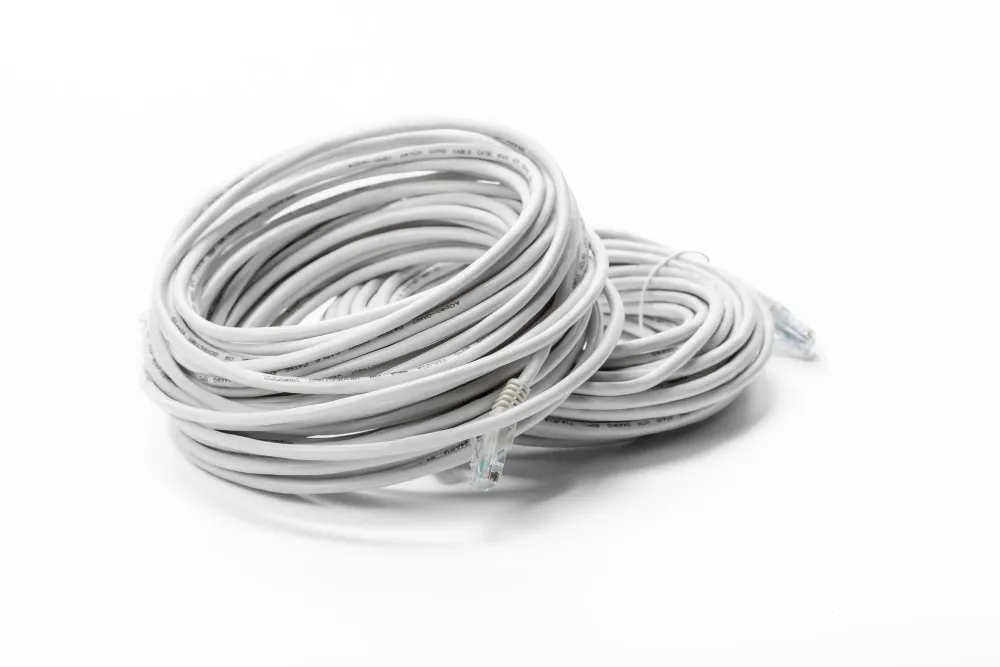
RG59 cable is one of the most widely used 75 Ohm coaxial cables designed for transmitting low-frequency radio frequency (RF) signals and analog video signals with excellent reliability. It is commonly used in CCTV surveillance systems, video transmission, cable television, satellite equipment, security cameras, and broadcast applications.
Although newer technologies such as IP cameras and fiber optics are becoming increasingly popular, RG59 cable continues to be a preferred choice for short-distance analog video installations due to its affordability, flexibility, and ease of installation.
This comprehensive buying guide explains everything you need to know about RG59 cable, including its construction, specifications, applications, advantages, limitations, and tips for selecting the right cable for your project.
What is RG59 Cable?
RG59 (Radio Guide 59) is a type of 75 Ohm coaxial cable specifically designed for low-loss transmission of video and RF signals over relatively short distances.
The cable consists of a center conductor surrounded by dielectric insulation, a braided or foil shield, and an outer protective jacket. This construction minimizes electromagnetic interference (EMI) while maintaining consistent signal quality.
RG59 is particularly suitable for frequencies up to approximately 1 GHz and is widely used in analog CCTV systems and video distribution networks.
Construction of RG59 Cable
The performance of RG59 cable depends on its four primary layers.
Center Conductor
The center conductor carries the electrical signal.
Common materials include:
- Solid Bare Copper
- Copper-Clad Steel
- Tinned Copper
Solid copper conductors provide better performance for CCTV camera systems, especially where power and video are transmitted together.
Dielectric Insulation
The dielectric separates the conductor from the shield while maintaining constant impedance.
Common dielectric materials include:
- Solid Polyethylene
- Foam Polyethylene
- Gas Injected Foam
Shield Layer
The shield protects transmitted signals from external interference.
Shield options include:
- Copper Braid
- Aluminum Braid
- Aluminum Foil
- Dual Shield
- Quad Shield
Higher shielding percentages provide better protection against signal noise.
Outer Jacket
The outer jacket protects the cable against environmental damage.
Popular jacket materials include:
- PVC
- PE
- LSZH
- UV Resistant Polyethylene
Outdoor installations require UV-resistant jackets for maximum durability.
Technical Specifications of RG59 Cable
SpecificationTypical ValueCable TypeRG59 Coaxial CableImpedance75 OhmFrequency RangeDC to 1 GHz (Typical)Center ConductorSolid Copper / Copper Clad SteelDielectricFoam PE / Solid PEShieldCopper Braid / Aluminum BraidOuter JacketPVC / PE / LSZHCharacteristic Impedance75 ΩSignal TypeAnalog Video & RF
Types of RG59 Cable
Several RG59 cable variants are available depending on installation requirements.
Standard RG59 Cable
Used for indoor CCTV installations and short-distance video transmission.
RG59 with Power Cable
Also known as Siamese cable, this version combines the coaxial cable with two power conductors, allowing both video and power to be supplied through a single cable.
Ideal for:
- CCTV Cameras
- DVR Systems
- Security Installations
Outdoor RG59 Cable
Designed with UV-resistant jackets and moisture protection for outdoor environments.
Suitable for:
- Outdoor Cameras
- Parking Areas
- Industrial Sites
- Campus Security
Plenum Rated RG59
Designed for installation in air-handling spaces while meeting fire safety regulations.
Applications of RG59 Cable
RG59 cable is used across numerous industries.
CCTV Surveillance Systems
The most common application of RG59 cable is connecting analog security cameras to DVR systems.
Cable Television
Used for cable TV signal distribution in residential and commercial buildings.
Broadcast Equipment
Widely used in television studios and professional video production.
Satellite Systems
Suitable for certain satellite receivers and RF equipment operating at lower frequencies.
Video Monitoring Systems
Used in:
- Shopping malls
- Airports
- Offices
- Hospitals
- Warehouses
Home Entertainment
Ideal for:
- DVD Players
- Video Distribution
- Set-top Boxes
- Older Television Systems
Industrial Security
Factories and manufacturing facilities continue to use RG59 for analog surveillance systems.
Advantages of RG59 Cable
RG59 offers several benefits that make it a reliable solution for video transmission.
Excellent Video Quality
Provides clear analog video transmission with minimal distortion over short distances.
Cost-Effective
RG59 cable is one of the most affordable coaxial cable options available.
Easy Installation
Its flexibility allows installers to route cables through walls, ceilings, and conduits with ease.
Reliable Performance
Offers stable signal transmission for CCTV and RF applications.
Wide Compatibility
Compatible with:
- BNC Connectors
- DVR Systems
- CCTV Cameras
- Video Switches
- RF Equipment
Low Signal Reflection
The consistent 75 Ohm impedance reduces signal reflections and improves transmission quality.
Limitations of RG59 Cable
Despite its popularity, RG59 has certain limitations.
- Higher attenuation than RG6
- Not suitable for long-distance installations
- Limited bandwidth compared to modern coaxial cables
- Less effective for high-frequency satellite applications
- Lower shielding than premium coaxial cables
RG59 vs RG6 Cable
FeatureRG59RG6Impedance75 Ohm75 OhmCenter ConductorSmallerLargerSignal LossHigherLowerMaximum DistanceShortLongFlexibilityExcellentModerateCCTV SystemsExcellentGoodCable TVGoodExcellentBroadband InternetLimitedExcellent
How to Choose the Right RG59 Cable
Selecting the proper RG59 cable depends on several factors.
Installation Location
Choose indoor or outdoor cable depending on environmental conditions.
Shielding
Higher braid coverage provides better protection from EMI and signal interference.
Conductor Material
Solid copper conductors deliver better signal quality than copper-clad steel in CCTV applications.
Cable Length
Long cable runs increase signal attenuation. For extended distances, consider RG6 or active transmission solutions.
Jacket Type
Select:
- PVC for indoor use
- PE for outdoor installations
- LSZH for commercial buildings
Connector Compatibility
Ensure compatibility with:
- BNC Connectors
- F Connectors
- RCA Adapters
- Video Equipment
Installation Tips
For optimal performance:
- Avoid sharp bends.
- Keep cables away from power lines.
- Use quality BNC connectors.
- Secure cables properly.
- Protect outdoor cables from moisture.
- Test signal quality after installation.
- Use weatherproof connectors outdoors.
Common Problems with RG59 Cable
Some common issues include:
- Signal attenuation
- Poor image quality
- Loose connectors
- Shield damage
- Water ingress
- Connector corrosion
- Cable bending damage
Regular inspection helps prevent these issues.
Why Choose High-Quality RG59 Cable?
Premium RG59 cable provides:
- Better shielding
- Longer service life
- Improved video quality
- Reduced maintenance
- Stable signal transmission
- Easier installation
- Greater durability
High-quality cables reduce installation failures and improve overall system reliability.
Conclusion
RG59 cable remains one of the most trusted coaxial cables for analog video transmission and CCTV surveillance systems. Its flexibility, affordability, and dependable performance make it an excellent choice for residential, commercial, and industrial security installations. By selecting the correct conductor material, shielding, jacket type, and connectors, you can ensure reliable signal transmission and long-lasting performance. Whether installing a home security system or upgrading a commercial surveillance network, choosing a premium-quality RG59 cable will deliver dependable results for years to come.
Frequently Asked Questions (FAQs)
1. What is RG59 cable used for?
RG59 cable is mainly used for CCTV cameras, analog video transmission, cable television, security systems, and RF applications.
2. Is RG59 a 50 Ohm or 75 Ohm cable?
RG59 is a 75 Ohm coaxial cable designed primarily for video and broadcast applications.
3. What connector is used with RG59 cable?
The most common connector is the BNC connector, although F-type and RCA connectors may also be used depending on the application.
4. What is the maximum distance for RG59 cable?
For CCTV applications, RG59 typically supports up to 225–300 meters (approximately 750–1,000 feet) depending on signal quality, cable construction, and equipment.
5. Can RG59 cable be used outdoors?
Yes. Outdoor-rated RG59 cables with UV-resistant and weatherproof jackets are specifically designed for external installations.
6. What is the difference between RG59 and RG6?
RG6 has a larger conductor, better shielding, and lower signal loss, making it more suitable for longer cable runs and broadband applications, while RG59 is ideal for short-distance analog video systems.
7. Is RG59 suitable for HD CCTV cameras?
RG59 can support HD-over-Coax technologies such as HD-TVI, AHD, and HD-CVI when used within the recommended transmission distances.
8. Does RG59 cable carry power?
A standard RG59 cable carries only the signal. However, RG59 Siamese cable includes separate power wires, allowing both video and power to be transmitted together.
9. How long does RG59 cable last?
A high-quality RG59 cable installed correctly can provide 10 to 20 years of reliable service, depending on environmental conditions and usage.
10. How do I choose the best RG59 cable?
Choose an RG59 cable based on conductor material, shielding quality, cable length, installation environment, jacket type, and connector compatibility to achieve the best performance.