What is PRP Treatment?
81 Views
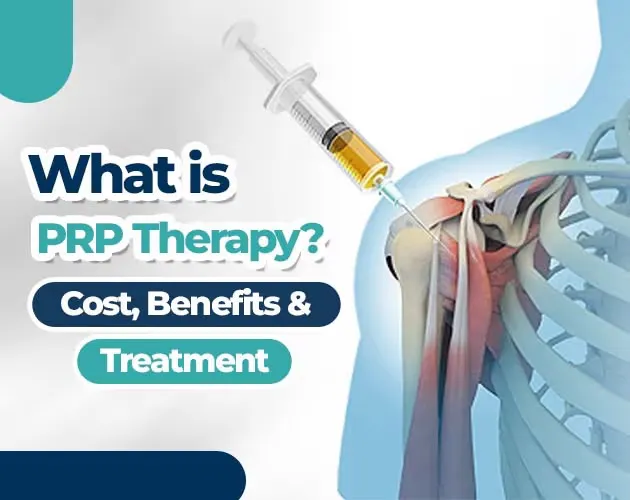
In the evolving field of modern medicine, regenerative therapies have transformed how we approach chronic pain, sports injuries, and aesthetic concerns. Among these innovations, PRP treatment (Platelet-Rich Plasma therapy) stands out as a leading natural, non-surgical solution. From elite athletes accelerating their recovery from tendon tears to individuals combating male pattern baldness or joint stiffness, this biological intervention is widely recognized across global clinical practices.
But what exactly is it, how does it harness your body's hidden healing potential, and what should you expect during a session? This patient-focused guide details the science, applications, and practical realities of PRP therapy.
PRP Treatment
PRP treatment is a form of regenerative medicine that utilizes a concentrated solution of a patient's own blood platelets to accelerate the natural healing of damaged tissues, muscles, ligaments, and joints.
Human blood is primarily composed of a liquid called plasma, which contains small solid components: red blood cells, white blood cells, and platelets. While platelets are famous for their blood-clotting abilities, they also act as microscopic biological factories packed with specialized proteins called growth factors. These growth factors are vital for cell reproduction, tissue remodeling, reducing inflammation, and triggering neo-vascularization (the creation of new blood vessels). By isolating and concentrating these platelets, a medical professional can deliver a powerful, localized dose of the body's natural repair mechanisms directly to an injured site.
How Does the Procedure Work?
The entire PRP process is an in-clinic, minimally invasive outpatient procedure that typically takes less than an hour from start to finish. It follows a highly structured, sterile sequence:
- The Blood Draw: A healthcare professional extracts a small volume of venous blood (usually between 15 mL and 60 mL) from your arm, identical to a routine laboratory blood test.
- Fractionation (The Centrifuge): The blood sample is placed inside a highly specialized machine called a centrifuge. The device spins the sample at high velocities, utilizing centrifugal force to separate the blood components into distinct layers based on their specific density.
- Extraction: The layer containing highly concentrated platelets often yielding three to five times the concentration found in normal physiological blood is meticulously drawn into a syringe.
- The Targeted Injection: After cleaning the treatment area and sometimes applying a local anesthetic to ensure comfort, the clinician injects the prepared plasma directly into the targeted tissue or joint space. In complex musculoskeletal areas, doctors frequently use real-time ultrasound guidance to guarantee pinpoint precision.
Common Clinical Applications of PRP
Because platelets play a universal role in soft and hard tissue repair, PRP injections are utilized across several medical subspecialties:
1. Orthopedics and Sports Medicine
Tendons, joints, and ligaments notoriously suffer from a poor direct blood supply, making it difficult for the body to deliver essential healing nutrients to them naturally. PRP bridges this gap. Clinical studies show excellent efficacy in managing:
- Chronic Tendonitis: Conditions such as lateral epicondylitis (tennis elbow), Achilles tendinitis, and patellar tendon strain (jumper's knee).
- Knee Osteoarthritis: PRP helps modulate the internal joint microenvironment, calming pro-inflammatory cytokines and decreasing painful friction. It is frequently used by patients seeking to delay or avoid invasive joint replacement surgeries.
2. Trichology (Hair Restoration)
When microinjected into the scalp, the growth factors in PRP stimulate the blood vessels surrounding dormant hair follicles. This increases blood flow, counteracts male and female pattern baldness (androgenetic alopecia), reduces active hair shedding, and increases the shaft diameter of existing hair strands. It is also widely used to boost graft survival rates following hair transplant procedures.
3. Aesthetics and Dermatology
Often called the "Vampire Facial," topical or subdermal application of PRP combined with microneedling triggers advanced collagen and elastin production. This clinical aesthetic approach improves skin elasticity, smooths fine lines, evens out pigmentation abnormalities, and flattens stubborn acne scars.
Safety, Side Effects, and Recovery Lifestyle
One of the most appealing features of PRP therapy is its excellent safety profile. Because the solution is 100% autologous (derived completely from your own body), there is virtually zero risk of experiencing an allergic reaction, foreign-body rejection, or systemic cross-contamination.
However, because the injection intentionally triggers a localized inflammatory response which is exactly how the body initiates healing, patients should expect a temporary baseline increase in localized soreness, mild swelling, or bruising for 3 to 7 days post-treatment.
Essential Post-Procedure Rules:
- Avoid NSAIDs: Do not take anti-inflammatory medications (like ibuprofen, naproxen, or high-dose aspirin) for several weeks after your procedure. These drugs blunt the inflammatory healing cascade initiated by the injected platelets.
- Activity Modification: Avoid high-velocity, high-impact activities that place heavy strain on the treated area during the initial recovery phase.
- Manage Swelling Naturally: Use ice packs for 20 minutes every few hours during the first 48 hours to manage local swelling without disrupting the cellular repair mechanisms.
Frequently Asked Questions
How long does it take for PRP treatment to work?
PRP provides a gradual structural repair rather than instant symptomatic mask-masking. For joint and tendon pain, noticeable improvements in mobility and comfort typically appear after 4 to 6 weeks. For hair loss or skin rejuvenation, visible changes unfold over 3 to 6 months as the natural cellular turnover and hair growth cycles progress.
How many sessions of PRP will I need?
The treatment protocol depends entirely on the condition's severity. While some acute muscle strains resolve wonderfully after one or two targeted sessions, chronic joint degeneration or progressive hair loss often requires an initial baseline series of 3 to 4 treatments spaced roughly one month apart, followed by annual or bi-annual maintenance sessions.
Is PRP therapy covered by health insurance?
In most regions, including Australia, standard private health insurance and Medicare do not cover the cost of PRP injections because the treatment is still classified as an elective, investigational regenerative procedure. Out-of-pocket costs typically range from $750 to $2,000 per session depending on the treatment complexity and facility.
Conclusion
PRP treatment represents a remarkable milestone in modern healthcare, shifting the clinical focus from chemical management to biological regeneration. By utilizing a concentrated dose of your own growth factors, it offers a safe, minimally invasive, and evidence-based route to repair tissue, restore function, and rejuvenate skin or hair without the extensive downtime or risks associated with major surgery.