What Is Dehydrated Skin? Causes, Symptoms, and How to Restore Healthy Hydration
By Vikash kumar
153 Views
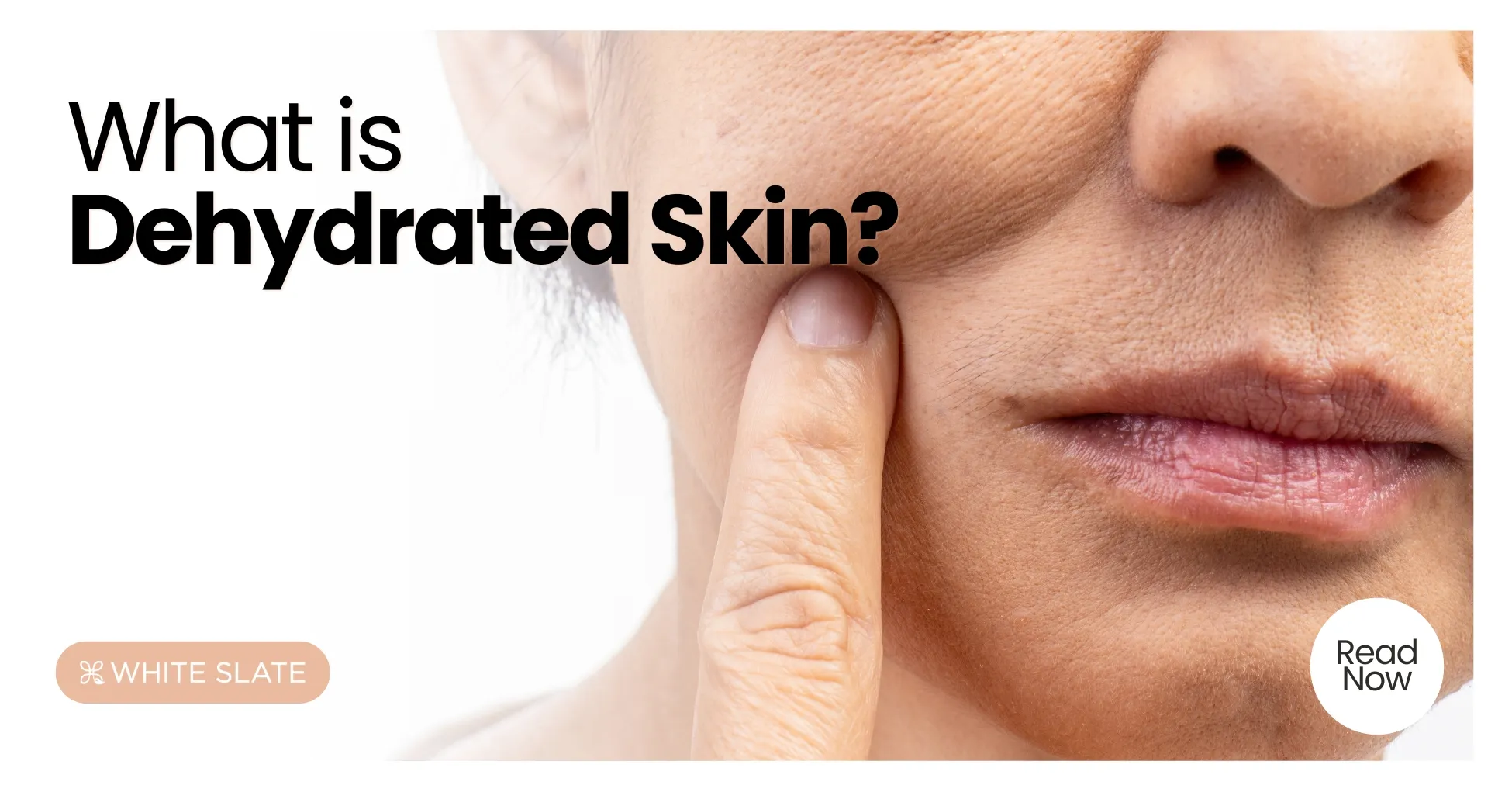
Healthy skin naturally looks soft, smooth, and radiant. But many people experience tightness, dullness, rough texture, or flaky patches even when they use skincare regularly. One common reason behind these concerns is dehydrated skin. Although it is often confused with dry skin, dehydrated skin is actually a temporary condition caused by a lack of water in the skin rather than a lack of oil.
Understanding dehydrated skin is important because the wrong skincare routine can sometimes make the condition worse. With proper care, hydration, and lifestyle changes, the skin can regain its healthy glow and balanced appearance.
What Is Dehydrated Skin?
Dehydrated skin refers to skin that lacks sufficient water content. It can affect all skin types, including oily, combination, and acne-prone skin. Even people with naturally oily skin can experience dehydration because oil and water are two different things.
When the skin does not retain enough moisture, the protective barrier becomes weakened. As a result, the skin may appear dull, feel uncomfortable, and become more sensitive to environmental damage.
Unlike dry skin, which is a skin type caused by lower oil production, dehydrated skin is a condition that can happen to anyone due to external or internal factors.
Difference Between Dry Skin and Dehydrated Skin
Many people use the terms interchangeably, but they are not the same.
Dry Skin
- A skin type
- Lacks natural oils or sebum
- Often feels rough and flaky all year round
- May require nourishing oils and creams
Dehydrated Skin
- A temporary skin condition
- Lacks water content
- Can affect oily or acne-prone skin too
- Usually improves with proper hydration and skincare
A person with oily skin may still notice tightness, irritation, or dullness if their skin becomes dehydrated.
Common Signs of Dehydrated Skin
Recognizing the symptoms early can help prevent further irritation and discomfort.
1. Tightness After Cleansing
If your skin feels stretched or uncomfortable after washing your face, dehydration may be the cause.
2. Dull and Tired Appearance
Dehydrated skin often loses its natural glow and may appear fatigued or uneven.
3. Increased Sensitivity
The skin barrier becomes weaker, making the skin more reactive to products, weather, or pollution.
4. Fine Lines Become More Noticeable
Lack of hydration can temporarily make fine lines and wrinkles appear deeper.
5. Flaky or Rough Patches
Water loss can lead to uneven texture and dry-looking areas.
6. Excess Oil Production
In some cases, the skin produces more oil to compensate for dehydration, leading to shiny skin and clogged pores.
What Causes Dehydrated Skin?
Several factors contribute to dehydration in the skin. Understanding these triggers can help you avoid them and maintain healthier skin.
Weather Changes
Cold air, harsh winds, and hot temperatures can strip moisture from the skin.
Over-Cleansing
Using harsh face washes or washing too frequently can damage the skin barrier. A mild Gentle Cleanser can help remove impurities without making the skin feel stripped or tight.
Lack of Water Intake
Not drinking enough water may contribute to dehydration throughout the body, including the skin.
Excessive Exfoliation
Overusing scrubs, acids, or exfoliating treatments may weaken the skin barrier and increase moisture loss.
Hot Showers
Very hot water can remove natural moisture and leave the skin feeling dry and irritated.
Air Conditioning and Indoor Heating
These environments reduce humidity levels, which can dry out the skin over time.
Stress and Lack of Sleep
Poor lifestyle habits can affect skin health and reduce the skin’s ability to maintain proper hydration.
How Dehydrated Skin Affects the Skin Barrier
The skin barrier is the outer protective layer responsible for locking in moisture and shielding the skin from environmental aggressors. When the skin becomes dehydrated, this barrier weakens.
A compromised barrier may lead to:
- Redness
- Irritation
- Increased sensitivity
- Breakouts
- Uneven texture
- Faster moisture loss
Protecting the skin barrier is one of the most important steps in treating dehydrated skin.
Best Ingredients for Dehydrated Skin
Choosing hydrating and soothing ingredients can significantly improve the condition of dehydrated skin.
Hyaluronic Acid
A Hyaluronic acid moisturiser helps attract and retain water in the skin, making the skin appear plumper and smoother.
Glycerin
This ingredient draws moisture into the skin and supports hydration balance.
Ceramides
Ceramides help strengthen the skin barrier and prevent moisture loss.
Aloe Vera
Known for its soothing and hydrating properties, aloe vera can calm dehydrated skin.
Panthenol
Also known as Vitamin B5, panthenol helps maintain softness and improve skin hydration.
Squalane
Squalane helps support the skin barrier while keeping the skin soft and nourished.
Skincare Routine for Dehydrated Skin
A simple and gentle routine can help restore hydration and improve skin health.
Step 1: Use a Mild Face Wash
Avoid harsh cleansers that leave the skin squeaky clean. Choose a hydrating gentle face wash that maintains the natural barrier.
Step 2: Apply Hydrating Products
Use lightweight serums or toners containing hydrating ingredients such as hyaluronic acid or glycerin.
Step 3: Moisturize Properly
A moisturizer helps seal hydration into the skin and prevents water loss.
Step 4: Protect with Sunscreen
UV exposure can worsen dehydration and damage the skin barrier. Daily sunscreen use is essential.
Step 5: Avoid Over-Exfoliating
Limit exfoliation to prevent irritation and maintain healthy moisture levels.
Lifestyle Tips to Prevent Skin Dehydration
Healthy habits can improve hydration from within and support long-term skin health.
Drink Enough Water
Hydration starts internally, so maintaining adequate water intake is important.
Eat Water-Rich Foods
Fruits and vegetables such as cucumber, watermelon, and oranges support hydration.
Sleep Properly
Good sleep helps the skin repair itself overnight.
Manage Stress
Stress can negatively affect the skin barrier and overall skin condition.
Use a Humidifier
Adding moisture to indoor air may help reduce dryness caused by air conditioning or heaters.
Can Oily Skin Be Dehydrated?
Yes, oily skin can absolutely become dehydrated. In fact, many people with oily or acne-prone skin unknowingly overuse harsh products in an attempt to reduce oiliness. This can strip the skin of water and trigger even more oil production.
Signs of dehydrated oily skin include:
- Shiny skin with tightness
- Breakouts with flaky areas
- Rough texture
- Sensitivity despite oily appearance
Balancing hydration without overloading the skin with heavy products is the key.
How Long Does It Take to Repair Dehydrated Skin?
The recovery time depends on the severity of dehydration and the skincare routine being followed. Mild dehydration may improve within a few days, while more damaged skin barriers may take several weeks to fully recover.
Consistency is important. Using gentle skincare products and avoiding harsh treatments can gradually restore the skin’s moisture balance.
When Should You See a Dermatologist?
If dehydration is severe or accompanied by persistent redness, irritation, itching, or painful dryness, consulting a dermatologist is recommended. Sometimes skin conditions such as eczema or dermatitis may resemble dehydrated skin and require professional care.
Frequently Asked Questions (FAQs)
Is dehydrated skin permanent?
No, dehydrated skin is usually temporary and can improve with proper hydration and skincare.
Can drinking water alone fix dehydrated skin?
Drinking water helps, but external skincare and barrier protection are also necessary.
Can acne-prone skin become dehydrated?
Yes, acne-prone skin often becomes dehydrated due to over-cleansing or harsh acne treatments.
What is the main symptom of dehydrated skin?
Tightness, dullness, and increased sensitivity are among the most common signs.
Should exfoliation be avoided completely?
Not necessarily. Gentle exfoliation in moderation may help, but over-exfoliating should be avoided.
Conclusion
Dehydrated skin is a common condition that can affect anyone regardless of skin type. Environmental stress, harsh skincare routines, and lifestyle habits often contribute to the loss of water from the skin. The good news is that dehydrated skin can usually be improved with gentle skincare, proper hydration, and healthy daily habits.
By understanding the signs and choosing products that support the skin barrier, it becomes easier to restore smoothness, comfort, and natural radiance to the skin.
Disclaimer
This article is intended for informational and educational purposes only and should not be considered medical advice. Individual skin concerns may vary, and it is always recommended to consult a qualified dermatologist or skincare professional before starting any new skincare routine or treatment.
Related Reading
Why Lifestyle & Culture is Transforming the Global Industry Landscape
Welcome to our in-depth exploration of Lifestyle & Culture. In an era define...
Expert Insights: Navigating the Complex World of Lifestyle & Culture
Welcome to our in-depth exploration of Lifestyle & Culture. In an era define...