What Is Brick Staining And Why Are Homeowners Choosing It?
83 Views
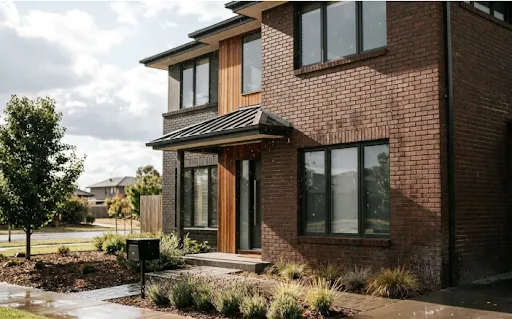
If you've spent any time looking at faded brick walls, mismatched additions, or older masonry that just feels tired, you've probably come across the question: what is brick staining and why are so many property owners switching to it? It's a fair question. Brick staining has become one of the most talked-about solutions for updating masonry without covering up what makes brick attractive in the first place. Unlike traditional coatings that sit on top of the surface, brick staining penetrates into the masonry and changes the color while allowing the texture and character of the brick to remain visible. That's a big reason why homeowners, contractors, and commercial property managers keep choosing it. The finished look feels authentic rather than painted over. At Mineral Stains, this approach has become a preferred option for people who want long-term beauty without sacrificing the natural appearance of their masonry surfaces.
Why Traditional Paint Often Fails On Exterior Brick Surfaces
A lot of people assume paint and brick staining do the same thing. They really don't. Paint forms a film over the masonry. At first it can look clean and uniform, but brick naturally absorbs and releases moisture. Over time that moisture pressure can cause paint to blister, peel, crack, and eventually fail. Then comes the expensive part. Scraping, repairs, repainting. It turns into a cycle. Brick staining works differently because it becomes part of the masonry rather than creating a separate layer on top. The result is a finish that ages much more naturally. You still see the texture. You still see the variation. The brick can continue to breathe. That's important because breathable masonry tends to perform better over the long run, especially in climates that experience moisture fluctuations throughout the year.
How Brick Staining Actually Works Inside The Masonry
Many people are surprised when they learn how brick staining works. The process isn't about masking brick. It's about chemically bonding color into the porous structure of the masonry itself. The stain penetrates below the surface where it becomes integrated with the material. That means the finish doesn't typically chip away like conventional paint because there isn't a surface film to separate from the brick. Professional brick staining also allows color adjustments that range from subtle corrections to dramatic transformations. A building with multiple brick batches can be blended together. A dated exterior can be modernized. Weathered brick can gain new life without losing its original texture. The key is proper preparation, careful color matching, and using products designed specifically for mineral-based surfaces.
The Connection Between Brick Staining And Silicate Paint Performance
When discussing masonry finishes, silicate paint often enters the conversation. That's because high-quality silicate paint shares some of the same principles that make brick staining successful. Unlike acrylic coatings, silicate paint forms a mineral bond with masonry substrates. It becomes chemically integrated with the surface rather than merely sticking to it. This mineral-based technology creates exceptional durability and breathability. In many restoration and preservation projects, silicate paint is selected because it respects the natural behavior of brick, stone, and other mineral surfaces. While brick staining is generally preferred when maintaining visible brick texture and variation is the goal, silicate paint can be an excellent solution when a fully colored masonry finish is desired. Both options prioritize breathability, longevity, and compatibility with masonry materials.
Common Reasons Property Owners Invest In Brick Staining
Real-world projects tell the story better than any sales pitch. One of the most common reasons people pursue brick staining is color inconsistency. Maybe a home addition was completed years after the original structure and the new brick never matched. Sometimes repair work leaves obvious patches scattered across a wall. Other times the brick simply feels outdated. Bright orange tones that were popular decades ago may not fit modern design preferences. Brick staining provides flexibility without replacing the masonry. Property owners can achieve a cohesive appearance while preserving the original investment. For commercial buildings, that can mean improving curb appeal without the disruption and expense of major reconstruction. For homeowners, it often means increasing visual appeal while maintaining authenticity.
Durability Benefits That Make Brick Staining Worth Considering
Durability is where brick staining really starts separating itself from many alternative solutions. Exterior masonry faces sun exposure, rain, temperature swings, wind-driven moisture, and pollution. Any finish applied to that surface has a tough job. Because brick staining penetrates the masonry, it generally avoids many of the failures associated with surface coatings. There is no thick film waiting to crack. No layer that easily peels away. Properly applied stains become part of the substrate itself. Silicate paint offers similar durability advantages through mineral bonding technology, which is why both systems are often recommended for long-term masonry performance. Property owners looking at decades rather than just a few years tend to appreciate this distinction. Less maintenance usually means lower lifetime costs, and that matters whether you're managing a home, office building, church, school, or retail property.
Environmental Advantages Of Breathable Masonry Finishes
The environmental side of brick staining doesn't always get enough attention. Brick is a durable, sustainable building material when maintained properly. Replacing masonry creates waste, consumes resources, and increases project costs. Brick staining extends the useful life of existing surfaces while preserving their structural integrity. Breathability is another important factor. Masonry that can naturally manage moisture tends to experience fewer long-term problems related to trapped water. Silicate paint contributes to this same goal because it allows vapor movement rather than creating a moisture barrier. The result is often healthier masonry performance and reduced risk of coating failure. These advantages may not be flashy, but they're practical. And practical usually wins over time.
Choosing The Right Contractor For Brick Staining Projects
Not all brick staining projects produce the same results. Experience matters. Color matching matters. Product quality matters. A skilled contractor understands how different brick types absorb stain and how environmental conditions affect application. They know when subtle adjustments are needed and when aggressive color changes may require a different approach. That's why property owners should spend time evaluating previous projects and discussing expectations before work begins. Reputable providers don't promise magic. They explain the process honestly. They talk about limitations as well as benefits. Companies specializing in masonry color transformation, including professionals working with advanced mineral technologies, generally deliver the most consistent outcomes because their focus remains on long-term masonry performance rather than quick cosmetic fixes.
Brick Staining Versus Silicate Paint: Which Option Fits Best?
The answer depends on the goal. If you want to preserve the visible character, texture, and variation of brick while changing its color, brick staining is usually the stronger choice. The masonry continues looking like real brick because it still is real brick, just with modified coloration. Silicate paint becomes more attractive when complete color coverage is desired while still maintaining breathability and mineral compatibility. Both systems outperform many conventional coatings when properly applied. The decision often comes down to aesthetics. Some homeowners love the natural variation preserved through brick staining. Others prefer the more uniform appearance achievable with silicate paint. Neither approach is automatically right or wrong. The best solution is the one aligned with the property's architecture, performance requirements, and long-term maintenance goals.
Conclusion: Why Brick Staining Continues To Grow In Popularity
The popularity of brick staining isn't some passing trend. It solves real problems. It helps property owners modernize outdated masonry, correct mismatched brickwork, improve curb appeal, and extend the life of existing surfaces. Unlike conventional paint systems that often struggle on masonry, brick staining works with the material instead of fighting against it. When paired with advanced mineral technologies such as silicate paint, property owners gain access to durable, breathable solutions built specifically for masonry performance. Whether you're renovating a home, updating a commercial property, or simply exploring options for improving an exterior, brick staining offers a practical path forward. It preserves what people love about brick while providing the flexibility needed to achieve a fresh new look. That's a pretty strong combination, honestly.
FAQs About Brick Staining And Silicate Paint
What is brick staining?
Brick staining is a process that changes the color of masonry by allowing specialized stains to penetrate the brick surface rather than forming a coating on top. This preserves the natural texture and appearance of the brick.
Is brick staining better than painting brick?
In many situations, yes. Brick staining allows masonry to remain breathable and avoids many of the peeling and cracking issues commonly associated with traditional paint systems.
How long does brick staining last?
Professional brick staining can provide long-lasting performance because the color becomes integrated into the masonry rather than existing as a surface film.
Can brick staining be used on old brick?
Yes. Brick staining is commonly used on older homes, commercial buildings, restoration projects, and repaired masonry to improve color consistency and appearance.
What is silicate paint?
Silicate paint is a mineral-based coating that chemically bonds with masonry surfaces. It offers excellent durability, breathability, and long-term performance compared with many conventional paints.
Does silicate paint work well with brick surfaces?
Yes. Silicate paint is specifically valued for masonry applications because it allows moisture vapor movement while providing a durable mineral finish.
Can brick staining increase property value?
Improved curb appeal and a more attractive exterior appearance can positively influence buyer perception, making brick staining a worthwhile investment for many property owners.
How do I choose between brick staining and silicate paint?
Choose brick staining when you want to preserve the natural appearance of brick while changing its color. Choose silicate paint when you want a more uniform masonry finish while maintaining breathability and durability.
Related Reading
Top 10 Hidden Secrets About Business & Finance You Need to Know
Welcome to our in-depth exploration of Business & Finance. In an era defined...
Why Business & Finance is Transforming the Global Industry Landscape
Welcome to our in-depth exploration of Business & Finance. In an era defined...