What Is a Medical Facial Treatment? Clinical Uses, Suitability and Professional Care
By Rita Sharma
73 Views
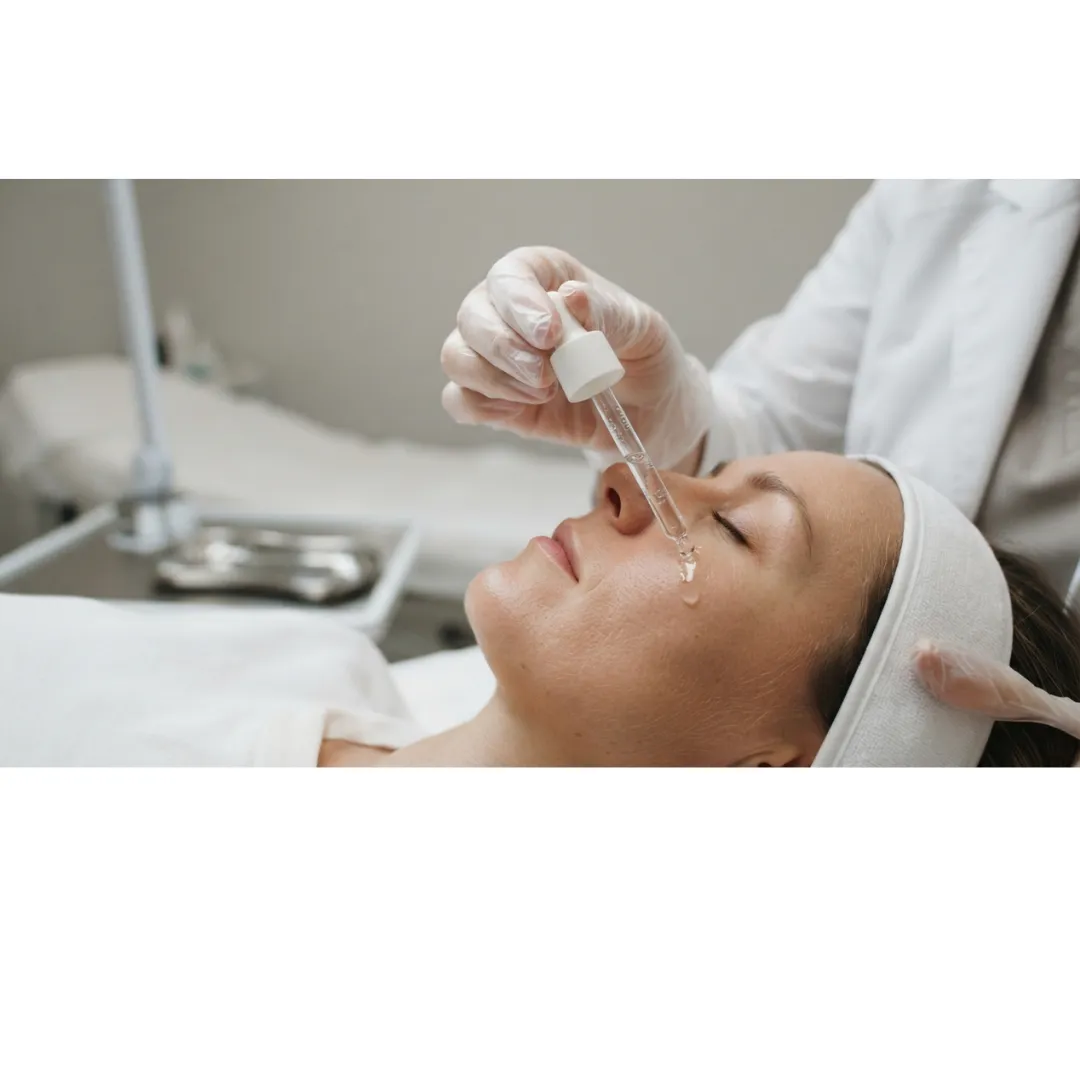
A medical facial treatment is a clinical skin procedure performed by licensed dermatologists or trained aestheticians using medical grade products and devices. Unlike a standard spa facial that focuses on relaxation, this type of treatment targets specific skin conditions such as acne, hyperpigmentation, fine lines, and uneven texture with measurable results.
The key difference lies in the depth of action. A regular facial works on the surface. A medical facial treatment penetrates deeper layers of the skin using chemical peels, microdermabrasion, LED therapy, or prescription strength serums that are not available over the counter.
How It Differs From a Spa Facial
Many people confuse the two. Here is a practical breakdown.
A spa facial typically involves cleansing, steaming, a basic mask, and moisturizer. It feels good and may leave your skin looking fresh for a day or two. But it does not address underlying skin pathology.
A clinical facial, on the other hand, starts with a skin assessment. The practitioner examines your skin under magnification, reviews your medical history, and selects active ingredients based on your specific concerns. The products used contain higher concentrations of retinoids, alpha hydroxy acids, and antioxidants that require professional application.
This is why clinics like Athena Derma structure their facial protocols around individual skin profiles rather than offering a single menu option for everyone.
Clinical Uses and Skin Conditions It Addresses
Medical grade facials are not just for people with severe skin problems. They serve a wide range of clinical purposes.
- Acne and acne scarring: Chemical peels and salicylic acid based extractions reduce active breakouts and fade post inflammatory marks over a series of sessions.
- Hyperpigmentation and melasma: Ingredients like kojic acid, tranexamic acid, and vitamin C at clinical concentrations help break up pigment clusters in the epidermis.
- Fine lines and loss of elasticity: Treatments incorporating peptides, growth factors, and controlled exfoliation stimulate collagen production in the dermal layer.
- Rosacea and sensitive skin: Gentle protocols using anti inflammatory agents and barrier repair compounds calm redness without triggering flare ups.
- Dullness and uneven texture: Microdermabrasion or enzyme peels remove dead cell buildup that makes skin look tired and rough.
Each of these conditions requires a different approach. A one size fits all facial will not produce clinical results.
Who Is a Suitable Candidate
Most adults can benefit from a medical facial treatment, but suitability depends on your current skin condition and medical history.
Good candidates include:
- People dealing with persistent acne that has not responded to over the counter products
- Individuals with sun damage or age spots looking for gradual improvement
- Those preparing for a major event who want their skin to look clear and even
- Patients on a dermatologist recommended skincare routine who want to accelerate progress
You may need to wait or seek medical clearance if you:
- Are currently using isotretinoin or other strong oral medications
- Have active cold sores or open wounds on the face
- Are pregnant or breastfeeding, as certain chemical agents are contraindicated
- Have a history of keloid scarring
A qualified practitioner will screen for these factors before starting any procedure.
What Happens During a Professional Session
A typical session at a clinic like Athena Derma follows a structured process.
First, the aesthetician or dermatologist cleanses your skin and performs a visual and tactile assessment. They may use a Wood's lamp or skin analyzer to identify issues not visible to the naked eye.
Next comes the active treatment phase. Depending on your skin profile, this may involve a chemical peel, dermaplaning, microcurrent stimulation, or a combination of modalities. The practitioner adjusts the strength and duration based on how your skin responds in real time.
The session usually ends with a calming mask, a medical grade sunscreen, and specific aftercare instructions. Most sessions last between 45 and 75 minutes.
Aftercare and What Results to Expect
Results depend on the type of treatment and the condition being addressed.
After a light peel or enzyme facial, you may notice smoother and brighter skin within 24 to 48 hours. Deeper treatments may involve a few days of peeling or redness before the new skin emerges.
For lasting improvement in pigmentation, acne scarring, or fine lines, a series of four to six sessions spaced three to four weeks apart is typically recommended. Maintenance sessions every six to eight weeks help sustain the results.
Your practitioner will also prescribe a home care routine to support the work done in the clinic. Skipping this step is the most common reason patients do not see the results they expect.
Conclusion
A medical facial treatment bridges the gap between basic skincare and dermatological procedures. It uses professional grade ingredients and techniques to address real skin conditions with visible, measurable outcomes. Whether you are dealing with acne, pigmentation, or early signs of aging, a clinical facial performed by a qualified provider can produce results that over the counter products simply cannot match. If you are considering this route, book a consultation with a reputable clinic like Athena Derma to get a protocol tailored to your skin.
FAQs
Q.1 How often should I get a medical facial?
Most skin professionals recommend sessions every three to four weeks for active concerns and every six to eight weeks for maintenance. The exact frequency depends on your skin type and the specific treatment used.
Q.2 Is a medical facial painful?
Most patients experience mild tingling or warmth during chemical peel or microdermabrasion steps. Deeper treatments may cause slight discomfort, but practitioners adjust the intensity to keep it tolerable. Numbing cream is rarely needed.
Q.3 Can I wear makeup after the treatment?
It is generally advised to avoid makeup for at least 12 to 24 hours after the session to let the skin absorb the active ingredients and reduce the risk of irritation or clogged pores.
Q.4 What is the difference between a chemical peel and a medical facial?
A chemical peel is one component that may be included in a medical facial. A full facial session typically combines multiple steps such as cleansing, exfoliation, extraction, and targeted serums, while a peel focuses solely on chemical exfoliation.
Q.5 Are the results permanent?
No single facial provides permanent results. Skin is a living organ affected by sun exposure, hormones, diet, and aging. Consistent treatments and a solid home care routine are necessary to maintain improvements over time.