What Happens If You Grind Your Teeth While Wearing Invisalign?
By ddental
42 Views
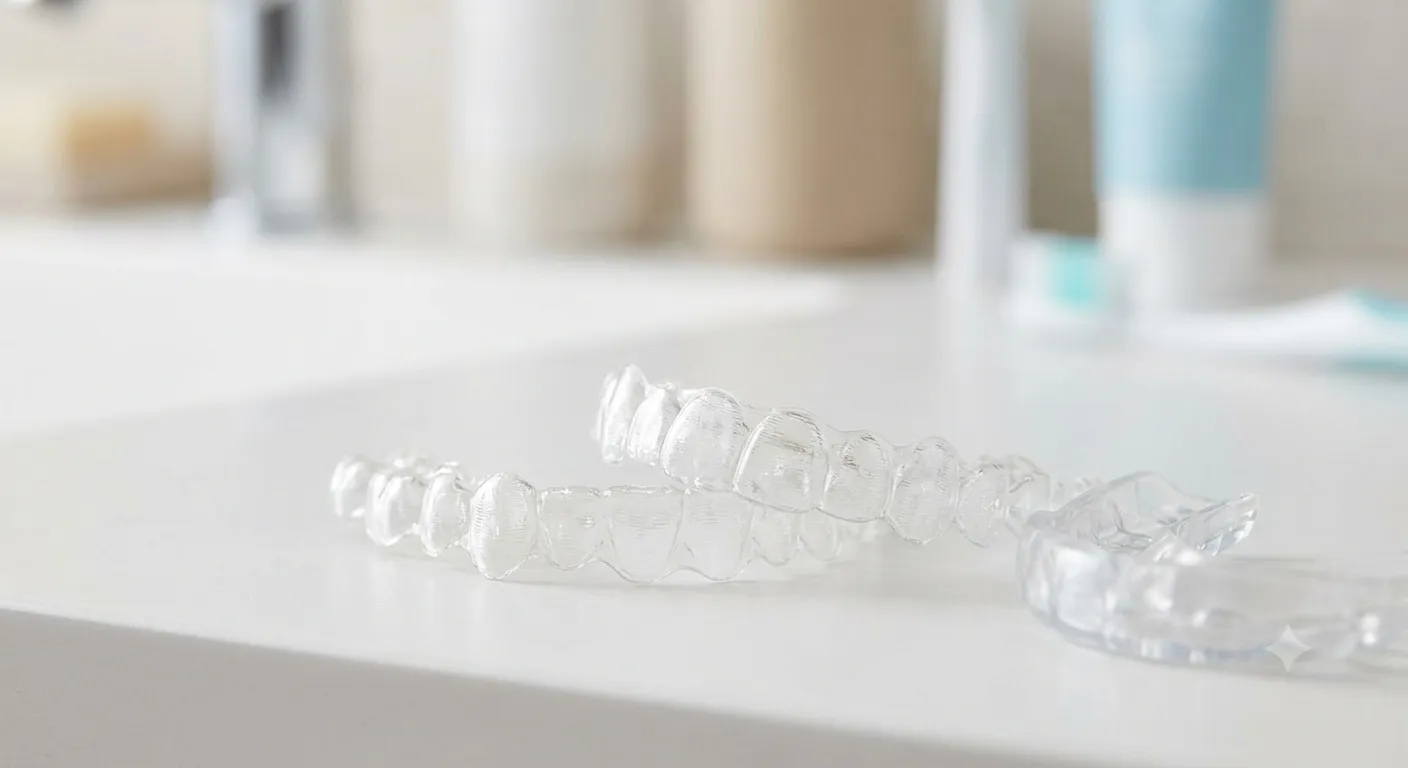
Teeth grinding, also known as bruxism, is a common habit that can happen during sleep or throughout the day. People who grind or clench their teeth may wonder whether this can create problems during orthodontic treatment. Clear aligners are designed to gradually move teeth into better positions, but constant pressure from grinding can place additional stress on both the teeth and the aligners. Understanding how bruxism may affect treatment can help you take appropriate steps to protect your smile.
Increased Wear on the Aligners
One of the most noticeable effects of teeth grinding is increased wear on the aligners. Repeated clenching and grinding can create pressure against the plastic, potentially causing scratches, thinning, or cracks over time. In some cases, an aligner may become damaged before it is time to move on to the next set. If you notice sharp edges, cracks, or changes in the fit, contact your dental professional rather than continuing to wear a damaged aligner.
Tooth Sensitivity and Discomfort
Grinding places significant force on the teeth and surrounding structures. When this happens while wearing clear aligners, some people may experience increased tooth sensitivity or discomfort. Teeth that are already being moved as part of orthodontic treatment may feel more tender when additional pressure is placed on them. Persistent discomfort should be discussed with your dentist or orthodontic provider so they can determine whether adjustments are needed.
Greater Stress on the Jaw
Bruxism does not only affect the teeth. Frequent clenching can also place strain on the jaw muscles and temporomandibular joints. Wearing aligners while grinding may make existing jaw tension more noticeable for some people. Symptoms can include morning jaw soreness, facial discomfort, headaches, or difficulty opening the mouth comfortably. Identifying the cause of these symptoms early can help prevent them from becoming more troublesome.
Possible Damage to Teeth
Long-term grinding can gradually wear down the surfaces of the teeth. It may contribute to small chips, flattened biting surfaces, cracks, or increased sensitivity. Although aligners cover the teeth, they are not designed to eliminate the effects of severe bruxism. Your dental professional can evaluate your teeth and bite to determine how much damage has occurred and whether additional protection or treatment is appropriate.
Can You Continue Orthodontic Treatment?
Having bruxism does not automatically mean you cannot undergo clear-aligner treatment. However, your dentist should know if you regularly grind or clench your teeth. They can assess your bite, tooth condition, and the severity of your grinding before and during treatment. Regular appointments are also important because they allow your provider to check how your teeth and aligners are responding.
Protecting Your Smile During Treatment
If you grind your teeth, follow your provider’s instructions carefully and keep your aligners clean and in good condition. Avoid chewing on hard objects or using your aligners as a substitute for a dedicated night guard unless your dental professional specifically recommends it. Managing contributing factors such as stress and poor sleep habits may also help reduce clenching in some individuals.
If you experience frequent grinding, damaged aligners, tooth sensitivity, or jaw discomfort, speak with your dental professional for personalized guidance. With proper monitoring and care, many people can successfully manage bruxism while working toward a healthier, more balanced smile with Invisalign Treatment.